



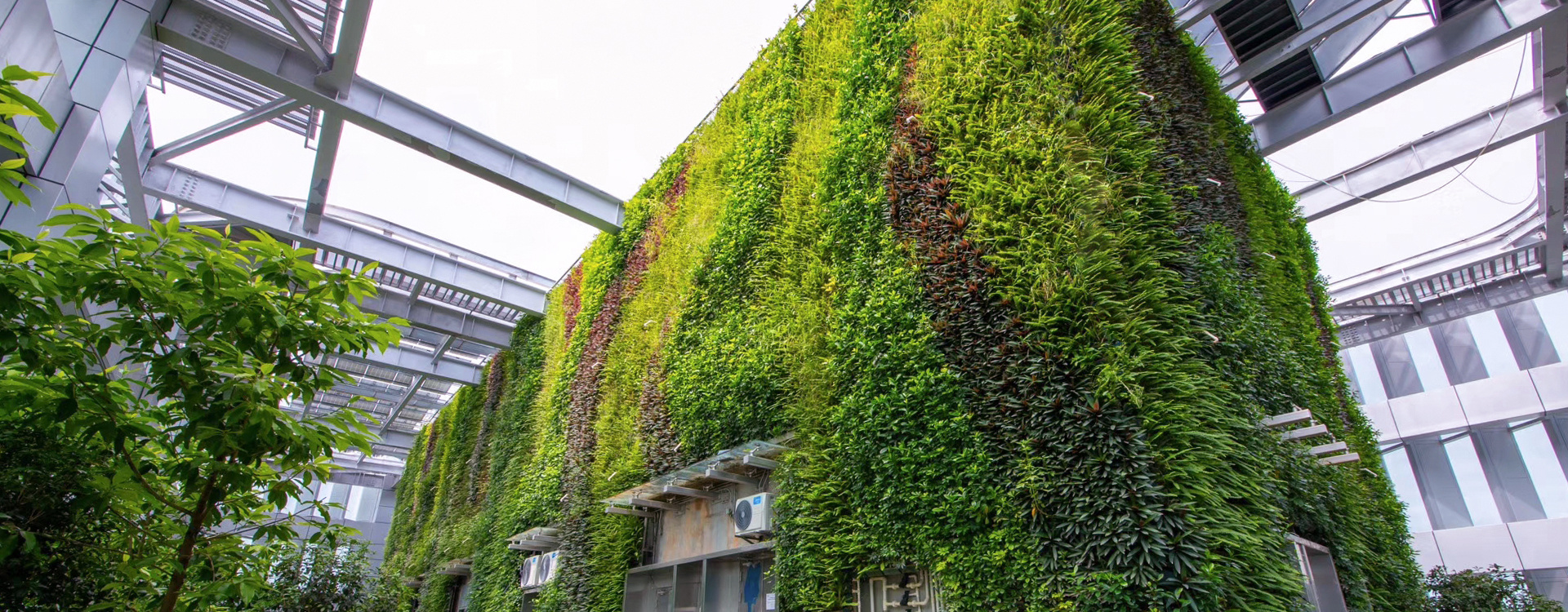
Customized Vertical Hydroponic Systems: The Eco-Friendly Gardening Solution
Release time:
2026-09-08 10:50
Customized Vertical Hydroponic Systems: The Eco-Friendly Gardening Solution
In an increasingly urbanized world, the demand for sustainable food production methods is rising. Customized vertical hydroponic systems offer a revolutionary solution for eco-conscious gardeners and farmers alike. By utilizing limited space and water efficiently, these systems not only help to grow fresh produce but also contribute to environmental sustainability. In this article, we will delve deep into the intricacies of customized vertical hydroponic systems, exploring their benefits, design options, installation processes, and much more.
Table of Contents
- What is Vertical Hydroponics?
- Benefits of Vertical Hydroponic Systems
- How Customized Designs Enhance Efficiency
- Key Components of a Vertical Hydroponic System
- Installation and Setup Guide
- Maintaining Your Vertical Hydroponic System
- Common Challenges and Solutions
- The Future of Vertical Hydroponics
- Frequently Asked Questions
What is Vertical Hydroponics?
Vertical hydroponics is an innovative approach to gardening that enables growers to cultivate plants in a soil-less environment, utilizing nutrient-rich water solutions instead. This method maximizes space by stacking growing structures vertically, making it ideal for urban gardening, where land is often limited. The system is designed to promote healthy plant growth while minimizing resource use, making it a highly sustainable option for food production.
The Principles of Hydroponics
At its core, hydroponics involves delivering nutrients directly to the plant roots through water and mineral solutions. This method bypasses the need for soil, allowing for increased control over growth conditions, including pH levels, nutrient concentrations, and moisture. Vertical hydroponics builds on these principles by incorporating height into the growing area, allowing for more plants to be grown in a smaller footprint.
Benefits of Vertical Hydroponic Systems
Customized vertical hydroponic systems offer a myriad of benefits that make them appealing to both casual gardeners and commercial growers. Here are some of the most significant advantages:
Space Optimization
One of the most compelling features of vertical hydroponics is its ability to maximize space. By utilizing vertical structures, gardeners can grow multiple layers of plants in the same footprint typically dedicated to a single row of traditional gardening. This is particularly beneficial in urban settings where ground space is at a premium.
Water Efficiency
Hydroponic systems are known for their water efficiency. Traditional soil gardening can waste vast amounts of water through evaporation and drainage, whereas hydroponic systems recirculate water, greatly reducing consumption. Customized systems can further optimize water use through precise monitoring and automation.
Higher Yields
Plants grown hydroponically often grow faster and yield more than those grown in soil. With optimal nutrient delivery and environmental conditions, plants can thrive, leading to quicker harvests and higher productivity. This is particularly advantageous for commercial operations looking to maximize profits.
Pest and Disease Control
By eliminating soil, vertical hydroponic systems can reduce the risk of soil-borne pests and diseases. This allows for healthier plants and can lead to lower pesticide use, making the produce safer for consumers and better for the environment.
Year-Round Gardening
Customized vertical hydroponic systems can be designed for indoor or outdoor use, allowing for year-round gardening. By controlling the environment, growers can cultivate various crops regardless of the season or external weather conditions, providing a constant supply of fresh produce.
How Customized Designs Enhance Efficiency
Customization is a key component of effective vertical hydroponic systems. By tailoring the design to specific needs and goals, growers can achieve optimal results. Here’s how customized systems enhance efficiency:
Tailored Nutrient Delivery
Each plant variety has unique nutritional needs. Customized vertical hydroponic systems can incorporate specific nutrient delivery methods and schedules, ensuring that each plant receives exactly what it needs to thrive. This targeted approach maximizes growth and yield.
Adaptive Layouts
The layout of a vertical hydroponic system can be adapted to fit the available space and the types of plants being grown. For instance, some systems may utilize tiered shelves, while others may incorporate modular components that can be rearranged as needed. This flexibility allows for more effective use of space and resources.
Automation and Monitoring
Modern technology enables the integration of automated systems for watering, nutrient delivery, and environmental control. Customized systems can include sensors and monitoring tools that provide real-time data on plant health, water levels, and nutrient concentration, allowing for precise adjustments that improve overall efficiency.
Key Components of a Vertical Hydroponic System
Understanding the essential components of a vertical hydroponic system is crucial for successful implementation. Here are the key elements:
Growing Medium
While hydroponics typically eliminates soil, some systems utilize inert growing mediums like rock wool, coconut coir, or perlite to provide structure and retain moisture around the plant roots. Choosing the right medium is vital for the overall health of the plants.
Nutrient Solution
The nutrient solution is the lifeblood of hydroponics. It should contain the essential macro and micronutrients required for plant growth. Customized systems can be designed to deliver specific nutrient mixes that cater to the needs of different plant types.
Water Delivery System
A reliable water delivery system is essential for maintaining optimal moisture levels in a vertical hydroponic setup. This may include drip irrigation, nutrient film techniques (NFT), or aeroponics, depending on the specific design and plant requirements.
Light Sources
For indoor vertical hydroponic systems, light is a critical factor in plant growth. LED grow lights or fluorescent bulbs can be used to provide the necessary spectrum for photosynthesis. Customized systems can integrate lighting solutions that are energy-efficient and tailored to the types of plants being grown.
Environmental Control Systems
Temperature, humidity, and airflow must be carefully managed in vertical hydroponic systems to create a conducive growing environment. Automated climate control systems can help monitor and adjust these factors for optimal plant health.
Installation and Setup Guide
Setting up a customized vertical hydroponic system requires careful planning and execution. Here’s a step-by-step guide to get you started:
Step 1: Select Your Location
Choosing the right location is crucial. Whether indoors or outdoors, ensure the area receives adequate light and has access to water, electricity, and drainage. Consider factors such as temperature fluctuations and potential obstructions that may affect growth.
Step 2: Design Your System
Based on your space and growing goals, design your vertical hydroponic system. Consider factors such as the types of plants you want to grow, the available space, and whether you will be using a soil-less medium or a more advanced setup with automation.
Step 3: Gather Materials
Purchase the necessary components, including growing mediums, nutrient solutions, water delivery systems, lighting, and environmental controls. Opt for high-quality materials to ensure durability and efficiency.
Step 4: Assemble Your System
Follow your design plan to assemble the vertical hydroponic system. Ensure that all components are securely in place, and check for any leaks in the water delivery system. This step may involve building shelves, installing lighting, and setting up nutrient delivery systems.
Step 5: Test the System
Before introducing plants, test the system to ensure everything is functioning correctly. Monitor water levels, check nutrient concentrations, and verify that environmental controls are working as intended.
Step 6: Introduce Plants
Once the system is operational, introduce your chosen plants. Start with seedlings or clones that are compatible with your growing conditions. Monitor their progress regularly to ensure they adapt well to the hydroponic environment.
Maintaining Your Vertical Hydroponic System
Regular maintenance is essential to keep your vertical hydroponic system functioning optimally. Here are some key maintenance tasks:
Monitoring Nutrient Levels
Regularly check and adjust the nutrient solution to ensure plants receive the necessary elements for growth. Use a pH meter and EC (electrical conductivity) meter to monitor nutrient concentrations, making adjustments as needed.
Cleaning and Sanitation
Cleaning the system is crucial to prevent algae growth and pathogens from affecting plant health. Regularly clean the water delivery system, growing containers, and any surfaces exposed to moisture.
Inspecting Plant Health
Regularly inspect plants for signs of pests, diseases, or nutrient deficiencies. Early detection allows for prompt intervention, ensuring plants remain healthy and productive.
Common Challenges and Solutions
While vertical hydroponic systems offer many advantages, they also come with challenges. Here are some common issues and how to address them:
Algae Growth
Algae can thrive in hydroponic systems, particularly if there is excessive light exposure. To combat this, ensure that growing containers are opaque or use covers to block light. Regular cleaning of surfaces can also reduce algae buildup.
Nutrient Imbalances
Nutrient imbalances can lead to poor plant health. Regularly test nutrient levels and adjust the solution to ensure plants receive the correct balance of nutrients. Be mindful of environmental factors that may affect nutrient uptake.
Pest Infestations
Pests can still find their way into vertical hydroponic systems. Implement preventive measures, such as using insect netting or introducing beneficial insects. If pests are detected, use organic pest control methods to minimize chemical exposure.
The Future of Vertical Hydroponics
The future of vertical hydroponics looks promising as technology continues to evolve. Advances in automation, artificial intelligence, and renewable energy sources are paving the way for more efficient and sustainable growing practices. As urban populations grow and food security becomes a pressing concern, vertical hydroponics will likely play a significant role in meeting the demand for fresh produce.
Frequently Asked Questions
1. Can I grow any plant in a vertical hydroponic system?
While many plants can be grown hydroponically, leafy greens, herbs, and small fruiting plants like strawberries tend to thrive best in vertical systems. Research specific plant requirements to ensure success.
2. How much space do I need for a vertical hydroponic system?
Space requirements vary based on the design and number of plants you wish to grow. Customized systems can be tailored to fit nearly any space, from small balconies to larger indoor gardens.
3. Is vertical hydroponics expensive to set up?
Initial setup costs can vary depending on the complexity of the system and the materials used. However, the long-term savings from reduced water usage and increased yields often outweigh the upfront costs.
4. How often do I need to change the nutrient solution?
It is generally recommended to change the nutrient solution every two to three weeks, depending on plant growth rates and the specific requirements of the crops being grown.
5. Can I automate my vertical hydroponic system?
Yes! Many vertical hydroponic systems can be automated to control watering, nutrient delivery, and environmental conditions. This not only saves time but also ensures optimal growing conditions.
Conclusion
Customized vertical hydroponic systems represent a groundbreaking shift in sustainable gardening practices. By maximizing space, conserving water, and promoting healthier plants, these systems cater to the needs of modern gardeners and commercial growers alike. With proper design, maintenance, and innovation, vertical hydroponics can help usher in a new era of eco-friendly food production. Embracing this technology not only contributes to individual health and wellness but also supports global efforts toward sustainable agriculture. As we move forward, vertical hydroponics will undoubtedly play a vital role in addressing the challenges of food security and environmental sustainability.
customized vertical hydroponic system
Related News
2026-10-20
2026-10-17

Tel : 086-769-28334884
Phone : 086-136-2002-9145
Address : Building C, Xiaqiao Industrial Park, Dongcheng District, Dongguan City, Guangdong Province
Copyright © 2024 Dongguan Mengyuan Environmental Technology Co., Ltd.