



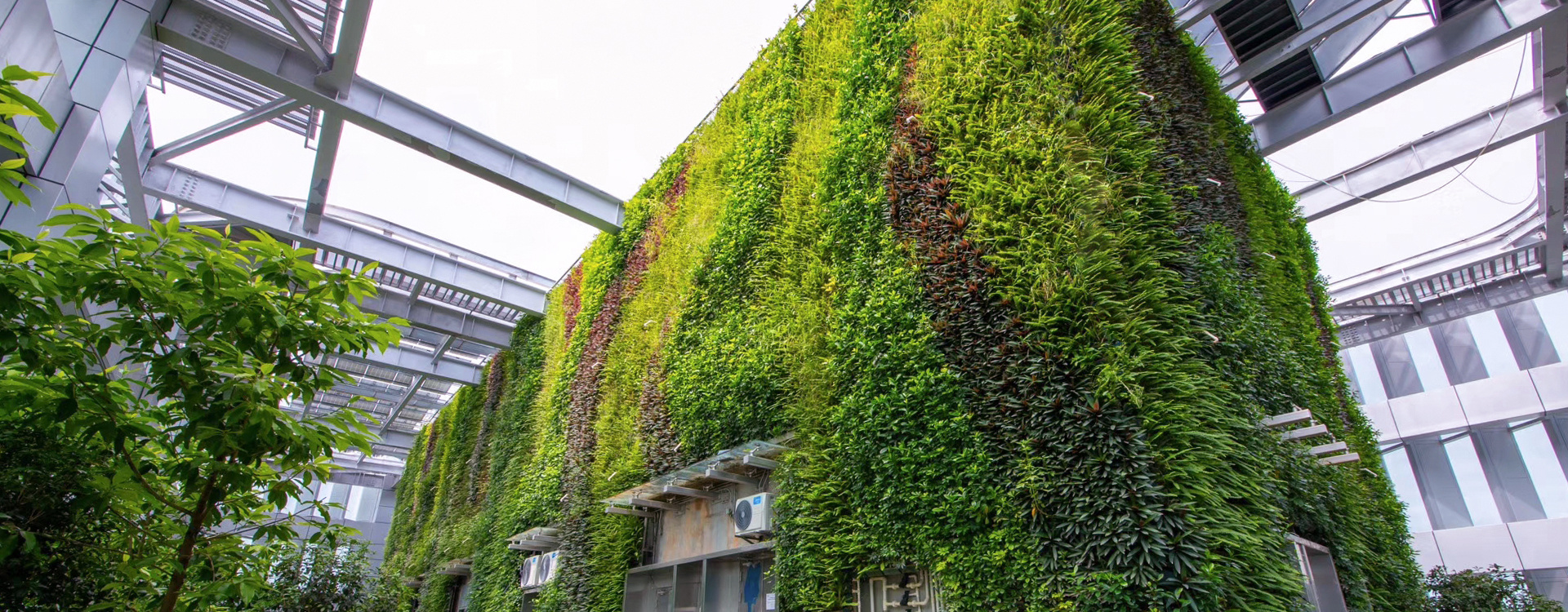
Vertical Wall Garden Planters: A Creative Approach to Urban Gardening
Release time:
2026-09-14 11:30
Vertical Wall Garden Planters: A Creative Approach to Urban Gardening
Urban living often comes with space constraints that can make traditional gardening difficult. However, **vertical wall garden planters** offer a creative and efficient solution for those eager to cultivate their own green oasis in limited spaces. This article dives deep into various aspects of vertical gardening, exploring its benefits, design ideas, maintenance tips, and much more.
Table of Contents
1. What Is a Vertical Wall Garden?
2. Benefits of Vertical Wall Garden Planters
2.1 Maximizing Limited Space
2.2 Enhancing Air Quality
2.3 Promoting Sustainability
3. Types of Vertical Wall Garden Planters
3.1 Pocket Planters
3.2 Modular Panel Systems
3.3 Trellis Systems
4. Choosing the Right Plants for Vertical Gardens
4.1 Herbs and Edibles
4.2 Decorative Foliage
4.3 Drought-Resistant Plants
5. Installation Tips for Vertical Wall Garden Planters
6. Maintenance of Vertical Gardens
7. Creative Design Ideas for Vertical Gardens
8. FAQs about Vertical Wall Garden Planters
9. Conclusion
1. What Is a Vertical Wall Garden?
A **vertical wall garden** is a type of gardening that involves growing plants on vertical surfaces, often using wall-mounted planters or panels. This innovative approach allows urban dwellers to utilize every inch of available space, from small balconies to interior walls. Vertical gardens not only beautify spaces but also offer unique gardening challenges and experiences.
2. Benefits of Vertical Wall Garden Planters
Vertical wall garden planters come with a plethora of benefits that make them an attractive option for urban gardeners.
2.1 Maximizing Limited Space
One of the greatest advantages of vertical gardening is its ability to maximize limited space. By growing plants upwards rather than outwards, urban gardeners can transform bare walls into vibrant green landscapes. This is particularly useful in balconies or small yards where traditional gardening may not be feasible.
2.2 Enhancing Air Quality
Plants are natural air purifiers. Vertical gardens can significantly improve indoor and outdoor air quality by absorbing carbon dioxide and releasing oxygen. Moreover, they can filter toxins and pollutants, contributing to a healthier living environment.
2.3 Promoting Sustainability
Implementing vertical gardens is a step towards sustainable living. They encourage **urban agriculture**, reduce the urban heat island effect, and enhance biodiversity. By growing your own herbs and vegetables, you also reduce the carbon footprint associated with transporting food.
3. Types of Vertical Wall Garden Planters
Various types of vertical wall garden planters cater to different aesthetics and functional needs.
3.1 Pocket Planters
Pocket planters are fabric or felt pockets that can be mounted on walls. They are perfect for small spaces and allow for the growth of various plants, from **herbs** to **flowers**. Their breathable material ensures good drainage and aeration.
3.2 Modular Panel Systems
Modular panels are designed for easy assembly and customization. They often come with built-in irrigation systems, making plant care simpler. These systems allow gardeners to mix and match different plant types, creating a dynamic vertical landscape.
3.3 Trellis Systems
Trellis systems utilize a framework for climbing plants to grow vertically. This method is ideal for **vining plants** like cucumbers or tomatoes, which can take advantage of the upward space. Trellis systems can also add a decorative element to your garden.
4. Choosing the Right Plants for Vertical Gardens
Selecting the appropriate plants is crucial for the success of your vertical garden. Here are some categories to consider:
4.1 Herbs and Edibles
Growing **herbs** such as basil, mint, and thyme is an excellent choice for vertical gardens, especially for those interested in cooking. They are generally easy to maintain and thrive in vertical settings.
4.2 Decorative Foliage
Foliage plants like ferns, ivy, and pothos add greenery without requiring extensive care. They are perfect for indoor vertical gardens and can thrive in low-light conditions.
4.3 Drought-Resistant Plants
For those with less time to dedicate to watering, incorporating **drought-resistant plants** such as succulents or cacti is ideal. These plants require minimal maintenance and can thrive in various conditions.
5. Installation Tips for Vertical Wall Garden Planters
Setting up a vertical wall garden requires careful planning and execution. Here’s a step-by-step guide to ensure successful installation:
1. **Location Selection**: Choose a location that receives adequate sunlight and is easily accessible for maintenance.
2. **Choose the Right Planters**: Depending on the plants you intend to grow, select planters that provide proper drainage and support.
3. **Secure Mounting**: Ensure that wall mountings are securely fastened to prevent any accidents. Use brackets or heavy-duty adhesive for additional support.
4. **Soil Preparation**: Use quality potting mix that retains moisture while allowing good drainage. You can also incorporate slow-release fertilizers for more extended nourishment.
5. **Plant Arrangement**: When planting, arrange taller plants at the bottom and shorter ones at the top for optimal sunlight exposure.
6. Maintenance of Vertical Gardens
Maintaining a vertical garden may seem daunting, but with a structured approach, it becomes an enjoyable task. Here’s what to keep in mind:
- **Watering**: Vertical gardens generally require more frequent watering, especially during hot weather. Consider installing a drip irrigation system for efficiency.
- **Pruning**: Regularly prune your plants to promote growth and prevent overcrowding. This will also help in maintaining the aesthetic appeal of the garden.
- **Fertilizing**: Apply liquid fertilizers every few weeks to ensure your plants receive essential nutrients. Adjust according to plant requirements and growth stages.
- **Pest Control**: Keep an eye out for common pests and diseases. Employ natural pest control methods whenever possible to maintain a healthy ecosystem.
7. Creative Design Ideas for Vertical Gardens
To inspire your vertical gardening journey, here are some creative design ideas:
- **Living Art**: Create a mosaic of plants to form artistic patterns or shapes. Use a variety of colors and textures to make a statement piece.
- **Edible Walls**: Design an edible vertical garden featuring herbs, vegetables, and fruits. This not only adds beauty but also provides fresh produce at your fingertips.
- **Themed Gardens**: Choose a theme for your vertical garden, such as a **mediterranean garden** or a **tropical paradise**, and select plants that fit the theme.
- **Vertical Garden Rooms**: If space permits, create an entire room dedicated to vertical gardening. Use walls, ceilings, and even furniture to support plant growth.
8. FAQs about Vertical Wall Garden Planters
What materials are best for vertical wall planters?
Materials like fabric, wood, or plastic can be great for vertical wall planters. Fabric allows for good drainage, while wooden and plastic ones can be more durable.
How often should I water my vertical garden?
Watering frequency depends on the climate and plant types but generally, vertical gardens require more regular watering than traditional gardens. Check the soil moisture regularly.
Can I grow vegetables in a vertical garden?
Yes, many vegetables can be grown in vertical gardens, especially those that are vine-like, such as tomatoes and cucumbers. Choose the right support for these plants.
How do I prevent pests in my vertical garden?
Regular monitoring, using natural pesticides, and ensuring good airflow can help prevent pest infestations. Keeping plants healthy is key to pest management.
Is a vertical garden suitable for indoors?
Absolutely! Many people successfully grow vertical gardens indoors. Just ensure you select low-light plants and provide adequate lighting if necessary.
9. Conclusion
Vertical wall garden planters present an exciting opportunity for urban dwellers to engage in gardening while maximizing limited space. By understanding the types of planters, selecting the right plants, and following proper installation and maintenance techniques, anyone can cultivate a thriving vertical garden. Not only do these gardens enhance the aesthetic appeal of urban environments, but they also contribute to sustainability and improved air quality. So, whether you're looking to grow herbs for cooking, create a stunning green wall, or simply bring nature into your home, vertical gardening is a solution worth exploring.
vertical wall garden planter factory
preceding page
preceding page
Related News

Tel : 086-769-28334884
Phone : 086-136-2002-9145
Address : Building C, Xiaqiao Industrial Park, Dongcheng District, Dongguan City, Guangdong Province
Copyright © 2024 Dongguan Mengyuan Environmental Technology Co., Ltd.
business license