



The Health Benefits of Growing Your Own Food with Discount Vertical Hydroponics
Release time:
2026-09-20 10:50
The Health Benefits of Growing Your Own Food with Discount Vertical Hydroponics
Table of Contents
- 1. Introduction to Vertical Hydroponics
- 2. Health Benefits of Growing Your Own Food
- 3. Environmental Impact of Vertical Hydroponics
- 4. Cost-Effectiveness of Discount Vertical Hydroponics
- 5. Space-Saving Solutions for Urban Gardening
- 6. Practical Tips for Starting Your Hydroponic Garden
- 7. Frequently Asked Questions (FAQs)
- 8. Conclusion
1. Introduction to Vertical Hydroponics
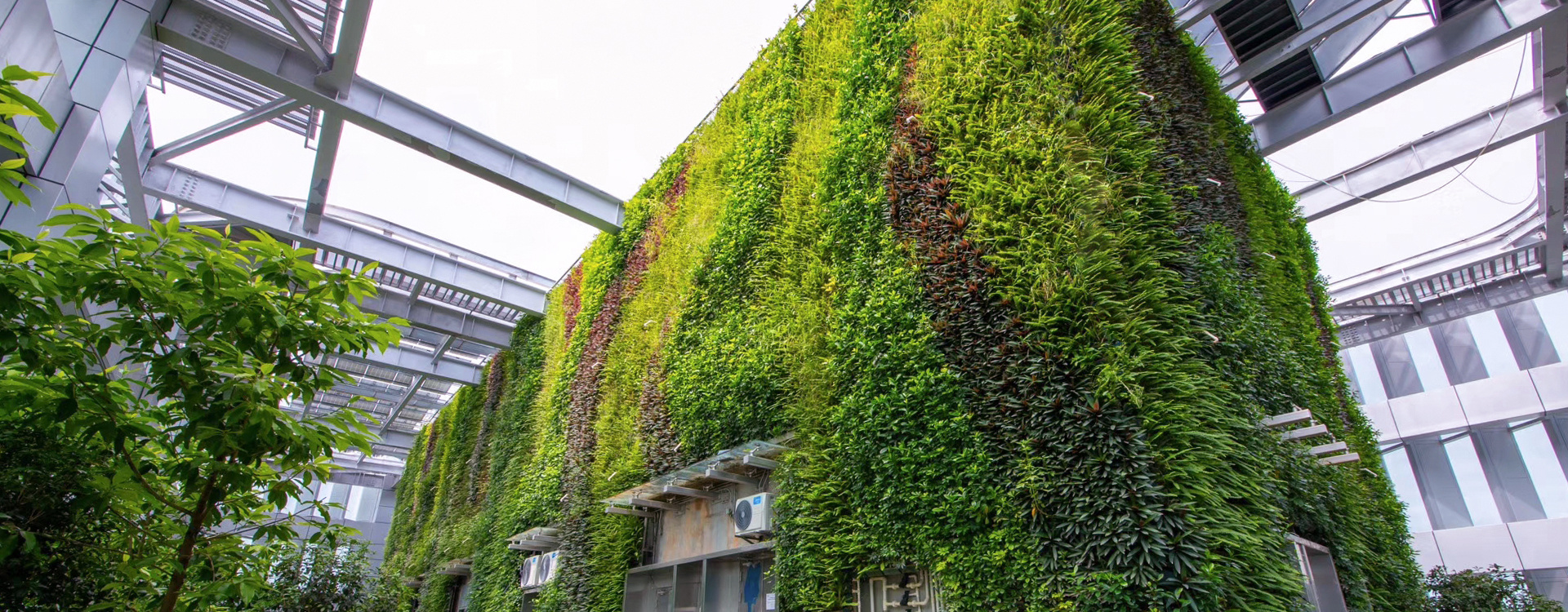
As urbanization increases, many individuals are seeking innovative methods to grow their own food. **Vertical hydroponics** is emerging as a favored solution. This method involves growing plants in stacked layers, often utilizing nutrient-rich water instead of soil. With discount vertical hydroponics, homeowners have access to affordable systems that allow them to cultivate fresh produce, regardless of their living space.
Growing your own food not only fosters a connection with nature but also boosts physical and mental well-being. In this article, we will delve into the **health benefits of growing your own food**, particularly focusing on the advantages of **discount vertical hydroponics**.
2. Health Benefits of Growing Your Own Food
The decision to grow your own food offers a multitude of health benefits. By cultivating your produce, you gain access to fresh, nutritious options that can significantly enhance your overall well-being.
2.1 Nutritional Advantages of Homegrown Produce
Homegrown fruits and vegetables are packed with essential vitamins, minerals, and antioxidants. Unlike store-bought produce, which may lose nutrients during transportation and storage, freshly harvested foods retain their nutritional value.
For instance, leafy greens such as kale and spinach are rich in vitamins A, C, and K, while homegrown tomatoes are an excellent source of lycopene, an antioxidant linked to various health benefits, including reduced risk of heart disease. By integrating these nutrient-dense foods into your diet, you can enhance your overall health and well-being.
2.2 Chemical-Free Food Production
One of the most significant advantages of growing your own food is the ability to control what goes into your plants. With **discount vertical hydroponics**, you can choose to cultivate your crops without harmful pesticides or fertilizers. This chemical-free approach ensures that you are consuming food that is safe and healthy for your body.
Moreover, being aware of the growing process instills a sense of confidence in your food sources, leading to healthier eating habits. The knowledge that you are feeding yourself and your family fresh, untainted produce contributes positively to mental health and peace of mind.
3. Environmental Impact of Vertical Hydroponics
In addition to personal health benefits, growing food through **vertical hydroponics** has a positive environmental impact. This method uses significantly less water than traditional farming, making it a sustainable option for urban gardeners.
Furthermore, vertical hydroponics reduces the need for pesticides and herbicides, promoting a healthier ecosystem. As you cultivate your garden, you contribute to reducing your carbon footprint, making a positive impact on the environment.
4. Cost-Effectiveness of Discount Vertical Hydroponics
Investing in a **discount vertical hydroponics** system is cost-effective in the long run. Although the initial cost might seem daunting, the savings accrued from buying groceries can quickly offset the expenses.
Consider the cost of purchasing organic produce at your local grocery store. By growing your crops, you can enjoy fresh vegetables and fruits at a fraction of the price. Additionally, many hydroponic systems require minimal maintenance, reducing ongoing costs related to gardening.
5. Space-Saving Solutions for Urban Gardening
One of the remarkable features of vertical hydroponics is its ability to maximize space. For those living in urban environments with limited gardening space, vertical systems are an ideal solution.
By stacking plants, you can grow a variety of crops in a small area, transforming balconies, patios, or even indoor spaces into vibrant gardens. This space-saving approach ensures that anyone, regardless of their living situation, can engage in growing their own food.
6. Practical Tips for Starting Your Hydroponic Garden
If you're interested in embarking on your vertical hydroponics journey, here are some practical tips to get you started.
6.1 Choosing the Right Equipment
Selecting the right hydroponic system is crucial for success. Look for systems that fit your available space and budget. Many affordable options are available, from simple DIY setups to pre-made kits. Ensure that your chosen equipment includes high-quality grow lights, a reliable water circulation system, and nutrient solutions.
6.2 Selecting the Best Crops for Hydroponics
Not all plants thrive in hydroponic systems. Leafy greens, herbs, and small fruits are typically the best candidates for vertical hydroponics. Consider starting with crops like lettuce, basil, or strawberries, as they are relatively easy to grow and yield quick results.
As you gain experience, you can experiment with more complex crops, expanding your gardening repertoire.
7. Frequently Asked Questions (FAQs)
Q1: What is vertical hydroponics?
A1: Vertical hydroponics is a method of growing plants in stacked layers, utilizing nutrient-rich water instead of soil.
Q2: Is growing food at home cost-effective?
A2: Yes, growing your own food can save you money on groceries, particularly if you choose to cultivate organic produce.
Q3: Can I grow my food indoors using vertical hydroponics?
A3: Absolutely! Vertical hydroponics is ideal for indoor gardening, allowing you to cultivate crops in limited space.
Q4: What are the best crops for vertical hydroponics?
A4: Leafy greens, herbs, and small fruits like strawberries and cherry tomatoes are excellent choices for hydroponic systems.
Q5: How much water does vertical hydroponics use?
A5: Vertical hydroponics typically uses significantly less water than traditional farming, making it a sustainable option.
8. Conclusion
Growing your own food using **discount vertical hydroponics** offers a wealth of health benefits. From improved nutrition to eco-friendly practices, the advantages are numerous. By investing in this efficient growing method, you can enjoy fresh produce while contributing positively to your well-being and the environment.
Embrace the opportunity to cultivate your food and reap the many rewards it provides. Whether you are looking to enhance your diet, engage in sustainable practices, or simply enjoy the satisfaction of growing your own produce, vertical hydroponics is a fulfilling choice. Start your journey today and experience the transformative effects of homegrown food!
Discount vertical hydroponic system
preceding page
preceding page
Related News

Tel : 086-769-28334884
Phone : 086-136-2002-9145
Address : Building C, Xiaqiao Industrial Park, Dongcheng District, Dongguan City, Guangdong Province
Copyright © 2024 Dongguan Mengyuan Environmental Technology Co., Ltd.
business license