



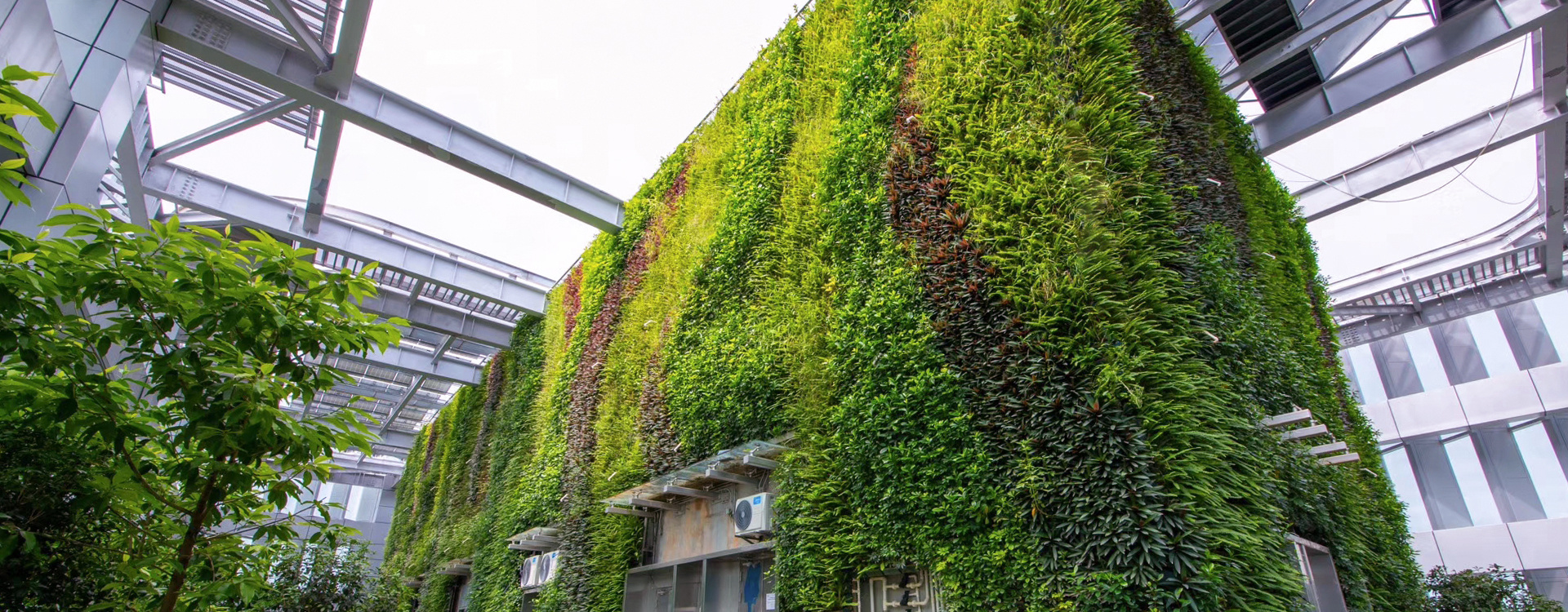
Creating a Thriving Indoor Garden: The Benefits of Discount Vertical Hydroponics
Release time:
2025-11-18 11:40
Creating a Thriving Indoor Garden: The Benefits of Discount Vertical Hydroponics
Table of Contents
1. Understanding Vertical Hydroponics
2. The Importance of Indoor Gardening
3. Discount Vertical Hydroponics: What You Need to Know
3.1. How Vertical Hydroponics Works
3.2. Types of Vertical Hydroponic Systems
4. Benefits of Using Discount Vertical Hydroponics
4.1. Space Efficiency
4.2. Faster Growth Rates
4.3. Reduced Water Usage
4.4. Year-Round Harvesting
4.5. Cost-Effective Gardening
5. Setting Up Your Vertical Hydroponic Garden
5.1. Choosing the Right Location
5.2. Selecting the Right Plants
5.3. Essential Equipment and Tools
6. Maintenance Tips for Hydroponic Systems
7. Common Mistakes to Avoid in Indoor Hydroponics
8. FAQs About Vertical Hydroponics
9. Conclusion
1. Understanding Vertical Hydroponics
Vertical hydroponics is a cutting-edge gardening method that allows plants to grow in a soil-less environment. By using nutrient-rich water solutions and innovative stacking techniques, this system maximizes space and ensures that every plant gets the light and nutrients it needs to thrive. This method is perfect for indoor gardening enthusiasts who wish to cultivate fresh herbs, vegetables, and fruits without the limitations of traditional gardening.
2. The Importance of Indoor Gardening
Indoor gardening has gained popularity for its multiple benefits, including improved air quality, stress reduction, and the ability to grow organic produce right at home. With increasing urbanization and limited outdoor space, creating an indoor garden is an ideal solution for city dwellers. It not only beautifies living spaces but also contributes to a sustainable lifestyle.
3. Discount Vertical Hydroponics: What You Need to Know
3.1. How Vertical Hydroponics Works
Vertical hydroponic systems use a combination of vertical structure and hydroponic techniques, allowing plants to grow upwards rather than outwards. This setup utilizes gravity to circulate water and nutrients through the roots, ensuring optimal growth. By stacking plants vertically, gardeners can maximize their yield in minimal space.
3.2. Types of Vertical Hydroponic Systems
There are various types of vertical hydroponic systems, including nutrient film technique (NFT), aeroponics, and vertical tower gardens. Each system has its advantages, and selecting the right one depends on the available space, budget, and the types of plants you wish to grow.
4. Benefits of Using Discount Vertical Hydroponics
Discount vertical hydroponics not only offers economic advantages but also provides a range of benefits that enhance the indoor gardening experience.
4.1. Space Efficiency
One of the most significant advantages of vertical hydroponics is its space efficiency. By growing plants vertically, you can cultivate more crops in a smaller footprint, making it ideal for apartments or limited spaces.
4.2. Faster Growth Rates
Plants grown in hydroponic systems often experience faster growth rates compared to traditional gardening methods. The constant supply of nutrients and optimal sunlight exposure speeds up photosynthesis, leading to quicker harvests.
4.3. Reduced Water Usage
Hydroponic systems use significantly less water than conventional soil gardening. The recycling of water in these systems minimizes waste and conserves this precious resource, making it an environmentally friendly option.
4.4. Year-Round Harvesting
With indoor vertical hydroponics, gardeners can enjoy year-round harvesting regardless of the weather conditions outside. This continuous production allows for a steady supply of fresh produce, enhancing your culinary options.
4.5. Cost-Effective Gardening
Discount vertical hydroponic systems provide an affordable way to grow food at home. By reducing dependency on store-bought produce, you can save money while enjoying fresh, organic vegetables and herbs.
5. Setting Up Your Vertical Hydroponic Garden
Starting your vertical hydroponic garden involves careful planning and execution.
5.1. Choosing the Right Location
Select a location that receives ample natural light or consider supplementing with grow lights. Ensure the area has easy access to water and electricity to support your hydroponic system.
5.2. Selecting the Right Plants
Choose plants that thrive in hydroponic conditions. Leafy greens, herbs like basil and mint, and small fruiting plants such as strawberries are excellent choices for beginners.
5.3. Essential Equipment and Tools
Invest in essential equipment, including growing trays, pumps, nutrient solutions, and grow lights. Many discount hydroponics kits provide all the necessary components for an effective setup.
6. Maintenance Tips for Hydroponic Systems
Regular maintenance is crucial for a thriving hydroponic garden. Monitor nutrient levels, check pH balances, and ensure that the water supply is clean and free of contaminants. Regularly inspect plants for pests and diseases, and replace any dead or diseased plants promptly.
7. Common Mistakes to Avoid in Indoor Hydroponics
Avoid over-fertilizing, as this can lead to nutrient burn and damage your plants. Ensure proper air circulation to prevent mold and mildew, and don't overlook the importance of light; inadequate lighting can stunt plant growth. By being mindful of these common pitfalls, you can ensure a successful hydroponic gardening experience.
8. FAQs About Vertical Hydroponics
1. What is the cost of setting up a vertical hydroponic system?
The cost can vary based on the type of system and the equipment you choose. However, many budget-friendly options are available that can be set up for under $100.
2. How much space do I need for a vertical hydroponic garden?
You can set up a vertical hydroponic garden in as little as a few square feet. The vertical nature of the system allows for maximum plant growth in minimal space.
3. What types of plants are best suited for hydroponics?
Leafy greens, herbs, and small fruiting plants are ideal for hydroponic systems. Plants that require less space and have shorter growth cycles perform best.
4. How often should I change the water in my hydroponic system?
It's recommended to change the water every two weeks to maintain nutrient levels and prevent algae growth.
5. Can I use tap water in my hydroponic system?
Tap water can be used, but it's essential to check the pH and nutrient levels. If possible, use filtered or distilled water for the best results.
9. Conclusion
Creating a thriving indoor garden using discount vertical hydroponics presents an innovative and efficient way to enjoy fresh produce all year round. This method not only optimizes space but also enhances the growth potential of your plants while being cost-effective. By understanding the benefits and best practices of vertical hydroponics, you can cultivate a lush, sustainable indoor garden that enriches your life and living space. Embrace the future of gardening and transform your home into a green oasis with the power of vertical hydroponics.
Discount vertical hydroponic system
Related News
2026-02-23

Tel : 086-769-28334884
Phone : 086-136-2002-9145
Address : Building C, Xiaqiao Industrial Park, Dongcheng District, Dongguan City, Guangdong Province
Copyright © 2024 Dongguan Mengyuan Environmental Technology Co., Ltd.
business license