



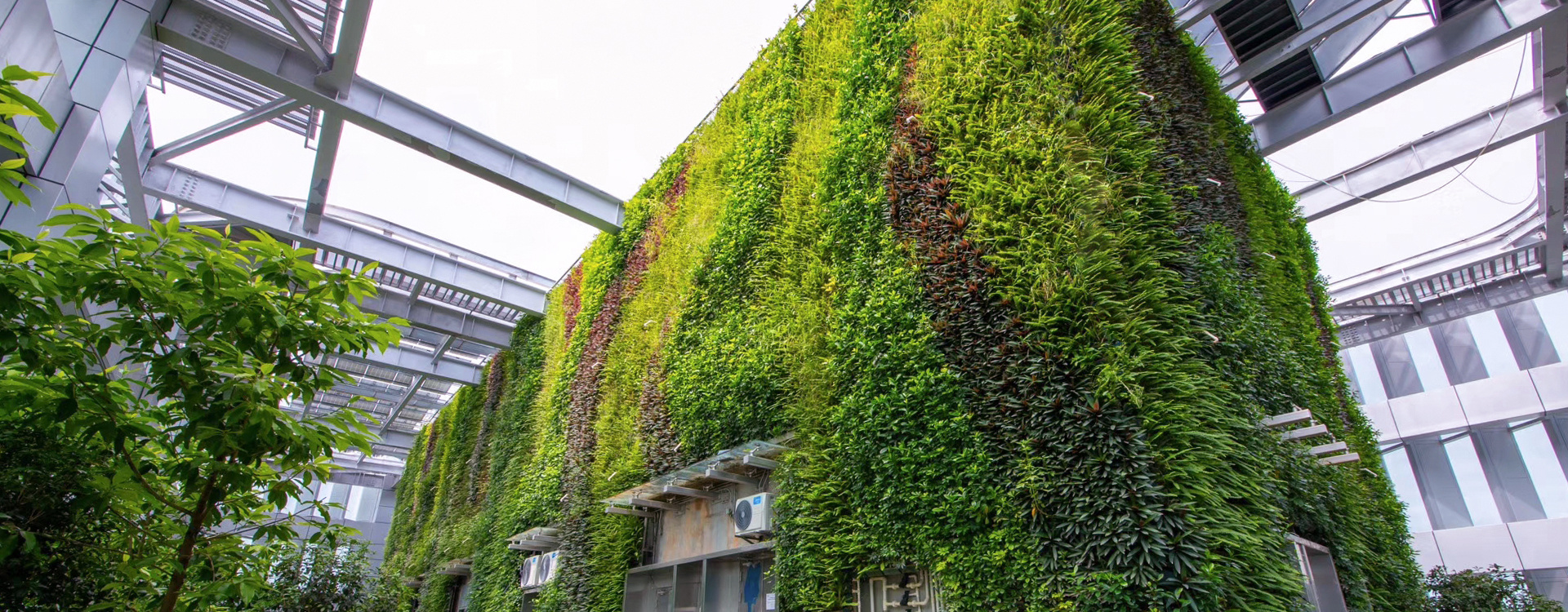
Step-by-Step Guide to Setting Up Your Customized Vertical Hydroponic System
Release time:
2025-12-08 11:10
Step-by-Step Guide to Setting Up Your Customized Vertical Hydroponic System
Table of Contents
- Introduction to Vertical Hydroponics
- Benefits of Vertical Hydroponic Systems
- Essential Components of a Vertical Hydroponic System
- Designing Your Customized Vertical Hydroponic System
- Step-by-Step Setup Process
- Maintenance Tips for Your Vertical Hydroponic System
- Common Issues and Troubleshooting
- Frequently Asked Questions
- Conclusion
Introduction to Vertical Hydroponics
Vertical hydroponics is a revolutionary farming technique that allows you to grow plants without soil, utilizing nutrient-rich water instead. This method is particularly advantageous in urban environments where space is limited. By stacking plants vertically, gardeners can maximize their growing area, making it possible to cultivate a wide variety of crops in a small footprint. In this guide, we will walk you through the process of setting up your very own customized vertical hydroponic system, regardless of your gardening experience.
Benefits of Vertical Hydroponic Systems
The benefits of a vertical hydroponic system extend far beyond just saving space. Here are some of the most compelling advantages:
1. Space Efficiency
Vertical systems allow you to grow more plants in a smaller area. By utilizing vertical space, you can increase your yield dramatically compared to traditional gardening methods.
2. Water Conservation
Hydroponics systems use significantly less water than soil-based gardening. The water is recirculated, reducing waste and promoting sustainability.
3. Faster Growth Rates
Plants grown in hydroponic systems often mature faster than those in soil. The direct access to nutrients promotes faster growth, allowing for quicker harvests.
4. Pest and Disease Management
Pests and diseases are easier to manage in a controlled environment. Without soil, many common soil-borne pests are eliminated, reducing the need for chemical pesticides.
5. Year-Round Cultivation
With the right setup, you can grow crops year-round, independent of seasonal changes. This is particularly beneficial for those living in regions with harsh climates.
Essential Components of a Vertical Hydroponic System
To successfully set up your vertical hydroponic system, you will need several key components:
1. Grow Lights
In areas with limited natural light, grow lights are essential. LED grow lights are popular due to their energy efficiency and spectrum customization. Ensure you choose lights that mimic natural sunlight to promote healthy plant growth.
2. Water Pump
The water pump circulates the nutrient solution through the system. It’s crucial to select a pump that’s powerful enough to ensure adequate flow but not so powerful that it overwhelms the plants.
3. Nutrient Solutions
Hydroponic plants rely on nutrient solutions to thrive. These solutions must contain a balanced mix of essential nutrients, including nitrogen, phosphorus, potassium, and trace elements.
4. Growing Media
While hydroponics does not use soil, you will need a growing medium to anchor the plants. Common mediums include rock wool, coconut coir, and clay pellets. Choose one that retains moisture yet allows for proper drainage.
Designing Your Customized Vertical Hydroponic System
Once you have your components, it’s time to design your system. Consider the following factors:
1. Layout and Space Consideration
Determine how much space you have available and how many plants you wish to grow. Sketch a layout that optimizes vertical space while ensuring easy access for maintenance and harvesting.
2. Choosing Vertical Gardening Structures
There are various structures you can use for vertical gardening, such as towers, racks, or wall-mounted systems. Select a structure that suits your available space and aesthetic preferences.
Step-by-Step Setup Process
Now that you have your components and design in place, follow these steps to set up your vertical hydroponic system:
1. Preparation and Planning
Before assembling your system, gather all materials and tools. Ensure your growing area is clean and has easy access to water and electricity.
2. Installation of Components
- **Assemble your vertical structure**: Follow the manufacturer’s instructions for assembling your chosen vertical gardening structure.
- **Install grow lights**: Mount grow lights at the appropriate height above the plants to ensure even light distribution.
- **Set up the water pump**: Connect the water pump to the reservoir and ensure it is securely positioned for optimal circulation.
- **Add the growing medium**: Fill your planting containers with the chosen growing medium, ensuring it is evenly distributed.
3. Testing the System
Once your system is assembled, it’s time to test it. Fill the reservoir with water and add the nutrient solution according to the manufacturer’s instructions. Run the pump to ensure proper circulation, checking for leaks and making adjustments as needed.
Maintenance Tips for Your Vertical Hydroponic System
Maintaining your vertical hydroponic system is crucial for healthy plant growth:
1. Regular Monitoring
Check pH and nutrient levels regularly to ensure optimal growing conditions. Adjust as needed to keep levels in the ideal range.
2. Cleaning the System
Regularly clean your reservoir, pump, and growing containers to prevent algae and pathogen buildup.
3. Pruning and Harvesting
Regularly prune your plants to promote airflow and reduce competition for light. Harvest crops when they reach maturity for the best flavor and nutrition.
Common Issues and Troubleshooting
Even with careful setup, problems can occur. Here are some common issues:
1. Nutrient Deficiencies
Signs include yellowing leaves or stunted growth. Adjust nutrient concentrations and ensure proper pH levels.
2. Algae Growth
Algae can indicate too much light exposure or stagnant water. Reduce light intensity and ensure your system circulates water effectively.
3. Pest Infestations
Monitor for pests such as aphids or spider mites. Use organic insecticidal soap as needed and maintain cleanliness to deter infestations.
Frequently Asked Questions
1. Can I use any type of plant in a vertical hydroponic system?
While many plants thrive in hydroponic systems, leafy greens and herbs tend to perform best. However, with the right setup, fruiting plants can also grow successfully.
2. How often should I change the nutrient solution?
It’s recommended to change the nutrient solution every two to three weeks, depending on the size of your reservoir and the number of plants.
3. Is it difficult to set up a vertical hydroponic system?
With careful planning and following guidelines, most beginners can successfully set up a vertical hydroponic system. It’s a learning experience, but very rewarding.
4. What is the best light schedule for hydroponic plants?
Most plants benefit from 12 to 16 hours of light per day. Adjust based on the specific needs of the plants you are growing.
5. How do I know if my plants are getting enough nutrients?
Healthy plants will have vibrant foliage and strong growth. Yellowing leaves or stunted growth can indicate nutrient deficiencies or imbalances.
Conclusion
Setting up a customized vertical hydroponic system can be a fulfilling endeavor, providing fresh produce and enhancing your gardening skills. By following this step-by-step guide and understanding the essential components, you can create a thriving garden that fits within your space constraints. Embrace the benefits of hydroponics, and enjoy the rewards of home-grown crops all year long. With careful attention to maintenance and troubleshooting, your vertical hydroponic system will flourish, offering a sustainable and efficient way to cultivate plants.
customized vertical hydroponic system
Related News
2026-02-23

Tel : 086-769-28334884
Phone : 086-136-2002-9145
Address : Building C, Xiaqiao Industrial Park, Dongcheng District, Dongguan City, Guangdong Province
Copyright © 2024 Dongguan Mengyuan Environmental Technology Co., Ltd.
business license