



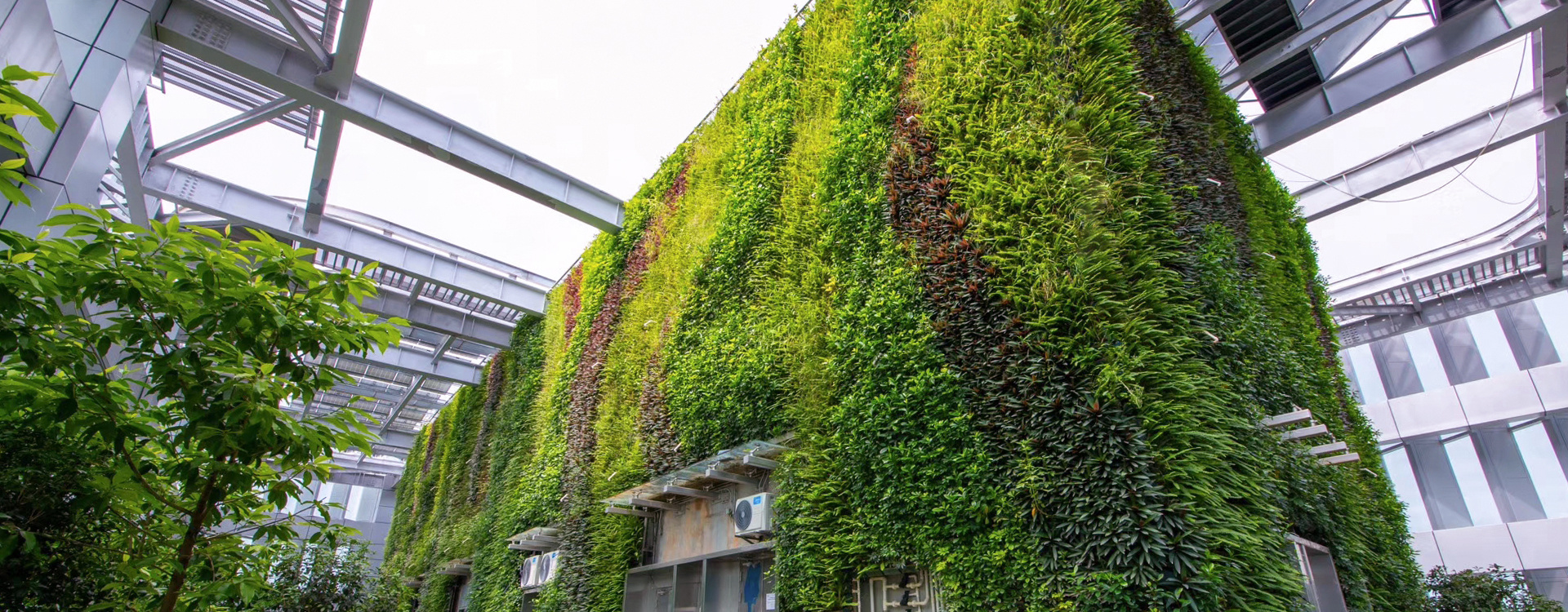
How a Customized Vertical Hydroponic System Boosts Your Urban Gardening Efforts
Release time:
2025-02-26 12:40
How a Customized Vertical Hydroponic System Boosts Your Urban Gardening Efforts
Table of Contents
1. Introduction to Urban Gardening and Hydroponics
2. The Benefits of Vertical Hydroponic Systems
2.1 Space Efficiency and Maximized Yields
2.2 Water Conservation and Sustainability
2.3 Accessibility and Ease of Maintenance
3. Understanding Customized Vertical Hydroponic Systems
3.1 Components of a Customized System
3.2 Choosing the Right Design for Your Space
4. Setting Up Your Customized Vertical Hydroponic System
4.1 Ideal Locations for Installation
4.2 Essential Tools and Materials
5. Optimal Plant Selection for Vertical Hydroponics
5.1 Best Crops for Vertical Systems
5.2 Companion Planting Strategies
6. Maintenance and Care for Your Hydroponic Garden
6.1 Regular Monitoring and Nutrient Management
6.2 Troubleshooting Common Issues
7. Conclusion
8. Frequently Asked Questions (FAQs)
1. Introduction to Urban Gardening and Hydroponics
Urban gardening has surged in popularity as city dwellers seek innovative methods to grow their own food in limited spaces. Hydroponics, a method of growing plants without soil, has emerged as a game-changer for urban gardeners. Combining the principles of hydroponics with vertical gardening techniques leads to the creation of customized vertical hydroponic systems, allowing gardeners to maximize their yield in a compact footprint. This article delves into how these systems can enhance your urban gardening efforts.
2. The Benefits of Vertical Hydroponic Systems
Vertical hydroponic systems provide numerous advantages that are particularly beneficial in urban environments.
2.1 Space Efficiency and Maximized Yields
One of the primary benefits of a vertical hydroponic system is its ability to utilize vertical space effectively. In urban settings where ground space is limited, vertical systems can stack plants in layers, significantly increasing the number of plants grown per square foot. This increases overall yield, making it possible to produce more food in less space.
2.2 Water Conservation and Sustainability
Vertical hydroponic systems are designed to use water more efficiently compared to traditional gardening. Water circulates through the system, reducing waste and minimizing the need for frequent watering. This water conservation method makes hydroponics a sustainable choice for urban gardening, especially in areas facing water scarcity.
2.3 Accessibility and Ease of Maintenance
Customized vertical systems can be designed to be more accessible, making it easier for gardeners of all ages and abilities to tend to their plants. By placing plants at eye level, the need for bending and kneeling is reduced, thereby improving the gardening experience and making maintenance tasks straightforward.
3. Understanding Customized Vertical Hydroponic Systems
To reap the full benefits of vertical hydroponics, it is important to understand the key components and how to customize a system to suit specific needs.
3.1 Components of a Customized System
A typical vertical hydroponic system includes several key components:
- **Growing trays or containers**: These hold the plants and growing medium.
- **Water reservoir**: This holds the nutrient-rich water solution.
- **Pump system**: This circulates water from the reservoir to the plants.
- **Lighting**: Necessary for indoor setups or low-light conditions.
- **Nutrient delivery system**: Ensures that plants receive the necessary nutrients for growth.
3.2 Choosing the Right Design for Your Space
Customization means tailoring the system to fit your specific environment. Options include freestanding towers, wall-mounted systems, or even repurposed furniture. Consider factors such as sunlight exposure, available space, and your personal aesthetic when designing your vertical hydroponic garden.
4. Setting Up Your Customized Vertical Hydroponic System
Setting up an efficient vertical hydroponic system requires careful planning and execution.
4.1 Ideal Locations for Installation
Choose a location that receives adequate sunlight or is equipped for artificial lighting. Windowsills, balconies, and patios are excellent choices. If indoors, ensure you have access to electrical outlets for pumps and lights.
4.2 Essential Tools and Materials
Gather the necessary tools and materials, including:
- PVC pipes or containers for the growing system
- Water pumps and tubing
- A timer for water cycles
- Nutrient solutions specifically formulated for hydroponics
- pH testing kits to monitor water quality.
5. Optimal Plant Selection for Vertical Hydroponics
Selecting the right plants is crucial for a successful vertical hydroponic garden.
5.1 Best Crops for Vertical Systems
Leafy greens such as lettuce, spinach, and kale thrive in hydroponic systems due to their relatively short growth cycles and minimal space requirements. Herbs like basil and mint also perform well, adding flavor to your urban garden.
5.2 Companion Planting Strategies
Utilizing companion planting can enhance growth and deter pests. For example, pairing tomatoes with basil can improve flavor and growth while repelling harmful insects.
6. Maintenance and Care for Your Hydroponic Garden
Proper maintenance ensures your vertical hydroponic system remains healthy and productive.
6.1 Regular Monitoring and Nutrient Management
Regularly check the pH levels and nutrient concentration in the water. Maintaining optimal conditions will lead to healthier plants and higher yields.
6.2 Troubleshooting Common Issues
Be prepared to tackle common issues such as algae growth or nutrient deficiency. Regularly inspect your system and plants, and adjust your approach as needed to address these challenges effectively.
7. Conclusion
A customized vertical hydroponic system can significantly enhance your urban gardening efforts. By optimizing space, conserving water, and making maintenance more manageable, these systems empower urban gardeners to grow fresh produce right at home. By understanding the components, setting up correctly, and choosing the right plants, anyone can transform their urban gardening experience.
8. Frequently Asked Questions (FAQs)
1. What is a vertical hydroponic system?
A vertical hydroponic system is an innovative method of growing plants in a stacked arrangement, using nutrient-rich water instead of soil.
2. How much space do I need for a vertical hydroponic system?
The space required varies depending on the design, but vertical systems are ideal for small areas, such as balconies or kitchen corners.
3. Can I use a vertical hydroponic system indoors?
Yes, vertical hydroponic systems can be set up indoors, provided there is adequate lighting and ventilation.
4. What plants grow best in vertical hydroponics?
Leafy greens, herbs, and some small fruiting plants like strawberries are excellent choices for vertical hydroponics.
5. How often should I change the water in my hydroponic system?
It is recommended to change the water every two weeks to maintain nutrient levels and prevent stagnation.
customized vertical hydroponic system
Related News
2026-10-08
2026-10-05
2026-10-02

Tel : 086-769-28334884
Phone : 086-136-2002-9145
Address : Building C, Xiaqiao Industrial Park, Dongcheng District, Dongguan City, Guangdong Province
Copyright © 2024 Dongguan Mengyuan Environmental Technology Co., Ltd.