



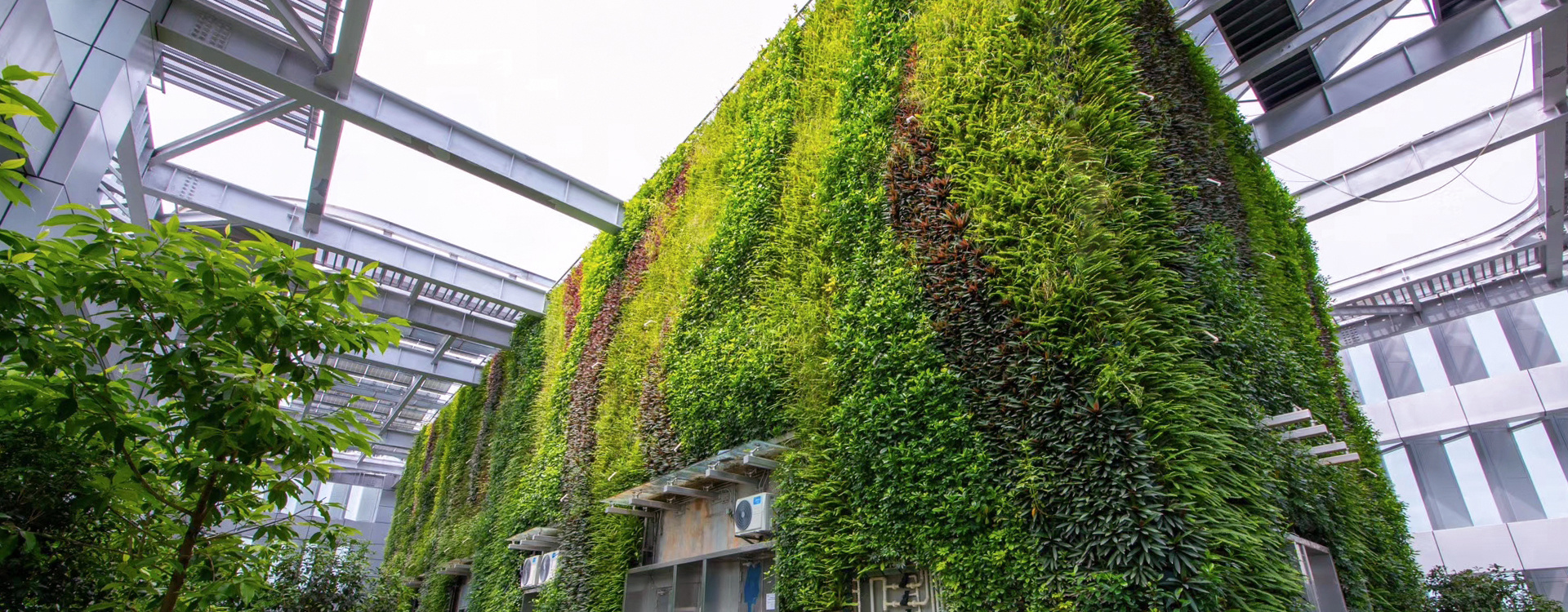
Vertical Wall Garden Planters vs. Traditional Pots: Which is Better?
Release time:
2026-11-18 13:00
Vertical Wall Garden Planters vs. Traditional Pots: Which is Better?
Table of Contents
- 1. Introduction
- 2. Understanding the Basics of Vertical Wall Garden Planters and Traditional Pots
- 3. Advantages of Vertical Wall Garden Planters
- 4. Disadvantages of Vertical Wall Garden Planters
- 5. Benefits of Traditional Pots
- 6. Downsides of Traditional Pots
- 7. Which One is Right for You? Analyzing Your Gardening Needs
- 8. Best Plants for Each Gardening Method
- 9. Care and Maintenance: Keeping Your Plants Thriving
- 10. Conclusion
- 11. Frequently Asked Questions
1. Introduction
In recent years, urban gardening has surged in popularity, leading many gardening enthusiasts to explore the best methods for maximizing their limited space. Among the most debated topics are **vertical wall garden planters** and **traditional pots**. Both options offer unique advantages and challenges, and understanding these can help you choose the best gardening method for your environment. In this article, we will delve into the differences, benefits, and drawbacks of these two gardening styles, providing you with a comprehensive guide to make an informed decision.
2. Understanding the Basics of Vertical Wall Garden Planters and Traditional Pots
Vertical wall garden planters are designed to utilize vertical space, allowing gardeners to grow plants on walls or fences. These planters can be made of various materials, such as fabric, plastic, or wood, and often feature multiple pockets or shelves for plant placement. This method is particularly beneficial in urban settings where ground space is limited.
On the other hand, traditional pots are standalone containers that can be placed on patios, balconies, or within garden beds. These pots come in various sizes and materials, including ceramic, plastic, and terracotta. Traditional pots allow for greater flexibility in plant placement and are often easier to manage regarding watering and nutrient delivery.
3. Advantages of Vertical Wall Garden Planters
**Maximizing Space Efficiency**
One of the most significant benefits of vertical wall garden planters is their ability to maximize available space. Whether you live in a small apartment or have a tiny backyard, these planters allow you to grow a variety of plants without taking up valuable ground area.
**Aesthetic Appeal**
Vertical gardens create an eye-catching visual display, enhancing the overall aesthetic of your space. They can transform bland walls into vibrant displays of greenery, adding life and texture to urban environments.
**Improved Air Circulation**
Plants in vertical wall planters often enjoy better air circulation, reducing the risk of fungal diseases and pests. This can lead to healthier plants and a more robust growing environment.
**Accessibility**
Vertical planters can be positioned at height, making it easier to tend to plants without bending or kneeling. This accessibility is especially beneficial for individuals with mobility issues or those who prefer less physical strain while gardening.
4. Disadvantages of Vertical Wall Garden Planters
**Limited Root Space**
While vertical planters save space, they also limit the root space for plants. This restriction can hinder growth and may require more regular watering and nutrient delivery to keep plants healthy.
**Weight Distribution**
Depending on the construction materials, vertical wall planters can be heavy when fully planted. Proper installation and weight distribution are crucial to avoid damage to walls or potential hazards.
**Maintenance Challenges**
Maintaining a vertical garden can be more challenging than traditional pots, as some plants may be harder to reach. Regular monitoring for pests, diseases, and overall plant health is essential for success.
5. Benefits of Traditional Pots
**Versatility in Plant Selection**
Traditional pots offer a more extensive range of plant choices. You can grow anything from small herbs to large bushy plants, allowing for a diverse garden layout.
**Greater Control Over Soil and Nutrients**
With traditional pots, gardeners have more control over the soil quality and nutrients. You can customize the potting mix to meet the specific needs of different plants, fostering better growth.
**Easier Care and Maintenance**
Traditional pots are generally easier to care for compared to vertical planters. They allow for straightforward watering, pruning, and monitoring, making them an excellent choice for novice gardeners.
**Portability**
One of the standout features of traditional pots is their portability. You can easily move pots around to follow sunlight or create seasonal displays, adapting your garden as needed.
6. Downsides of Traditional Pots
**Space Limitations**
Traditional pots can take up significant ground space, making them less suitable for small areas. In crowded urban environments, finding a suitable location for multiple pots can be challenging.
**Aesthetic Constraints**
While attractive, traditional pots may not provide the same visual impact as a vertical garden. The arrangement can appear scattered, lacking the cohesive look that a vertical garden offers.
7. Which One is Right for You? Analyzing Your Gardening Needs
Choosing between vertical wall garden planters and traditional pots ultimately depends on your individual circumstances and gardening goals. Consider the following factors:
**Available Space**
Assess your space—do you have walls that could benefit from greenery, or do you have ample ground space for pots? This will significantly influence your decision.
**Plant Type Preferences**
If your interests lie in herbs, succulents, or flowering plants that thrive in smaller spaces, vertical planters may be right for you. Conversely, if you prefer larger plants or a variety of species, traditional pots may be a better choice.
**Maintenance Commitment**
Evaluate your willingness to commit time to maintenance. Vertical gardens may require more regular monitoring and care, while traditional pots may offer more straightforward upkeep.
8. Best Plants for Each Gardening Method
**Ideal Plants for Vertical Wall Garden Planters**
1. **Herbs**: Basil, parsley, and mint thrive in wall planters.
2. **Succulents**: Varieties such as sedum and echeveria are perfect for vertical gardens.
3. **Small Flowers**: Petunias and pansies add vibrant color and flourish in confined spaces.
**Optimal Plants for Traditional Pots**
1. **Vegetables**: Tomatoes, peppers, and lettuce grow exceptionally well in traditional pots.
2. **Shrubs**: Smaller shrubs like boxwood or dwarf holly work perfectly for creating structure.
3. **Annuals**: Marigolds and geraniums add seasonal color and can be easily swapped out.
9. Care and Maintenance: Keeping Your Plants Thriving
Both vertical wall garden planters and traditional pots require regular maintenance to keep plants healthy and thriving. Here are some care tips:
**Watering**
- Vertical wall planters may need more frequent watering due to limited soil volume. Monitor moisture levels closely.
- Traditional pots should also be checked regularly, ensuring that water penetrates the entire soil depth.
**Fertilizing**
- Use a balanced, slow-release fertilizer for both gardening methods to provide essential nutrients.
- Vertical planters may need more frequent fertilization due to the limited soil volume.
**Pest Control**
- Inspect plants regularly for pests. Vertical gardens may be more vulnerable due to the compact nature of planting.
- Organic pest control methods can be effective for both gardening styles.
10. Conclusion
In the debate between **vertical wall garden planters** and **traditional pots**, there is no definitive winner; the best choice ultimately depends on your specific gardening needs, available space, and maintenance preferences. Vertical wall planters excel in maximizing limited space and offering stunning aesthetics, while traditional pots provide versatility and ease of care. By understanding the unique characteristics of each method, you can create a thriving garden that meets your personal style and gardening goals.
11. Frequently Asked Questions
1. Can I use vertical wall planters for vegetables?
Yes, many vegetables can grow well in vertical wall planters, particularly smaller varieties such as lettuce and herbs.
2. How do I prevent my vertical garden from becoming too heavy?
Choose lightweight materials and ensure proper installation to distribute weight evenly across the wall.
3. What is the best soil for traditional pots?
A high-quality potting mix tailored to the specific needs of your plants is ideal. Look for mixes that retain moisture while providing good drainage.
4. Are vertical gardens suitable for all climates?
Vertical gardens can work in various climates, but choosing the right plants for your specific environment is crucial.
5. Can I grow flowers in traditional pots?
Absolutely! Traditional pots are great for growing a wide range of flowers, from annuals to perennials.
By evaluating your gardening goals and space, you can confidently choose the best option for your green oasis. Whether you lean towards the innovative approach of vertical wall gardens or the classic appeal of traditional pots, both offer unique benefits that can enhance your gardening experience.
vertical wall garden planter factory
Related News

Tel : 086-769-28334884
Phone : 086-136-2002-9145
Address : Building C, Xiaqiao Industrial Park, Dongcheng District, Dongguan City, Guangdong Province
Copyright © 2024 Dongguan Mengyuan Environmental Technology Co., Ltd.
business license