



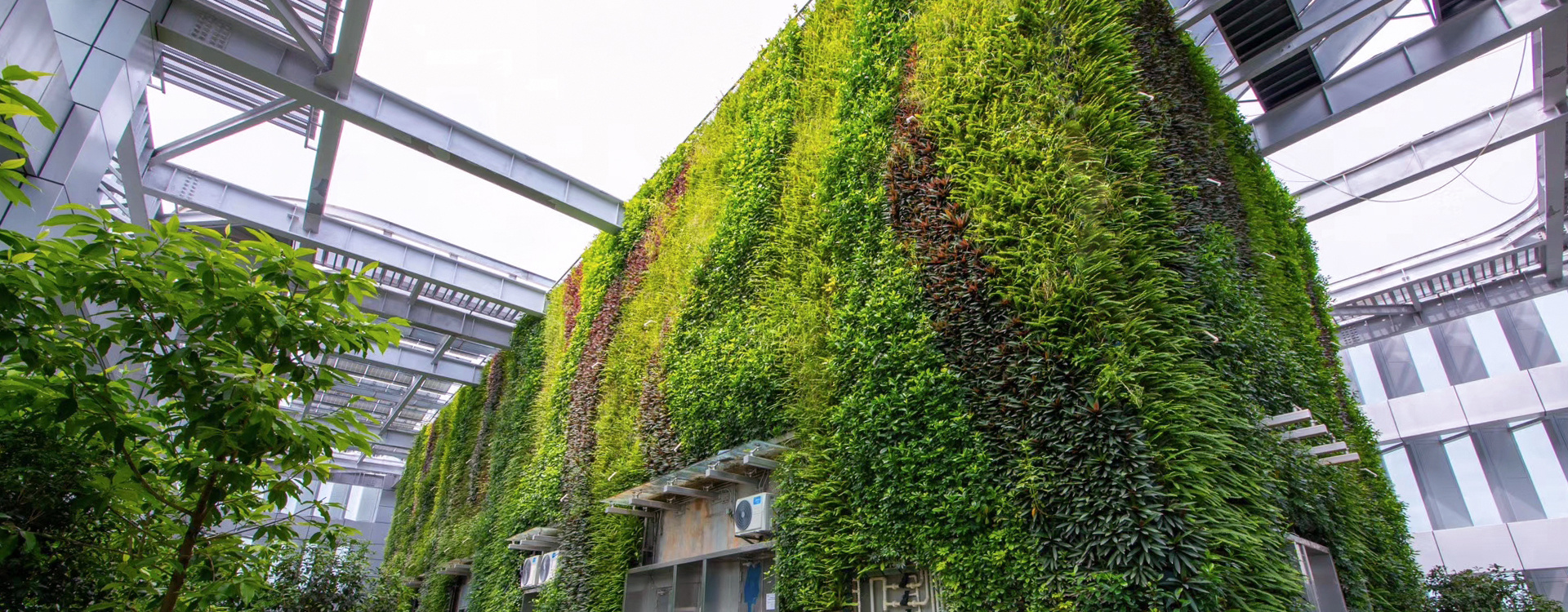
Maximizing Green Roof Planter Factory Efficiency for Sustainable Urban Gardening
Release time:
2026-11-15 13:30
As urbanization continues to rise, the concept of green roofs has gained momentum, leading to a surge in the demand for Green Roof Planter factories. These specialized facilities focus on producing planters designed for green roofs, which not only enhance aesthetic appeal but also provide numerous environmental benefits, such as improved air quality, energy efficiency, and biodiversity support. Here are some key considerations for establishing and operating a successful Green Roof Planter factory.
Firstly, understanding the unique requirements for green roof planters is critical. Unlike conventional planters, those designated for green roofs must be lightweight, durable, and capable of retaining moisture without jeopardizing the structural integrity of the building. Utilizing materials such as recycled plastics, composite materials, or lightweight soils can help achieve these criteria. It is essential to conduct thorough research and development to create products that meet these specifications while also being attractive to consumers.
Secondly, sustainability should be at the forefront of your factory operations. Implementing eco-friendly practices in your production processes will not only resonate with environmentally-conscious customers but also contribute to the overall sustainability goals of urban gardening. This includes using renewable energy sources, optimizing waste management, and sourcing materials from sustainable suppliers. Developing a closed-loop system where waste is minimized and repurposed can lead to significant cost savings and efficiency improvements.
Next, focus on design innovation. The market for Green Roof Planters is diverse, with varying styles and functionality. Customizing your product offerings to include modular systems, integrated irrigation solutions, and various sizes can cater to a broader audience. Collaborating with landscape architects and urban planners can provide valuable insights into emerging trends and needs in urban gardening, allowing your factory to stay ahead of the competition.
Effective marketing strategies are also crucial in promoting your Green Roof Planter factory. Highlight the environmental benefits of green roofs and showcase successful projects that utilize your planters. Sharing case studies and testimonials can build credibility and attract potential clients. Engaging with local gardening communities and participating in trade shows can further increase brand awareness and establish your factory as a leader in the niche market of green roof solutions.
Lastly, keep abreast of relevant regulations and certifications related to green roofs and sustainable practices. Compliance with these standards not only enhances your factory’s reputation but also reassures customers about the environmental impact of the products they are purchasing.
In conclusion, operating a Green Roof Planter factory presents a unique opportunity to contribute to urban sustainability. By focusing on innovative design, sustainable practices, and effective marketing, your factory can thrive in this burgeoning industry, meeting the increasing demand for eco-friendly gardening solutions.
Green Roof Planter factory
Related News

Tel : 086-769-28334884
Phone : 086-136-2002-9145
Address : Building C, Xiaqiao Industrial Park, Dongcheng District, Dongguan City, Guangdong Province
Copyright © 2024 Dongguan Mengyuan Environmental Technology Co., Ltd.
business license