



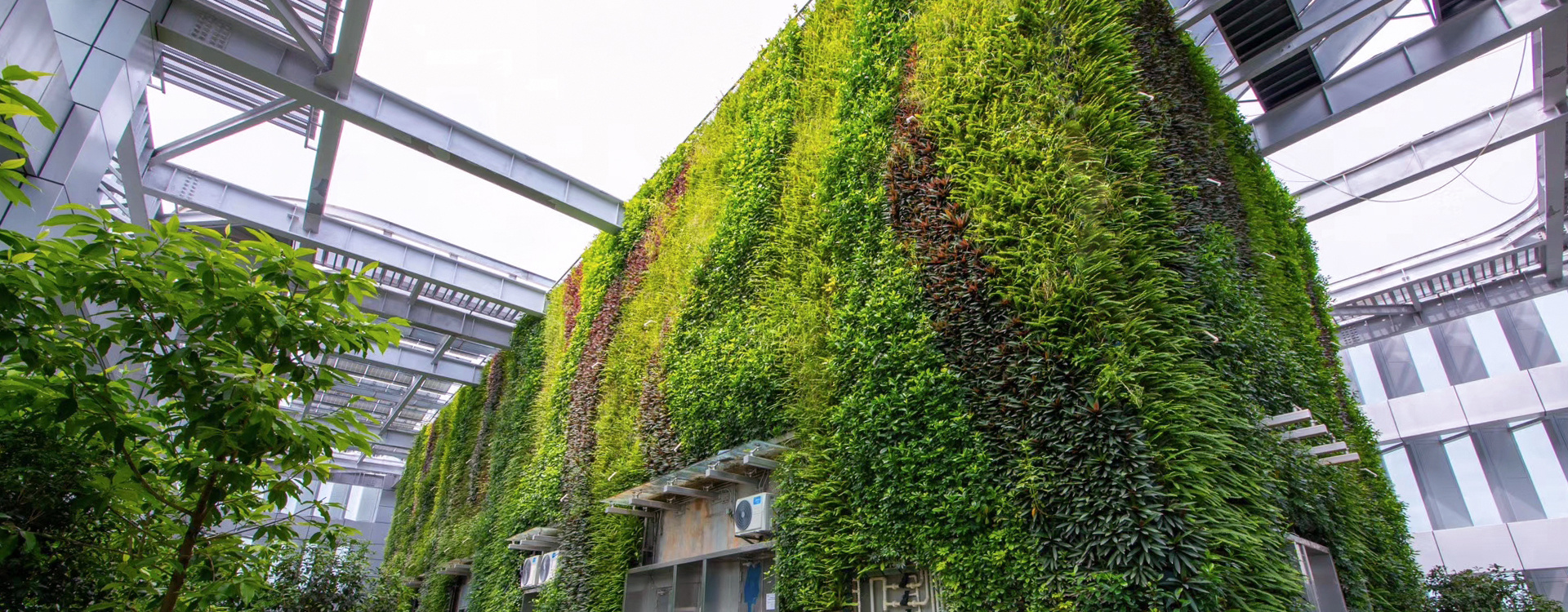
The Science Behind Customized Vertical Hydroponic Systems: Unlocking the Future of Sustainable Agriculture
Release time:
2026-11-12 13:11
The Science Behind Customized Vertical Hydroponic Systems
Table of Contents
- 1. Introduction to Vertical Hydroponics
- 2. What is Hydroponics?
- 3. Benefits of Vertical Hydroponics
- 4. Customizing Your Hydroponic System
- 4.1 Design Considerations for Vertical Systems
- 4.2 Choosing the Right Crops for Hydroponics
- 4.3 Nutrient Solutions: Tailoring for Optimal Growth
- 5. The Technology Behind Vertical Hydroponics
- 6. Environmental Considerations in Hydroponics
- 7. Case Studies: Successful Implementations
- 8. Challenges and Solutions in Vertical Hydroponics
- 9. Conclusion
- 10. FAQs
1. Introduction to Vertical Hydroponics
The growing global population and the pressing need for sustainable food sources have led to innovative agricultural practices. One such approach is vertical hydroponics, a method that allows growers to cultivate plants in a soil-less environment, utilizing nutrient-rich water solutions. This article delves into the science of customized vertical hydroponic systems, focusing on how tailored solutions can maximize efficiency, yield, and sustainability in modern agriculture.
2. What is Hydroponics?
Hydroponics refers to the method of growing plants using mineral nutrient solutions in an aqueous solvent. The process eliminates the need for soil, allowing for greater control over nutrient delivery and environmental conditions. This technique can be utilized in various setups, including floating systems, nutrient film techniques, and vertical farming.
The principles of hydroponics are rooted in basic plant biology. Plants require water, light, nutrients, and air to thrive. In traditional soil-based farming, nutrients are absorbed from the soil, while hydroponics allows for a direct and efficient delivery of nutrients to the plant's roots. This method leads to faster growth rates, higher yields, and reduced water usage, making it an attractive alternative to conventional farming.
3. Benefits of Vertical Hydroponics
Customized vertical hydroponic systems offer numerous advantages over traditional farming methods:
3.1 Space Efficiency
Vertical hydroponic systems maximize space by utilizing vertical structures for plant growth. This is particularly beneficial in urban environments where land is limited. By stacking layers of plants, growers can produce more food in a smaller footprint.
3.2 Water Conservation
Hydroponics uses significantly less water compared to traditional agriculture. Because water is recirculated in these systems, plants obtain precise amounts, minimizing waste and ensuring that every drop counts.
3.3 Enhanced Control Over Growing Conditions
Customized systems allow growers to monitor and adjust various factors, such as nutrient levels, pH, and light exposure. This level of control leads to healthier plants and higher yields.
3.4 Year-Round Production
With the ability to create optimal growing conditions, vertical hydroponics enables year-round food production, irrespective of weather or seasonal limitations.
4. Customizing Your Hydroponic System
Designing a customized vertical hydroponic system involves several critical considerations to ensure optimal performance.
4.1 Design Considerations for Vertical Systems
When planning a vertical hydroponic system, consider the following factors:
- **Space and Layout:** Assess the available space and determine how to best utilize vertical height. Designing a modular system allows for future expansion.
- **Material Selection:** Choose durable, non-toxic materials that can withstand moisture exposure and ensure structural integrity.
- **Plant Variety:** Select a mix of crops that are well-suited for hydroponic growth and can thrive in the chosen environment.
4.2 Choosing the Right Crops for Hydroponics
The choice of crops is crucial for maximizing yields in a customized hydroponic system. Popular options include:
- **Leafy Greens:** Varieties like lettuce, spinach, and kale grow rapidly and are well-suited for hydroponic systems.
- **Herbs:** Basil, cilantro, and mint thrive in hydroponic environments, providing flavor and variety.
- **Fruiting Plants:** Tomatoes, peppers, and strawberries can also be grown hydroponically, but they may require additional support and care.
4.3 Nutrient Solutions: Tailoring for Optimal Growth
Nutrient solutions are the lifeblood of hydroponic systems. Customized solutions should include essential macro and micronutrients, including nitrogen, phosphorus, potassium, calcium, magnesium, and trace elements. It's vital to regularly test and adjust nutrient levels based on plant needs and growth stages.
5. The Technology Behind Vertical Hydroponics
Advancements in technology have significantly impacted the effectiveness of vertical hydroponic systems. Implementing cutting-edge tools can enhance productivity and ease of management.
5.1 Innovative Lighting Systems
Artificial lighting is crucial for indoor hydroponic systems. LED grow lights are popular due to their energy efficiency and ability to provide specific light spectrums that promote plant growth. Customizing light placement and intensity can optimize photosynthesis and crop yield.
5.2 Automation and Sensor Technology
Automation technology, such as timers and sensors, can help monitor and control environmental variables like temperature, humidity, and nutrient levels. These systems reduce the need for manual labor and ensure consistent growing conditions.
6. Environmental Considerations in Hydroponics
While vertical hydroponics offers numerous benefits, it is essential to consider environmental impacts. Choosing sustainable practices, such as using renewable energy sources for lighting and maintaining a closed-loop water system, can minimize the ecological footprint of hydroponic operations.
Additionally, sourcing materials responsibly and ensuring proper waste management are critical components of sustainable hydroponic farming.
7. Case Studies: Successful Implementations
Examining successful case studies can provide valuable insights into the practical application of customized vertical hydroponic systems.
7.1 Urban Farming Initiatives
Cities globally are embracing vertical hydroponics to promote local food production. Examples include community gardens utilizing empty lots and rooftop farms that provide fresh produce to urban residents.
7.2 Commercial Hydroponic Farms
Commercial growers are increasingly adopting vertical hydroponic systems to meet rising demand for fresh produce. These farms implement advanced technologies, optimize crop selection, and utilize efficient logistics to deliver products to market.
8. Challenges and Solutions in Vertical Hydroponics
Despite the advantages, vertical hydroponics presents unique challenges that must be addressed:
8.1 Technical Complexity
The intricacies of designing and operating hydroponic systems can be daunting. Comprehensive training and support resources can help new growers navigate these complexities.
8.2 Initial Startup Costs
Setting up a customized vertical hydroponic system can require a significant initial investment. However, the long-term savings on water and land usage, coupled with the potential for high yields, often justify the expense.
8.3 Pest and Disease Management
While hydroponics can reduce some pest issues, it is essential to implement integrated pest management strategies to safeguard crops.
9. Conclusion
Customized vertical hydroponic systems represent a groundbreaking approach to sustainable agriculture, marrying technology with innovative design. By understanding the science and principles behind these systems, growers can create tailored solutions that maximize yield, conserve resources, and contribute positively to local food systems. As urbanization continues to escalate, the need for efficient food production methods is more critical than ever. Embracing customized vertical hydroponics not only meets this demand but also paves the way for a more sustainable agricultural future.
10. FAQs
What types of plants grow best in vertical hydroponics?
Leafy greens, herbs, and some fruiting plants like tomatoes and strawberries thrive in vertical hydroponic systems due to their growth habits and nutrient requirements.
How much water do vertical hydroponic systems use?
Vertical hydroponic systems use significantly less water than traditional farming methods, often utilizing up to 90% less due to recirculation and precise delivery methods.
Can I set up a vertical hydroponic system indoors?
Yes, vertical hydroponic systems can be successfully implemented indoors, especially with the use of artificial lighting and controlled environmental conditions.
What is the initial cost of setting up a vertical hydroponic system?
The initial cost can vary widely based on the system's size and complexity but generally ranges from a few hundred to several thousand dollars.
How do I manage pests in a vertical hydroponic system?
Implementing integrated pest management strategies, such as introducing beneficial insects and maintaining cleanliness, can effectively manage pests in hydroponic systems.
customized vertical hydroponic system
Related News

Tel : 086-769-28334884
Phone : 086-136-2002-9145
Address : Building C, Xiaqiao Industrial Park, Dongcheng District, Dongguan City, Guangdong Province
Copyright © 2024 Dongguan Mengyuan Environmental Technology Co., Ltd.
business license