



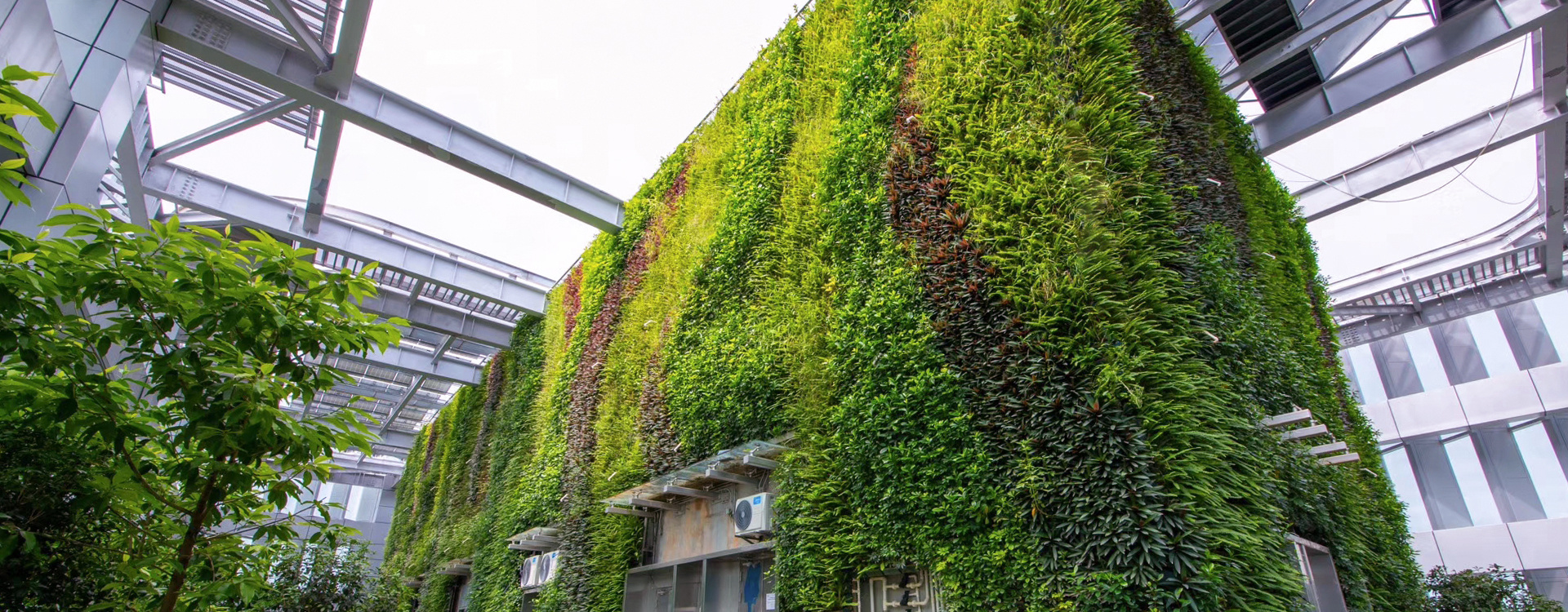
Why Greening Planting Pots Are a Game Changer for Eco-Friendly Gardening
Release time:
2024-12-07 10:20
Why Greening Planting Pots Are a Game Changer for Eco-Friendly Gardening
Table of Contents
1. Introduction to Eco-Friendly Gardening
2. The Importance of Sustainable Gardening Practices
3. What Are Greening Planting Pots?
4. Benefits of Using Greening Planting Pots
4.1 Environmentally Friendly Materials
4.2 Improved Plant Health
4.3 Aesthetic Appeal in Gardens
4.4 Reducing Plastic Waste
5. Different Types of Greening Planting Pots
5.1 Biodegradable Pots
5.2 Recycled Material Pots
5.3 Self-Watering Planters
6. How to Choose the Right Greening Planting Pot
7. Practical Tips for Eco-Friendly Gardening with Greening Pots
8. Frequently Asked Questions
9. Conclusion
1. Introduction to Eco-Friendly Gardening
The world has seen a significant shift towards sustainable living, and gardening is no exception. Eco-friendly gardening promotes practices that are beneficial for the environment, ensuring that we do not deplete our natural resources or harm the ecosystem. As gardeners increasingly seek sustainable solutions, greening planting pots have emerged as a revolutionary tool. These innovative pots not only enhance plant growth but also align with our commitment to protecting the planet.
2. The Importance of Sustainable Gardening Practices
Sustainable gardening practices are essential for several reasons. They help conserve water, improve soil quality, and promote biodiversity. Additionally, they reduce the carbon footprint associated with traditional gardening methods. By utilizing eco-friendly gardening techniques, gardeners can cultivate their plants while minimizing environmental impact. Greening planting pots play a crucial role in this sustainability movement by providing an alternative to conventional plastic pots.
3. What Are Greening Planting Pots?
Greening planting pots are designed with sustainability in mind. Made from natural, biodegradable, or recycled materials, these pots serve as a responsible choice for gardeners looking to make a positive impact. Unlike traditional plastic pots, which can take hundreds of years to decompose, greening pots offer a more environmentally friendly option that supports healthy plant growth.
4. Benefits of Using Greening Planting Pots
Using greening planting pots provides numerous advantages, making them an essential component of any eco-conscious garden.
4.1 Environmentally Friendly Materials
Greening pots are typically made from sustainable materials such as bamboo, coconut coir, and recycled paper. These materials not only decompose naturally but also contribute to soil health by enriching it as they break down.
4.2 Improved Plant Health
Greening planting pots promote better root development and drainage compared to traditional pots. Their breathable materials allow for adequate airflow, reducing the risk of root rot and ensuring that plants receive the necessary nutrients.
4.3 Aesthetic Appeal in Gardens
Available in various shapes, sizes, and designs, greening planting pots can enhance the visual appeal of gardens. Whether you prefer a rustic look or a modern aesthetic, there’s a greening pot that can complement your garden design.
4.4 Reducing Plastic Waste
One of the most significant environmental issues today is plastic pollution. By choosing greening planting pots, gardeners can help reduce the amount of plastic waste that ends up in landfills and oceans.
5. Different Types of Greening Planting Pots
There are several types of greening planting pots available, each catering to different gardening needs.
5.1 Biodegradable Pots
These pots are made from materials like peat, bamboo, or other organic substances that decompose over time. They can be planted directly into the ground, allowing the pot to break down and contribute to soil health.
5.2 Recycled Material Pots
Pots made from recycled plastics or paper are a sustainable choice that helps divert waste from landfills. These pots maintain durability while supporting eco-friendly practices.
5.3 Self-Watering Planters
Innovative self-watering planters ensure that plants receive the right amount of moisture without constant monitoring. Many self-watering pots are made from sustainable materials, combining functionality with eco-friendliness.
6. How to Choose the Right Greening Planting Pot
Selecting the appropriate greening pot depends on various factors, including the type of plants you intend to grow, the pot's material, and its size. Consider the following tips when making your choice:
1. **Plant Type:** Choose pots that suit your plant's specific needs, such as herbs, flowers, or vegetables.
2. **Material:** Opt for biodegradable materials for easier composting or recycled materials for longevity.
3. **Size:** Ensure the pot is spacious enough for root growth; overcrowded roots can lead to stunted plant development.
7. Practical Tips for Eco-Friendly Gardening with Greening Pots
Incorporating greening planting pots into your gardening routine can enhance your eco-friendly efforts. Here are some practical tips:
- **Mulch:** Use organic mulch around plants to conserve moisture and suppress weeds.
- **Composting:** Compost kitchen scraps and yard waste to create nutrient-rich soil for your greening pots.
- **Water Wisely:** Implement a rainwater collection system to reduce water consumption.
- **Plant Native Species:** Native plants require less maintenance and water, making them ideal for eco-friendly gardens.
8. Frequently Asked Questions
1. Are greening planting pots more expensive than traditional pots?
While some greening pots may have a higher upfront cost, their long-term benefits and environmental impact often make them a worthwhile investment.
2. Do greening pots break down quickly in the garden?
The breakdown rate of greening pots varies depending on the material. Biodegradable pots typically decompose within a few months, while recycled pots may last longer.
3. Can I use greening pots for indoor plants?
Yes, greening pots can be used for indoor plants as well. Just ensure they have proper drainage to avoid overwatering.
4. Is it necessary to fertilize plants in greening pots?
Yes, although greening pots provide some nutrients, regular fertilization may be necessary to ensure optimal plant growth.
5. How do I dispose of greening pots once I’m done with them?
Biodegradable pots can be added to compost, while recycled pots can often be recycled again, depending on your local recycling program.
9. Conclusion
Greening planting pots represent a significant advancement in eco-friendly gardening, offering numerous benefits that align with sustainable practices. By choosing these innovative pots, gardeners not only promote healthy plant growth but also contribute to the reduction of plastic waste and the overall health of our planet. Incorporating greening pots into your gardening routine is a simple yet effective way to support a greener future while enjoying the aesthetic and functional advantages they provide. Embrace the change and make a positive impact with every plant you grow.
Greening planting pots
preceding page
Related News
2026-10-08
2026-10-05
2026-10-02

Tel : 086-769-28334884
Phone : 086-136-2002-9145
Address : Building C, Xiaqiao Industrial Park, Dongcheng District, Dongguan City, Guangdong Province
Copyright © 2024 Dongguan Mengyuan Environmental Technology Co., Ltd.
business license