



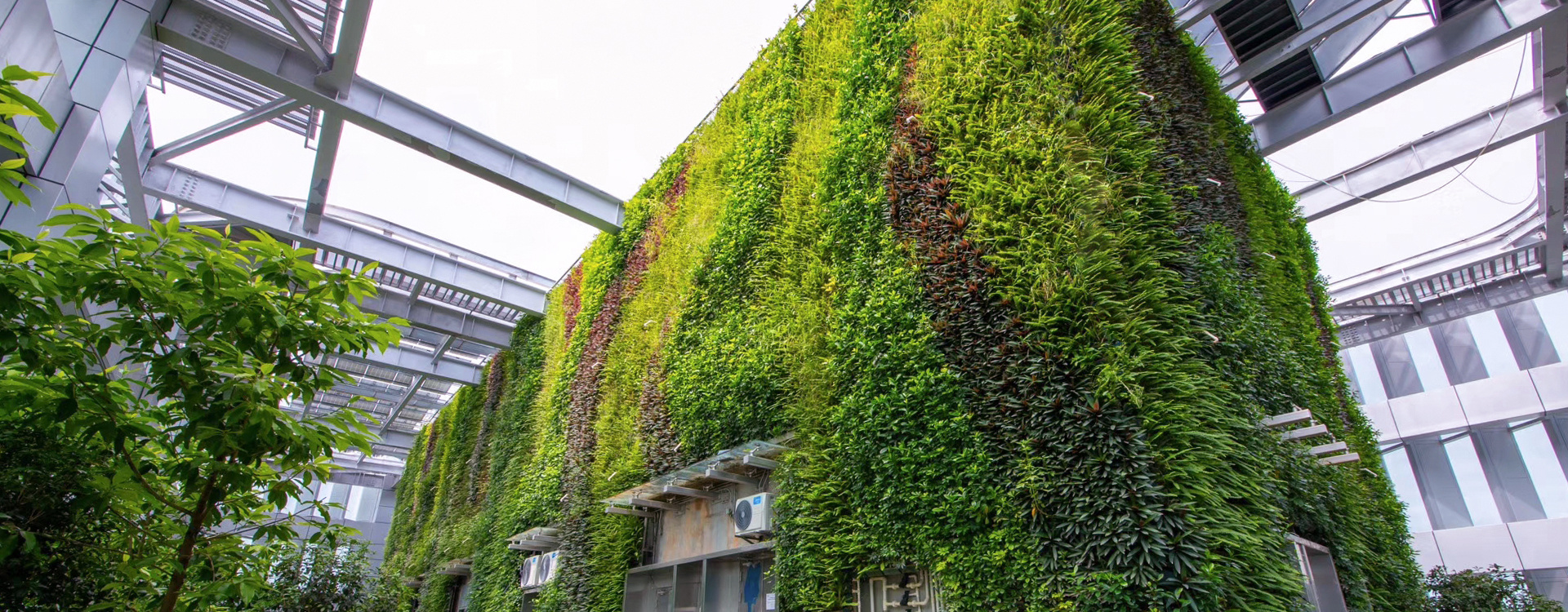
Vertical Gardening: Affordable Wall Planters for Every Style
Release time:
2025-01-20 20:40
Vertical Gardening: Affordable Wall Planters for Every Style
Introduction to Vertical Gardening
Vertical gardening is not just a trend; it’s a clever solution for maximizing space and beautifying both indoor and outdoor areas. In an era where urban living often comes with limited space, wall planters offer a practical and aesthetically pleasing way to grow plants without the need for extensive garden beds. This method allows you to transform any wall, balcony, or patio into a lush green space. In this article, we will delve into the various styles of vertical gardening, focusing on **affordable wall planters** that can suit every aesthetic and practical need.
Benefits of Vertical Gardening
Vertical gardening offers numerous advantages, making it an appealing option for gardening enthusiasts and novices alike.
Space Saving
For those with limited space, vertical gardening allows you to utilize vertical surfaces, freeing up precious ground space. This is especially useful in urban settings where outdoor areas are often minimal.
Improved Air Quality
Plants are known for their air-purifying qualities. By incorporating wall planters, you can significantly improve the air quality in your home or office while enjoying the beauty of greenery.
Enhanced Aesthetics
The visual appeal of wall planters can add character to any space. They come in various designs and colors, allowing you to create unique displays that reflect your personal style.
Easy Maintenance
Vertical gardens are often easier to maintain than traditional gardens. Elevated plants are generally less susceptible to pests, and watering can be more straightforward when systems are integrated.
Types of Wall Planters
When it comes to vertical gardening, there is a plethora of wall planter options available, each catering to different styles and preferences.
Hanging Planters
Hanging planters are a popular choice for adding a touch of greenery without taking up floor space. They can be hung from walls, ceilings, or even hooks, and are available in materials like ceramic, metal, and fabric.
Wall-Mounted Planters
These planters attach directly to your wall, creating an artistic display of plants. Wall-mounted planters can come in modular designs, allowing for creativity in arrangement and plant selection.
Pocket Planters
Pocket planters consist of fabric or felt pockets that can hold individual plants. They are ideal for herbs and small flowers and provide excellent drainage while being lightweight and easy to install.
Vertical Garden Kits
For those looking for a complete solution, vertical garden kits include everything you need to start your vertical garden. These kits often come with planters, mounting hardware, and irrigation systems.
Choosing the Right Materials for Wall Planters
Selecting the right materials for your wall planters is crucial to ensuring the health of your plants and the durability of your gardening setup.
Wooden Planters
Wooden planters offer a rustic charm and can blend well with natural surroundings. Ensure that the wood is treated to withstand moisture and prevent rot.
Metal Planters
Metal planters are robust and can create a modern look. They are durable and can withstand various weather conditions, making them suitable for outdoor use.
Plastic Planters
Lightweight and affordable, plastic planters come in various colors and designs. They are resistant to fading and can be easily moved around.
Fabric Planters
Fabric planters, often made from felt, are breathable and provide excellent drainage. They are perfect for growing herbs and small plants and can be easily hung or mounted.
How to Install Wall Planters
Installing wall planters can seem daunting, but with the right approach, it can be a straightforward process.
Tools and Materials Needed
Before you begin, gather the necessary tools such as screws, anchors, a drill, and a level. Depending on the type of wall planter, you may also need brackets or hanging hardware.
Step-by-Step Installation Guide
1. **Choose the Location**: Select a location that receives adequate sunlight but is also convenient for watering and maintenance.
2. **Mark the Drill Points**: Use a pencil to mark where the screws will go, ensuring they are level and appropriately spaced.
3. **Drill Holes**: Drill holes into the wall at the marked points and insert wall anchors if necessary.
4. **Attach the Planter**: Secure the wall planter using screws, ensuring it is firmly attached and level.
5. **Planting**: Fill the planter with soil and your chosen plants, making sure to consider their sunlight and water needs.
Creative Plant Combinations for Wall Planters
Choosing the right plants for your wall planters can elevate your vertical garden's appearance and health.
Mixing Colors and Textures
Combine plants with varying leaf shapes, textures, and colors to create visual interest. For example, pairing leafy greens with flowering plants can make your display pop.
Herb Gardens
Wall planters are particularly well-suited for herbs. Consider growing **basil**, **thyme**, **mint**, and **parsley** together. They thrive in similar conditions and are useful in the kitchen.
Succulents and Cacti
For a low-maintenance option, consider succulents and cacti. These plants require minimal watering and can thrive in a variety of conditions, making them perfect for beginners.
Seasonal Planting
Change your wall planter displays with the seasons. Incorporate seasonal flowers or plants to keep your vertical garden fresh and engaging.
Maintaining Your Vertical Garden
To keep your vertical garden thriving, it’s essential to follow a proper maintenance routine.
Watering Considerations
Watering can be tricky with wall planters. Ensure proper drainage and check the moisture level regularly. Depending on the plant types, adjust your watering schedule accordingly.
Fertilizing
Regularly fertilize your plants to ensure they receive the necessary nutrients. Use organic fertilizers to promote healthy growth without harming the environment.
Pruning and Harvesting
Regularly prune your plants to encourage growth and remove any dead leaves. If you’re growing herbs, be sure to harvest them regularly to promote new growth.
Affordable Wall Planter Options for Every Budget
There are various affordable options for those looking to start vertical gardening without breaking the bank.
DIY Wall Planters
Creating your own wall planters can be a fun and cost-effective solution. Use repurposed materials such as wooden crates, pallets, or even old shoe organizers to create unique planters.
Budget-Friendly Store-Bought Planters
Many stores offer affordable wall planter options. Look for sales or discounts at local garden centers or online retailers. Brands often provide stylish and functional planters at reasonable prices.
Community Gardening Initiatives
Consider participating in community gardening initiatives that focus on vertical gardening. These programs often provide access to affordable resources and shared knowledge.
Conclusion
Vertical gardening is an innovative and practical approach to gardening that can enhance any space, big or small. With a variety of **affordable wall planters** available, anyone can enjoy the beauty and benefits of greenery in their home or garden. By choosing the right materials, understanding how to install and maintain your vertical garden, and experimenting with plant combinations, you can create a stunning display that reflects your personal style. Embrace the world of vertical gardening and transform your living space into a vibrant green oasis today.
FAQs
1. What types of plants are best for vertical gardening?
Plants such as herbs, succulents, and flowering varieties like petunias and fuchsias thrive in vertical gardens.
2. How often should I water my vertical garden?
Watering frequency depends on the plant types and environmental conditions. Generally, check the soil moisture regularly and water when the top inch is dry.
3. Can I use wall planters indoors?
Absolutely! Wall planters are perfect for indoor spaces, allowing you to bring nature inside while saving floor space.
4. What is the best way to attach wall planters to a wall?
Use screws and wall anchors for a secure installation. Ensure that the planters are level and firmly attached.
5. Do wall planters require special care compared to traditional gardens?
While wall planters may require more frequent monitoring for moisture, they can be easier to maintain due to reduced pest exposure. Regular pruning and fertilizing will help keep them healthy.
Low price vertical wall garden planter
Related News
2026-10-08
2026-10-05
2026-10-02

Tel : 086-769-28334884
Phone : 086-136-2002-9145
Address : Building C, Xiaqiao Industrial Park, Dongcheng District, Dongguan City, Guangdong Province
Copyright © 2024 Dongguan Mengyuan Environmental Technology Co., Ltd.
business license