



Exploring Vertical Hydroponic System Manufacturers: A Guide to Innovative Gardening Solutions
Release time:
2025-01-29 14:20
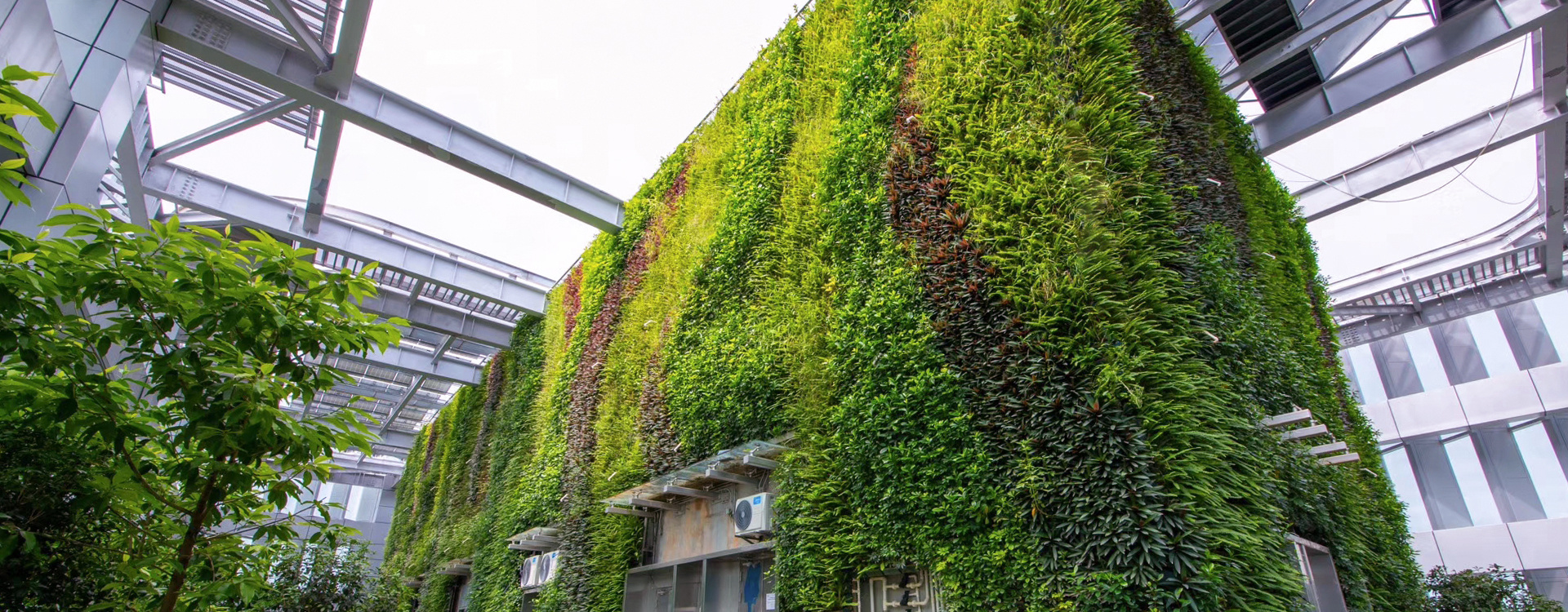
Vertical hydroponic systems have become an increasingly popular solution for farmers and gardeners aiming to maximize space and efficiency while minimizing resource usage. With urbanization on the rise and arable land diminishing, the appeal of vertical farming lies in its innovative approach to food production, allowing crops to grow upward, rather than outward.
At the core of this revolution are vertical hydroponic system manufacturers, who design and produce the equipment necessary for these types of systems. These manufacturers utilize cutting-edge technology to facilitate the cultivation of various crops in a controlled environment. By employing hydroponic techniques—growing plants in nutrient-rich water—these systems eliminate the need for soil entirely, which can lead to faster growth rates and higher yields.
One of the primary advantages of vertical hydroponic systems is their space efficiency. These systems can be implemented in urban environments, utilizing vertical space that would otherwise be unproductive. This means that even small areas, such as balconies or rooftops, can be transformed into productive gardens. Additionally, vertical systems often require less water than traditional farming, as the water used in hydroponics is recirculated, reducing overall consumption and waste.
Moreover, vertical hydroponics can significantly reduce the need for pesticides and herbicides. The controlled environments created by these systems often result in healthier plants that are less susceptible to pests and diseases. This not only benefits the environment but also leads to cleaner, more organic produce for consumers.
When considering vertical hydroponic systems, it is crucial to evaluate the various manufacturers available in the market. Each manufacturer may offer unique systems with different features, such as automated nutrient delivery, energy-efficient lighting, and easy scalability. Researching these manufacturers can help you find a system that best meets your specific gardening goals and needs.
Another important aspect to consider is the technology behind these systems. Some manufacturers incorporate advanced technologies such as LED grow lights, which provide the optimal light spectrum for plant growth while minimizing energy consumption. Others may integrate sensors and monitoring systems that allow growers to track nutrient levels, moisture, and growth rates, enabling precise adjustments for optimal plant health.
In summary, vertical hydroponic system manufacturers play a vital role in the future of urban agriculture. By understanding their offerings and the benefits of vertical hydroponic systems, gardeners and farmers can make informed decisions that support sustainable food production and contribute positively to the environment. Whether you're a seasoned gardener or a beginner, exploring these innovative systems can open new doors to efficient and sustainable gardening practices.
At the core of this revolution are vertical hydroponic system manufacturers, who design and produce the equipment necessary for these types of systems. These manufacturers utilize cutting-edge technology to facilitate the cultivation of various crops in a controlled environment. By employing hydroponic techniques—growing plants in nutrient-rich water—these systems eliminate the need for soil entirely, which can lead to faster growth rates and higher yields.
One of the primary advantages of vertical hydroponic systems is their space efficiency. These systems can be implemented in urban environments, utilizing vertical space that would otherwise be unproductive. This means that even small areas, such as balconies or rooftops, can be transformed into productive gardens. Additionally, vertical systems often require less water than traditional farming, as the water used in hydroponics is recirculated, reducing overall consumption and waste.
Moreover, vertical hydroponics can significantly reduce the need for pesticides and herbicides. The controlled environments created by these systems often result in healthier plants that are less susceptible to pests and diseases. This not only benefits the environment but also leads to cleaner, more organic produce for consumers.
When considering vertical hydroponic systems, it is crucial to evaluate the various manufacturers available in the market. Each manufacturer may offer unique systems with different features, such as automated nutrient delivery, energy-efficient lighting, and easy scalability. Researching these manufacturers can help you find a system that best meets your specific gardening goals and needs.
Another important aspect to consider is the technology behind these systems. Some manufacturers incorporate advanced technologies such as LED grow lights, which provide the optimal light spectrum for plant growth while minimizing energy consumption. Others may integrate sensors and monitoring systems that allow growers to track nutrient levels, moisture, and growth rates, enabling precise adjustments for optimal plant health.
In summary, vertical hydroponic system manufacturers play a vital role in the future of urban agriculture. By understanding their offerings and the benefits of vertical hydroponic systems, gardeners and farmers can make informed decisions that support sustainable food production and contribute positively to the environment. Whether you're a seasoned gardener or a beginner, exploring these innovative systems can open new doors to efficient and sustainable gardening practices.
vertical hydroponic system manufacturers
Related News
2026-10-08
2026-10-05
2026-10-02

Tel : 086-769-28334884
Phone : 086-136-2002-9145
Address : Building C, Xiaqiao Industrial Park, Dongcheng District, Dongguan City, Guangdong Province
Copyright © 2024 Dongguan Mengyuan Environmental Technology Co., Ltd.
business license