



Sustainable Gardening Solutions: The Impact of Discount Vertical Hydroponic Systems
Release time:
2025-02-14 11:20
Sustainable Gardening Solutions: The Impact of Discount Vertical Hydroponic Systems
Table of Contents
- Introduction to Sustainable Gardening
- What is Vertical Hydroponics?
- Benefits of Vertical Hydroponic Systems
- The Impact of Discount Vertical Hydroponic Systems
- Getting Started with Vertical Hydroponics
- Maintaining Your Vertical Hydroponic System
- Common Mistakes to Avoid in Vertical Hydroponics
- Frequently Asked Questions
- Conclusion: Embracing Sustainable Gardening
Introduction to Sustainable Gardening
Sustainable gardening is not just a trend; it is a vital practice that encourages responsible use of resources and minimizes environmental impact. With the growing awareness of climate change and food security, more individuals are exploring ways to grow their food sustainably. One such solution gaining traction is **vertical hydroponic systems**, especially discount options that make this innovative approach accessible to a wider audience.
What is Vertical Hydroponics?
Vertical hydroponics is a method of growing plants without soil by utilizing nutrient-rich water solutions. In this system, plants are positioned vertically, often in stacked layers, to maximize space and yield. This innovative gardening approach allows urban dwellers and those with limited outdoor space to cultivate a variety of plants efficiently.
The integration of vertical gardening with hydroponics offers several advantages. **Nutrient delivery** is optimized, as plants receive direct access to essential minerals and water. This not only promotes healthy growth but also reduces the amount of water needed compared to traditional gardening methods.
Types of Vertical Hydroponic Systems
There are several types of vertical hydroponic systems available today, each designed to cater to different needs and preferences. Some common types include:
1. **Tower Gardens**: These are vertical, space-saving systems where plants grow upward in a circular configuration. Tower gardens are perfect for growing leafy greens and herbs.
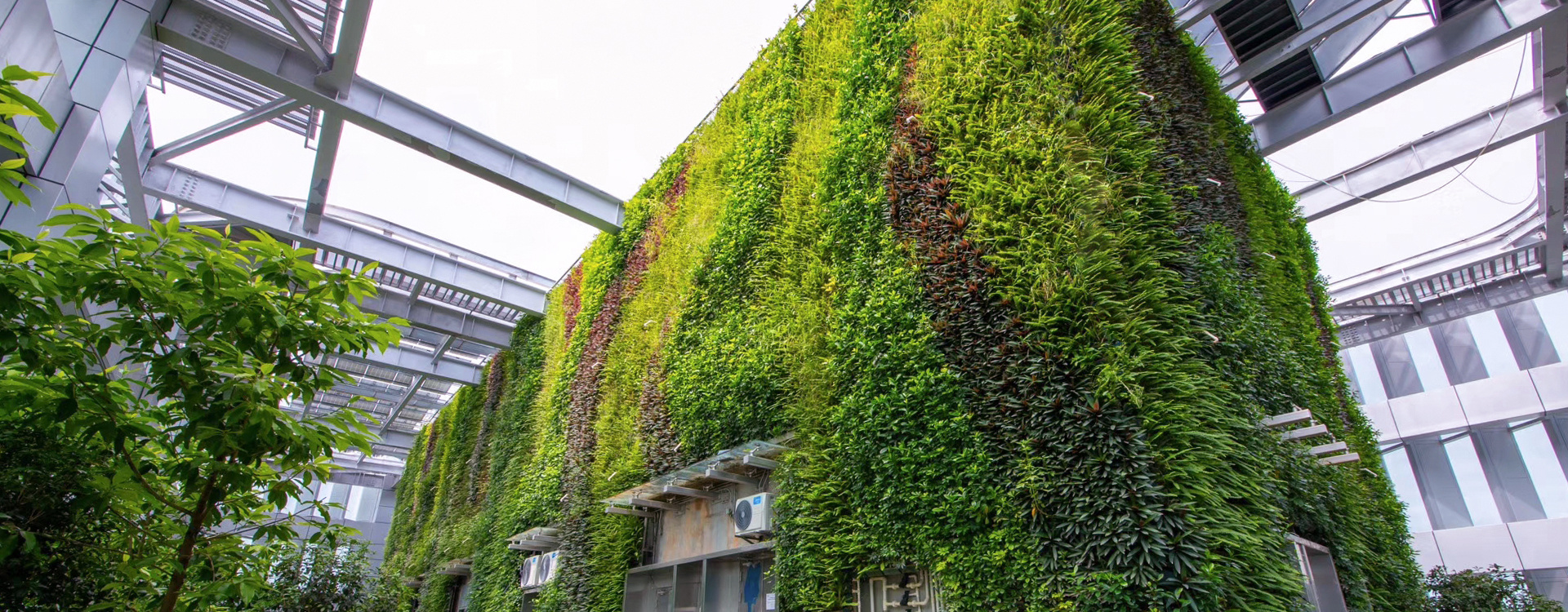
2. **Wall-Mounted Systems**: These systems utilize wall space for planting, often resembling a living wall filled with greenery. They are ideal for small spaces and provide aesthetic appeal.
3. **A-Frame Hydroponics**: This design features two vertical frames connected at the top, creating an A-shape. Plants are grown in channels that allow water to flow down, ensuring all plants receive nutrients.
Each of these systems can be found at discounted rates, making vertical gardening a feasible option for everyone.
Benefits of Vertical Hydroponic Systems
The advantages of vertical hydroponic systems go beyond just saving space. Here are some key benefits:
1. Space Efficiency
Vertical systems optimize limited space, allowing gardeners to grow more in smaller areas. This is particularly beneficial for urban environments where traditional gardening space is scarce.
2. Water Conservation
Hydroponics uses significantly less water than soil-based gardening. By recirculating water within the system, plants use only what they need, making it an eco-friendly choice.
3. Pest and Disease Control
Growing plants in a controlled environment helps minimize exposure to pests and diseases. This leads to healthier plants and reduces the need for chemical pesticides.
4. Faster Growth Rates
Research shows that hydroponically grown plants often grow faster than their soil-grown counterparts. The direct access to nutrients results in quicker development and higher yields.
5. Year-Round Gardening
With a vertical hydroponic system, gardeners can grow plants year-round, regardless of external weather conditions. This means fresh produce can be available at any time.
The Impact of Discount Vertical Hydroponic Systems
Discount vertical hydroponic systems have revolutionized sustainable gardening, making it more accessible to people who may have previously felt discouraged by the costs associated with high-end gardening technologies. Here’s how these systems impact the gardening community:
1. Increased Accessibility
Lower price points allow more individuals to start their gardening journey. This democratization of gardening encourages a culture of sustainability and self-sufficiency.
2. Educational Opportunities
Affordable systems enable schools and community organizations to implement gardening programs. These initiatives educate children and adults about nutrition, sustainability, and the importance of local food systems.
3. Community Engagement
As more people engage in vertical gardening, community gardens and co-ops have emerged. These initiatives foster relationships among neighbors and promote a sense of community while sharing resources.
4. Innovation and Improvement
The demand for discount systems encourages manufacturers to innovate and improve their offerings. This leads to better designs, efficiency, and user experience, ultimately benefiting all gardeners.
Getting Started with Vertical Hydroponics
Embarking on your vertical hydroponic journey is exciting and straightforward. Here are essential steps and considerations:
1. Choose the Right System
Select a vertical hydroponic system that fits your space, budget, and the plants you wish to grow. Consider factors such as size, ease of use, and maintenance requirements.
2. Understand Your Plants’ Needs
Different plants have varying light, nutrient, and space requirements. Research the needs of your chosen plants to ensure optimal growth.
3. Prepare Your Setup
Once you have your system, set it up according to the manufacturer’s instructions. This may involve assembling the structure, adding the nutrient solution, and positioning the plants correctly.
4. Monitor and Adjust
Regularly check your plants for signs of stress or nutrient deficiencies. Adjust the nutrient solution as needed and ensure adequate light exposure.
Maintaining Your Vertical Hydroponic System
Maintenance is crucial for the longevity and effectiveness of your vertical hydroponic system. Here are some best practices:
1. Regular Cleaning
Keep your system clean to prevent algae growth and disease. Clean all components regularly, including water reservoirs and tubing.
2. Nutrient Management
Monitor the nutrient solution's pH and EC (Electrical Conductivity) levels. Ensuring that these parameters are within the ideal ranges will lead to healthier plants.
3. Pest Management
Implement integrated pest management strategies to keep pests at bay. Regularly inspect your plants and use natural remedies when necessary.
4. Seasonal Adjustments
If growing indoors, adjust the lighting and temperature as seasons change. This ensures your plants receive the appropriate conditions throughout the year.
Common Mistakes to Avoid in Vertical Hydroponics
While vertical hydroponics can be rewarding, it’s essential to avoid common pitfalls:
1. Overwatering
Hydroponics requires careful monitoring of water levels. Overwatering can lead to root rot and other issues.
2. Neglecting Nutrient Levels
Failing to monitor nutrient levels can result in deficiencies or toxic build-up. Regular testing is crucial for plant health.
3. Inadequate Light
Plants need sufficient light to thrive. Ensure your setup has adequate lighting or natural light exposure.
4. Ignoring Plant Complaints
Pay attention to signs of stress in your plants, such as yellowing leaves or stunted growth. Address issues promptly to prevent further damage.
Frequently Asked Questions
1. What plants are best suited for vertical hydroponics?
Leafy greens, herbs, and small fruiting plants like strawberries and cherry tomatoes thrive in vertical hydroponic systems.
2. How much space do I need for a vertical hydroponic system?
Vertical hydroponic systems are designed to maximize space, requiring minimal horizontal area. Most systems can fit in small apartments or yards.
3. Are discount vertical hydroponic systems reliable?
Yes, many discount systems are designed with quality and efficiency in mind. It's essential to read reviews and choose reputable brands.
4. How do I troubleshoot problems in my hydroponic system?
Identify symptoms such as discoloration or wilting leaves, check nutrient levels, and ensure proper water levels and pH.
5. Can vertical hydroponics be done indoors?
Absolutely! Indoor vertical hydroponics is a popular choice for year-round gardening, especially with the use of grow lights.
Conclusion: Embracing Sustainable Gardening
The shift towards sustainable gardening solutions is more crucial than ever, and discount vertical hydroponic systems provide an excellent opportunity for everyone to join the movement. By embracing this innovative approach, we not only cultivate our food sustainably but also contribute positively to our environment. As we continue to explore and implement sustainable practices, we foster a healthier planet for future generations. Let's take the plunge into vertical gardening and transform our spaces, one plant at a time!
Discount vertical hydroponic system
Related News

Tel : 086-769-28334884
Phone : 086-136-2002-9145
Address : Building C, Xiaqiao Industrial Park, Dongcheng District, Dongguan City, Guangdong Province
Copyright © 2024 Dongguan Mengyuan Environmental Technology Co., Ltd.