



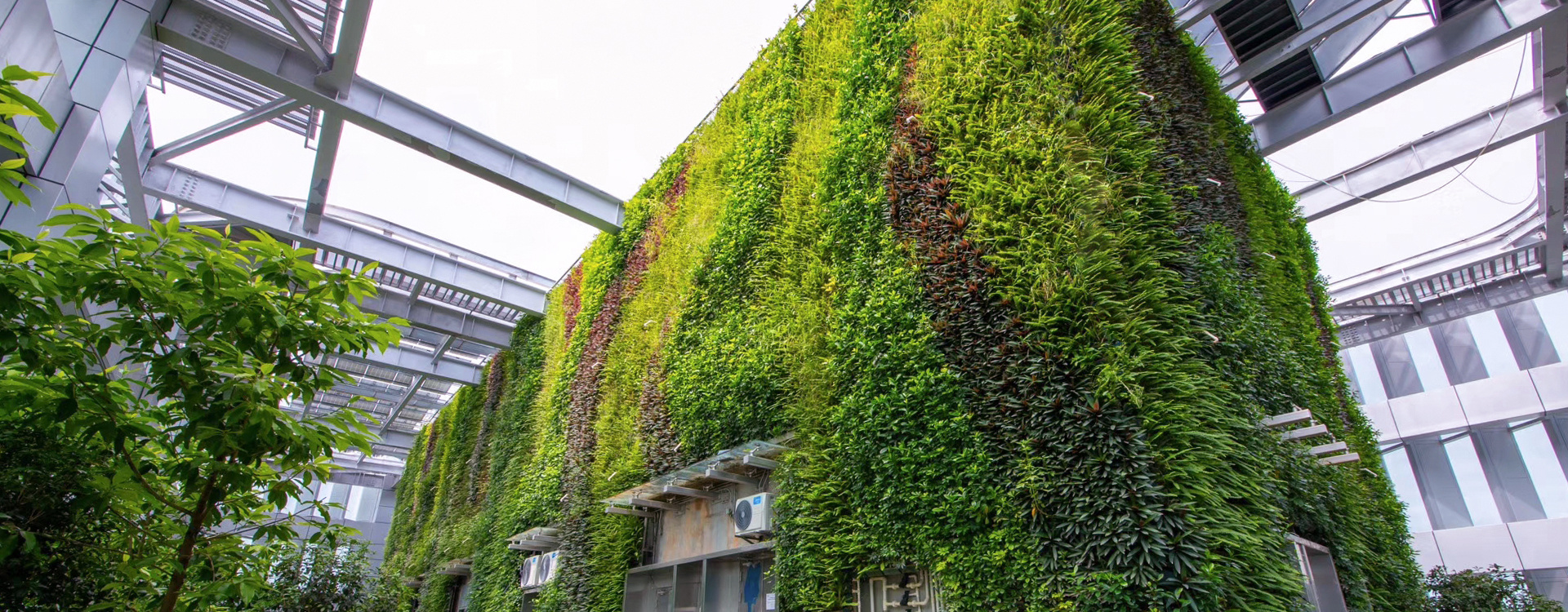
Maximizing Space: The Benefits and Techniques of Vertical Planting
Release time:
2025-03-23 11:00
Vertical planting has become increasingly popular among gardeners and urban dwellers alike, primarily due to the benefits it offers in maximizing space and enhancing visual appeal. This method involves growing plants in a vertical arrangement rather than in traditional horizontal layouts, allowing for efficient use of limited area, making it ideal for urban settings or small gardens.
One of the key advantages of vertical planting is its ability to increase plant growth in a confined space. By utilizing walls, trellises, and other vertical surfaces, gardeners can cultivate a variety of plants—such as herbs, vegetables, and flowers—without requiring extensive garden beds. This method not only optimizes the use of available space but also improves air circulation and sunlight exposure for the plants, which can lead to healthier growth and higher yields.
Vertical planting also has ecological benefits. By incorporating plants into vertical spaces, you can contribute to urban biodiversity, providing habitats for various insects and birds. This method can also help reduce urban heat by cooling the environment and improving air quality. Furthermore, vertical gardens can be designed to incorporate a variety of plants that promote pollinators, playing a crucial role in supporting healthy ecosystems.
When it comes to techniques for vertical planting, there are several options to consider. One of the most popular methods is using wall-mounted planters or pockets that can hold soil and plants. These can be made from materials like felt or recycled plastics and can be easily installed on walls or fences. Another common technique is building or purchasing trellises and grids to support climbing plants such as tomatoes, cucumbers, or beans. This allows the plants to grow upwards, optimizing the footprint of your garden space.
Additionally, vertical planting can be integrated into existing outdoor furniture, such as vertical planters built into railings or side tables. This creative approach enhances the beauty of your space while providing additional opportunities for growing plants.
In conclusion, vertical planting is an innovative and practical solution for those looking to make the most out of their gardening spaces. By understanding its benefits and exploring various techniques, you can transform any small area into a flourishing vertical garden. Whether you’re a seasoned gardener or a novice looking to start your green journey, embracing vertical planting can lead to a thriving and vibrant environment that enhances your home and lifestyle.
vertical planting
Related News

Tel : 086-769-28334884
Phone : 086-136-2002-9145
Address : Building C, Xiaqiao Industrial Park, Dongcheng District, Dongguan City, Guangdong Province
Copyright © 2024 Dongguan Mengyuan Environmental Technology Co., Ltd.