



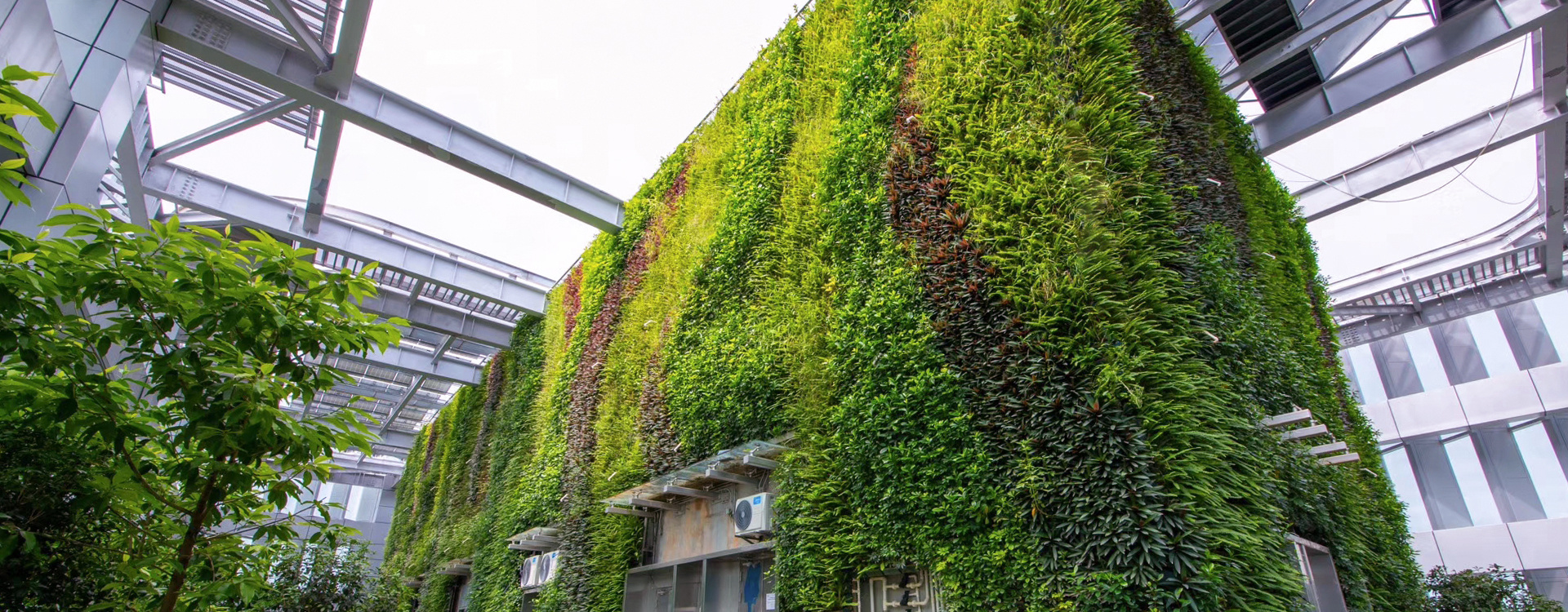
Transforming Urban Spaces: The Benefits of Green Roof Planters
Release time:
2024-12-03 10:00
In recent years, green roof planters have emerged as a vital component in sustainable urban landscaping. These innovative systems not only beautify buildings but also provide a plethora of environmental and economic benefits. By integrating greenery into the architecture, urban planners and gardeners can contribute to ecological balance, even in densely populated areas.
One of the most significant advantages of green roof planters is their ability to manage stormwater. Traditional urban environments often struggle with excessive runoff, leading to increased flooding and erosion. Green roof planters help combat this issue by absorbing rainwater and reducing the volume of runoff that enters drainage systems. This natural filtration process not only mitigates flooding risks but also helps improve water quality by filtering out pollutants.
In addition to managing stormwater, green roof planters play a pivotal role in enhancing biodiversity within urban settings. They create habitats for various species, including birds, insects, and small mammals, which are often displaced by urban development. By providing a sanctuary for wildlife, these planters contribute to a more balanced ecosystem and promote urban biodiversity.
Moreover, green roof planters can significantly improve air quality. Plants absorb carbon dioxide and release oxygen, helping to reduce the urban heat island effect commonly seen in cities. The cooling effect of the vegetation can lead to lower energy costs for buildings, as it reduces the need for air conditioning during hot months. Additionally, the presence of plants can filter airborne pollutants, resulting in cleaner air for residents and workers.
From an aesthetic perspective, green roof planters enhance the visual appeal of buildings and urban spaces. They create tranquil environments that can be enjoyed by residents and visitors alike. These green spaces can also serve as community gardens, promoting social interaction and community engagement in urban areas. Incorporating green elements into the urban landscape can transform mundane concrete structures into vibrant, inviting spaces.
Adopting green roof planters also aligns with sustainable development goals. By promoting green infrastructure, cities can work towards reducing their carbon footprint and fostering a healthier environment. The integration of these planters can lead to innovative design solutions and sustainable practices within the horticulture and landscaping industries.
In conclusion, green roof planters represent an essential innovation for modern urban environments. They offer numerous benefits, such as managing stormwater, enhancing biodiversity, improving air quality, and beautifying spaces. As cities continue to grow, incorporating green roof planters into urban planning can pave the way for a more sustainable and livable future. By embracing these systems, we can cultivate greener cities that thrive both ecologically and economically.
One of the most significant advantages of green roof planters is their ability to manage stormwater. Traditional urban environments often struggle with excessive runoff, leading to increased flooding and erosion. Green roof planters help combat this issue by absorbing rainwater and reducing the volume of runoff that enters drainage systems. This natural filtration process not only mitigates flooding risks but also helps improve water quality by filtering out pollutants.
In addition to managing stormwater, green roof planters play a pivotal role in enhancing biodiversity within urban settings. They create habitats for various species, including birds, insects, and small mammals, which are often displaced by urban development. By providing a sanctuary for wildlife, these planters contribute to a more balanced ecosystem and promote urban biodiversity.
Moreover, green roof planters can significantly improve air quality. Plants absorb carbon dioxide and release oxygen, helping to reduce the urban heat island effect commonly seen in cities. The cooling effect of the vegetation can lead to lower energy costs for buildings, as it reduces the need for air conditioning during hot months. Additionally, the presence of plants can filter airborne pollutants, resulting in cleaner air for residents and workers.
From an aesthetic perspective, green roof planters enhance the visual appeal of buildings and urban spaces. They create tranquil environments that can be enjoyed by residents and visitors alike. These green spaces can also serve as community gardens, promoting social interaction and community engagement in urban areas. Incorporating green elements into the urban landscape can transform mundane concrete structures into vibrant, inviting spaces.
Adopting green roof planters also aligns with sustainable development goals. By promoting green infrastructure, cities can work towards reducing their carbon footprint and fostering a healthier environment. The integration of these planters can lead to innovative design solutions and sustainable practices within the horticulture and landscaping industries.
In conclusion, green roof planters represent an essential innovation for modern urban environments. They offer numerous benefits, such as managing stormwater, enhancing biodiversity, improving air quality, and beautifying spaces. As cities continue to grow, incorporating green roof planters into urban planning can pave the way for a more sustainable and livable future. By embracing these systems, we can cultivate greener cities that thrive both ecologically and economically.
Green Roof Planter
Related News

Tel : 086-769-28334884
Phone : 086-136-2002-9145
Address : Building C, Xiaqiao Industrial Park, Dongcheng District, Dongguan City, Guangdong Province
Copyright © 2024 Dongguan Mengyuan Environmental Technology Co., Ltd.
business license