



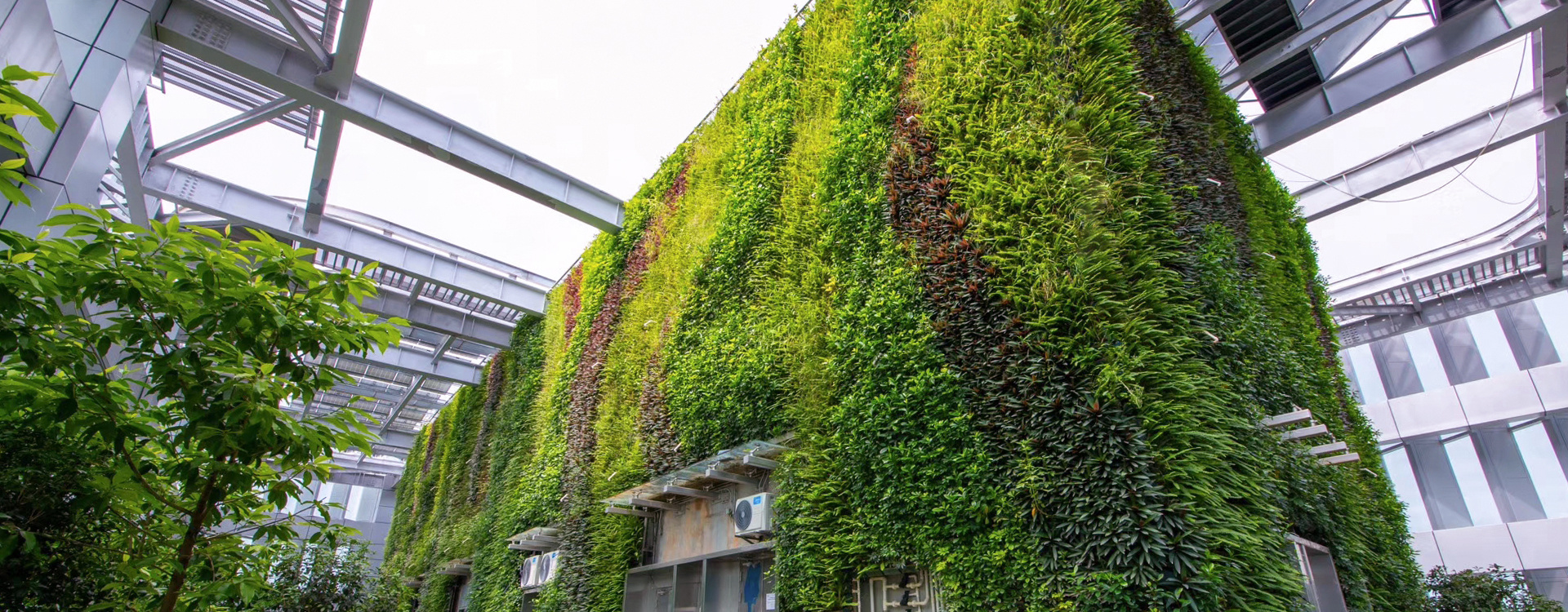
Transform Your Space with Vertical Garden Pots: A Beginner's Guide
Release time:
2024-12-15 11:20
Transform Your Space with Vertical Garden Pots: A Beginner's Guide
Table of Contents
- 1. What Are Vertical Garden Pots?
- 2. Benefits of Vertical Gardening
- 3. Choosing the Right Vertical Garden Pots
- 4. Design Ideas for Vertical Gardens
- 5. Plant Selection for Vertical Pots
- 6. Care and Maintenance of Vertical Gardens
- 7. Common Mistakes to Avoid in Vertical Gardening
- 8. FAQs About Vertical Gardening
- 9. Conclusion
1. What Are Vertical Garden Pots?
Vertical garden pots are innovative gardening solutions designed to maximize space while enhancing aesthetic appeal. These pots can be stacked, hung, or mounted to walls, allowing you to create a lush, green environment even in limited spaces. Perfect for urban dwellers and those with smaller backyards, vertical garden pots encourage vertical growth, making them an ideal choice for a variety of plants, including herbs, flowers, and vegetables.
2. Benefits of Vertical Gardening
Vertical gardening offers numerous benefits, making it an attractive option for both novice and experienced gardeners.
Space Efficiency
One of the most significant advantages of vertical gardening is its ability to optimize space. By utilizing vertical space, you can grow numerous plants in a small area, making it perfect for balconies, patios, or even small yards.
Improved Air Circulation
Vertical gardens promote better air circulation, reducing the risk of plant diseases and pests. This benefits both plant health and overall garden productivity.
Enhanced Aesthetic Appeal
Creating a vertical garden adds visual interest to any space. Lush greenery can soften hard surfaces and create a dramatic focal point.
Accessibility
Vertical garden pots are easier to access, especially for those with mobility issues. Elevated pots can reduce the need for bending and kneeling, making gardening more enjoyable.
Environmental Benefits
Vertical gardens can improve air quality, reduce heat, and help with urban biodiversity. They are also an excellent way to contribute to sustainable practices.
3. Choosing the Right Vertical Garden Pots
Selecting the right vertical garden pots is crucial for the success of your garden. Here are vital factors to consider:
Material
Vertical garden pots can be made from various materials, including plastic, ceramic, wood, and metal. Each has its advantages and disadvantages regarding weight, durability, and aesthetics.
Size and Capacity
Consider the size of the pots based on the plants you intend to grow. Larger pots can accommodate bigger plants but may be challenging to manage in smaller spaces.
Drainage
Proper drainage is essential for healthy plant growth. Ensure that the pots have sufficient drainage holes to prevent waterlogging.
Weight
Keep in mind the weight of the pots when filled with soil and plants. If you are mounting them on walls or hanging them, ensure that your support structure can handle the weight.
4. Design Ideas for Vertical Gardens
Creating a stunning vertical garden requires creativity and planning. Here are some inspiring design ideas to get you started:
Wall-Mounted Planters
Utilize wall-mounted planters to create a living wall. These can be arranged in various patterns for a unique look, allowing you to display plants in creative configurations.
Tiered Stacking Planters
Tiered stacking planters are great for growing herbs or flowers. They create a cascading effect, making it easy to access each level while providing ample sunlight to all plants.
Hanging Gardens
Hanging pots can transform a simple patio or balcony into a vibrant escape. Use a variety of pot sizes and colors to create a lively display.
Pallet Gardens
Repurpose wooden pallets into vertical garden frames. Fill the gaps with soil and plants to achieve a rustic yet modern look.
5. Plant Selection for Vertical Pots
Choosing the right plants is crucial for a successful vertical garden. Consider the following types of plants:
Herbs
Herbs such as basil, mint, and chives thrive in vertical garden pots. They require minimal space and are perfect for culinary enthusiasts.
Flowers
Brighten your vertical garden with flowers like petunias, violets, and nasturtiums. Their colorful blooms can add beauty and attract pollinators.
Vegetables
Growing vegetables like lettuce, spinach, and strawberries in vertical pots can yield fresh produce without taking up much ground space.
Succulents
Succulents are ideal for vertical gardens due to their low water requirements and unique shapes. They allow for creative arrangements and minimal maintenance.
6. Care and Maintenance of Vertical Gardens
Maintaining a vertical garden requires some regular care but can be manageable with proper planning.
Watering
Ensure your plants receive adequate water based on their specific needs. Vertical pots might dry out faster, so monitor moisture levels closely.
Fertilization
Regular fertilization will help your plants thrive. Use a balanced fertilizer appropriate for the types of plants in your vertical garden.
Pest Control
Keep an eye out for pests. Use organic pest control methods to minimize any damage and maintain a healthy garden.
Pruning
Regular pruning encourages healthy growth and prevents overcrowding. Remove dead leaves and spent flowers to keep your garden looking its best.
7. Common Mistakes to Avoid in Vertical Gardening
Avoiding common pitfalls will help you establish and maintain a thriving vertical garden.
Ignoring Drainage
Neglecting proper drainage can lead to root rot. Always ensure your vertical pots have ample drainage to keep plants healthy.
Overcrowding Plants
While it may be tempting to fit as many plants as possible, overcrowding can stunt growth and promote disease. Give each plant enough space to flourish.
Choosing Incompatible Plants
Selecting plants with vastly different care requirements can lead to challenges. Group plants with similar needs to simplify maintenance.
Neglecting Sunlight Needs
Every plant has specific sunlight requirements. Be mindful of the amount of sunlight each plant receives within your vertical garden.
8. FAQs About Vertical Gardening
1. Can I grow vegetables in vertical garden pots?
Yes, many vegetables, such as lettuce, spinach, and strawberries, thrive in vertical pots. Choose varieties that have compact growth habits.
2. How do I water my vertical garden?
Water your vertical garden based on the needs of the plants. Use a watering can or a drip irrigation system for even moisture distribution.
3. Can vertical gardens be indoor?
Absolutely! Vertical gardens can be created indoors using appropriate lighting and care to support plant growth.
4. What are the best materials for vertical garden pots?
Common materials include plastic, ceramic, wood, and metal. Choose based on aesthetics, weight, and durability.
5. How do I prevent pests in my vertical garden?
Monitor your plants regularly and use organic pest control methods, such as insecticidal soap or neem oil, to prevent infestations.
9. Conclusion
Vertical gardening offers a unique and visually appealing way to transform your space, regardless of the size. Whether you're an urban dweller with limited outdoor space or simply someone looking to add greenery to your home, vertical garden pots provide endless opportunities for creativity and sustainability. By understanding what vertical garden pots are, the benefits they offer, how to choose the right ones, and the essential care they require, you can embark on your gardening journey with confidence. Embrace the beauty of vertical gardening and start cultivating your green sanctuary today!
vertical garden pots
Related News

Tel : 086-769-28334884
Phone : 086-136-2002-9145
Address : Building C, Xiaqiao Industrial Park, Dongcheng District, Dongguan City, Guangdong Province
Copyright © 2024 Dongguan Mengyuan Environmental Technology Co., Ltd.
business license