



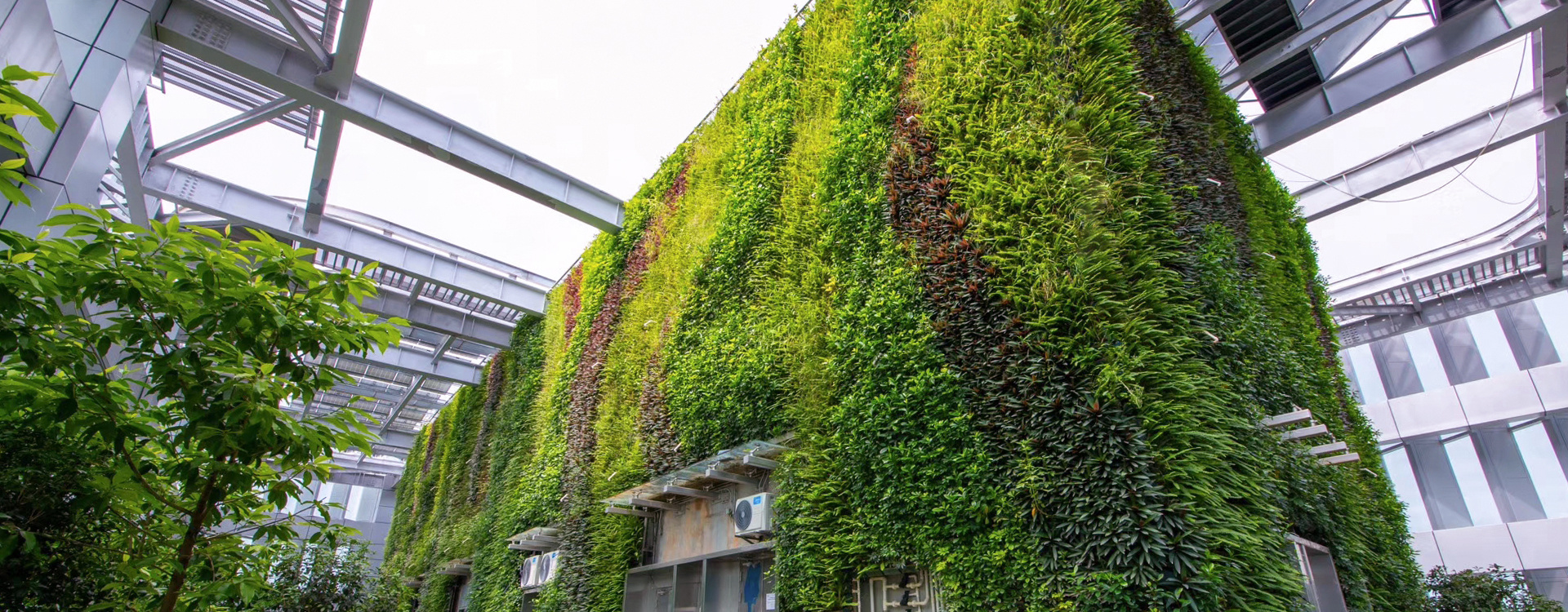
Elevate Your Garden: The Benefits of Using Vertical Wall Planters
Release time:
2024-12-19 10:01
Elevate Your Garden: The Benefits of Using Vertical Wall Planters
Table of Contents
1. Introduction to Vertical Wall Planters
2. The Advantages of Vertical Gardening
2.1 Space Optimization
2.2 Aesthetic Appeal
2.3 Improved Plant Health
3. Types of Vertical Wall Planters
3.1 Wall-Mounted Planters
3.2 Vertical Garden Kits
3.3 Pocket Planters
3.4 Trellis Systems
4. Choosing the Right Plants for Your Vertical Wall Planter
4.1 Herbs and Vegetables
4.2 Flowering Plants
4.3 Succulents and Cacti
5. Setting Up Your Vertical Wall Planter
5.1 Selecting the Ideal Location
5.2 Installation Tips
6. Maintenance Tips for Vertical Wall Planters
7. Common Challenges and Solutions
8. Conclusion
9. FAQs
1. Introduction to Vertical Wall Planters
Vertical wall planters have revolutionized the way we think about gardening, offering innovative solutions for maximizing space while enhancing the beauty of our surroundings. This gardening method allows individuals with limited outdoor areas or urban dwellers to cultivate a lush green environment in a compact format. In this article, we will delve into the myriad benefits of vertical wall planters, equipping you with the knowledge to elevate your gardening game.
2. The Advantages of Vertical Gardening
The benefits of vertical gardening extend beyond mere aesthetics. Here, we explore some of the significant advantages that vertical wall planters provide.
2.1 Space Optimization
For those with limited gardening space, vertical wall planters are a game-changer. They utilize vertical space efficiently, allowing gardeners to grow a variety of plants without occupying precious ground area. By transforming walls into lush green canvases, you can cultivate herbs, vegetables, and flowers even in the tiniest of balconies or backyards.
2.2 Aesthetic Appeal
Vertical wall planters add a unique touch to any space, enhancing the visual appeal of your home or garden. Whether you opt for a sleek modern design or a rustic look, these planters can be styled to match your personal taste. A wall adorned with vibrant greenery not only serves as a beautiful backdrop but also creates a calming atmosphere, transforming your living space into a serene oasis.
2.3 Improved Plant Health
Plants grown in vertical wall planters often experience better air circulation and sunlight exposure compared to those in traditional garden beds. This ideal environment promotes healthier growth and reduces the risk of pests and diseases. Moreover, vertical planters can facilitate better drainage, preventing waterlogged roots and promoting robust plant health.
3. Types of Vertical Wall Planters
Understanding the different types of vertical wall planters available will help you make an informed choice. Here are some popular options:
3.1 Wall-Mounted Planters
Wall-mounted planters are attached directly to the wall and come in various designs and materials, from metal to wood. They can accommodate a range of plants, making them versatile for any gardener.
3.2 Vertical Garden Kits
Vertical garden kits are comprehensive solutions that often include planters, irrigation systems, and installation instructions. These kits streamline the process, making it easier for beginners to get started.
3.3 Pocket Planters
Pocket planters feature fabric or felt pockets that allow you to grow plants directly into them. They are lightweight, easy to hang, and ideal for growing herbs and small flowers.
3.4 Trellis Systems
Trellis systems are great for climbing plants and vines. These planters allow plants to grow vertically while providing support for their growth, adding height and depth to your garden.
4. Choosing the Right Plants for Your Vertical Wall Planter
Selecting the appropriate plants is crucial for the success of your vertical wall garden. Here’s a guide to help you choose:
4.1 Herbs and Vegetables
Herbs like basil, thyme, and mint thrive in vertical planters and can be easily harvested for culinary use. Additionally, compact vegetable varieties, such as cherry tomatoes and peppers, also perform well in these setups.
4.2 Flowering Plants
Flowering plants, such as petunias and fuchsias, offer vibrant colors and fragrances. They can create stunning displays and attract pollinators, enhancing the biodiversity of your garden.
4.3 Succulents and Cacti
For those who prefer low-maintenance options, succulents and cacti are perfect candidates. These drought-resistant plants thrive in vertical gardens and require minimal care.
5. Setting Up Your Vertical Wall Planter
Setting up your vertical wall planter can be a rewarding experience, and knowing the right steps can make the process seamless.
5.1 Selecting the Ideal Location
Choose a location that receives adequate sunlight, considering the specific light requirements of the plants you intend to grow. South or southwest-facing walls are often ideal for most plants.
5.2 Installation Tips
Follow the manufacturer's instructions for installation. Ensure that your wall can support the weight of the planter when filled with soil and plants. Use appropriate anchors and screws for secure attachment.
6. Maintenance Tips for Vertical Wall Planters
Maintaining your vertical garden is essential to ensure its longevity and health. Here are some maintenance tips:
- **Watering**: Regularly check the moisture level in your planters. Vertical gardens can dry out quicker than traditional gardens, so consistent watering is necessary.
- **Fertilization**: Use a balanced fertilizer to supply essential nutrients to your plants. Liquid fertilizers work well for vertical gardens.
- **Pruning**: Regularly prune your plants to encourage healthy growth and prevent overcrowding. This practice also enhances air circulation.
7. Common Challenges and Solutions
While vertical gardening is rewarding, it can come with challenges. Here are some common issues and their solutions:
- **Drying Out**: Vertical wall planters can dry out quickly. To mitigate this, consider using self-watering planters or adding a drip irrigation system.
- **Pests**: Keep an eye out for pests such as aphids and spider mites. Use organic insecticidal soap or neem oil as a natural remedy.
- **Weight Concerns**: As plants grow, their weight can increase significantly. Ensure that the structure is sturdy and capable of supporting the added weight.
8. Conclusion
In summary, vertical wall planters offer an innovative and aesthetically pleasing solution for maximizing gardening space. They provide numerous benefits, including efficient use of space, enhanced aesthetics, and improved plant health. By selecting the right planter type and plants, you can create a vibrant vertical garden that brings joy and beauty to your home. Embrace the art of vertical gardening, and elevate your garden to new heights.
9. FAQs
Q1: Can I grow vegetables in vertical wall planters?
A1: Yes, many compact vegetable varieties, such as cherry tomatoes and peppers, are well-suited for vertical wall planters.
Q2: How often should I water my vertical wall planter?
A2: Vertical wall planters often dry out faster than traditional gardens, so check moisture levels regularly and water as needed.
Q3: What types of plants are best for beginners?
A3: Herbs like basil and mint, as well as easy-to-care-for flowering plants, are excellent choices for beginners.
Q4: Do vertical wall planters require a lot of maintenance?
A4: While they need regular watering and fertilization, many vertical wall planters can be low-maintenance depending on the plants chosen.
Q5: Can I use any wall for vertical gardening?
A5: While most walls can support vertical planters, ensure the wall is structurally sound and gets adequate sunlight for the plants you choose.
Vertical Wall Planter
Related News

Tel : 086-769-28334884
Phone : 086-136-2002-9145
Address : Building C, Xiaqiao Industrial Park, Dongcheng District, Dongguan City, Guangdong Province
Copyright © 2024 Dongguan Mengyuan Environmental Technology Co., Ltd.
business license