



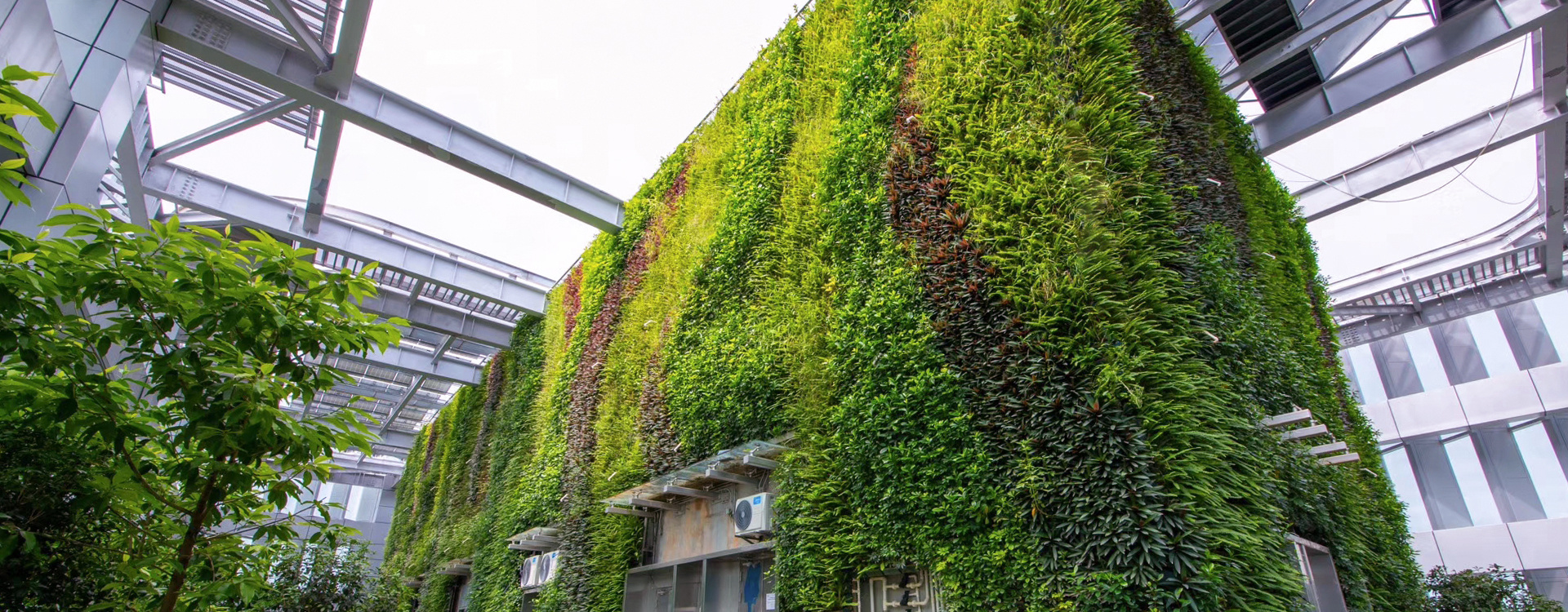
Discover the Transformative Benefits of Hydroponic Growing Systems for Your Garden
Release time:
2024-12-23 10:20
Discover the Transformative Benefits of Hydroponic Growing Systems for Your Garden
In recent years, gardening enthusiasts and commercial growers alike have turned their attention toward **hydroponic growing systems**. This innovative method allows individuals to cultivate plants without traditional soil, resulting in numerous advantages that can optimize plant growth and resource use. In this article, we will explore the many benefits of hydroponic systems, how to set one up, and address common questions regarding this sustainable gardening technique.
Table of Contents
- 1. Understanding Hydroponics: A Brief Overview
- 2. The Benefits of Hydroponic Growing Systems
- 2.1 Space-Saving Solutions
- 2.2 Water Efficiency and Conservation
- 2.3 Faster Plant Growth
- 2.4 Pest and Disease Management
- 2.5 Year-Round Growing Opportunities
- 3. How to Set Up a Hydroponic System
- 3.1 Choosing the Right Hydroponic System
- 3.2 Essential Equipment for Hydroponics
- 3.3 Maintaining Your Hydroponic System
- 4. Common Questions About Hydroponics
- 5. Conclusion
1. Understanding Hydroponics: A Brief Overview
Hydroponics refers to the method of growing plants without soil, using nutrient-rich water instead. This technique allows for the cultivation of a wide variety of plants by delivering essential nutrients directly to the roots, promoting optimal growth conditions. With a growing focus on sustainability and efficient resource use, hydroponics has gained popularity as an effective solution for both home gardeners and commercial agricultural producers.
2. The Benefits of Hydroponic Growing Systems
Hydroponic systems offer several unique advantages that make them a preferred choice for modern gardeners. Below, we delve into the specific benefits that hydroponics can provide.
2.1 Space-Saving Solutions
One of the most significant benefits of hydroponic growing systems is their ability to conserve space. Traditional gardening often requires expansive plots of land, while hydroponic systems can be set up vertically or in compact arrangements. This makes them ideal for urban gardeners with limited space, allowing individuals to grow fresh produce in balconies, rooftops, or small backyards.
2.2 Water Efficiency and Conservation
Water conservation is a pressing concern in agriculture, and hydroponic systems excel in this area. By using a closed-loop system, hydroponics recirculates water, significantly reducing the amount required for plant growth. Studies have shown that hydroponic systems can use up to **90% less water** than traditional soil-based gardening, making them an environmentally friendly choice for conscientious gardeners.
2.3 Faster Plant Growth
Plants grown in hydroponic systems often experience faster growth rates compared to those cultivated in soil. The direct delivery of nutrients and optimal environmental conditions lead to increased nutrient uptake and accelerated growth. Many gardeners report that their crops mature **25% to 50% faster** in hydroponic systems, allowing for more frequent harvests and increased yields throughout the growing season.
2.4 Pest and Disease Management
Hydroponic systems help reduce the risk of pests and diseases associated with soil gardening. The absence of soil minimizes the chances of soil-borne pathogens, and many hydroponic setups can be easily enclosed to protect plants from external pests. Additionally, since hydroponic systems often use sterile mediums or inert substrates, the need for chemical pesticides is significantly diminished.
2.5 Year-Round Growing Opportunities
Hydroponics allows for year-round cultivation, regardless of external weather conditions. With controlled environments, gardeners can adjust temperature, humidity, and lighting to suit the needs of various crops. This adaptability enables the growth of a wider range of plants, including those that may not thrive in certain climates. As a result, hydroponics can provide fresh produce throughout the year, improving food security and access.
3. How to Set Up a Hydroponic System
Setting up a hydroponic system can seem daunting, but with some preparation and knowledge, it can be a straightforward process. Below, we outline key steps for establishing a successful hydroponic garden.
3.1 Choosing the Right Hydroponic System
There are several types of hydroponic systems available, each with its own advantages and challenges. Some popular options include:
- **Nutrient Film Technique (NFT)**: In NFT systems, a thin film of nutrient-rich water continuously flows over plant roots, providing essential nutrients and oxygen.
- **Deep Water Culture (DWC)**: DWC systems suspend plant roots in a nutrient solution, allowing for rapid growth and easy maintenance.
- **Aeroponics**: This method uses a misting system to deliver nutrients to plant roots, providing excellent oxygenation and rapid growth.
- **Ebb and Flow (Flood and Drain)**: Ebb and Flow systems periodically flood the growing area with nutrient solution, then drain it back, ensuring that plant roots receive both water and air.
When selecting a system, consider factors such as available space, budget, and the types of plants you wish to grow.
3.2 Essential Equipment for Hydroponics
To successfully establish a hydroponic system, you will need the following essential equipment:
- **Growing Containers**: Choose containers appropriate for your selected system, such as net pots or trays.
- **Growing Medium**: While hydroponics does not require soil, you will need an inert growing medium like rock wool, clay pellets, or coconut coir.
- **Nutrient Solution**: Use a balanced hydroponic nutrient solution that provides essential macro and micronutrients for plant growth.
- **Water Pump**: For systems that require water circulation, a reliable water pump is crucial for maintaining nutrient flow.
- **Lighting**: If growing indoors or without sufficient natural light, consider using grow lights to supplement plant growth.
3.3 Maintaining Your Hydroponic System
Once your hydroponic system is set up, proper maintenance is essential for ensuring optimal plant growth. Key maintenance tasks include:
- **Monitoring pH Levels**: Regularly check and adjust the pH of your nutrient solution to ensure optimal nutrient absorption.
- **Changing the Nutrient Solution**: Refresh the nutrient solution every two to three weeks to prevent the buildup of toxins and ensure plants receive essential nutrients.
- **Cleaning Equipment**: Periodically clean your system components to prevent algae growth and maintain system efficiency.
4. Common Questions About Hydroponics
**Q1: What plants can be grown using hydroponics?**
A1: Hydroponics can be used to grow a wide variety of plants, including leafy greens, herbs, strawberries, tomatoes, and peppers. Some systems are even suitable for larger fruiting plants, such as cucumbers and melons.
**Q2: Is hydroponic produce safe to eat?**
A2: Yes, hydroponically grown produce is safe to eat as long as proper hygiene and growing practices are followed. Many hydroponic systems reduce the need for chemical pesticides, resulting in clean, safe produce.
**Q3: How much does it cost to set up a hydroponic system?**
A3: The cost of setting up a hydroponic system can vary widely, depending on the type of system, the scale of your operation, and the equipment used. Home systems can be established for a few hundred dollars, while larger commercial systems can cost several thousand.
**Q4: Do I need prior gardening experience to start hydroponics?**
A4: While prior gardening experience can be beneficial, it is not necessary to start with hydroponics. Many resources are available to help beginners understand the fundamentals of hydroponic gardening.
**Q5: How do I prevent algae growth in my hydroponic system?**
A5: To prevent algae growth, ensure that your system is light-proof, maintain proper nutrient levels, and regularly clean your equipment. Additionally, consider using darker-colored containers that reduce light penetration.
5. Conclusion
Hydroponic growing systems represent a revolutionary approach to gardening, offering numerous benefits that cater to modern sustainability practices and resource conservation. By providing space-saving solutions, improving water efficiency, accelerating plant growth, and minimizing pest and disease risks, hydroponics stands out as an ideal method for both home gardeners and commercial producers. With the right setup, equipment, and maintenance practices, anyone can unlock the potential of hydroponic gardening and enjoy fresh, homegrown produce year-round. Now is the time to explore the transformative benefits of hydroponic growing systems for your garden.
hydroponic growing systems
Related News

Tel : 086-769-28334884
Phone : 086-136-2002-9145
Address : Building C, Xiaqiao Industrial Park, Dongcheng District, Dongguan City, Guangdong Province
Copyright © 2024 Dongguan Mengyuan Environmental Technology Co., Ltd.
business license