



Unlocking the Future of Agriculture: The Role of Hydroponics System Suppliers
Release time:
2025-02-04 17:00
Hydroponics is an innovative agricultural method that allows plants to grow in a nutrient-rich solution instead of traditional soil. This technique has gained immense popularity in recent years, largely due to its numerous benefits including faster growth rates, reduced need for pesticides, and the ability to cultivate crops in urban areas with limited space. As a result, the demand for hydroponics system suppliers is on the rise, as they provide the essential equipment and technology needed to implement these systems effectively.
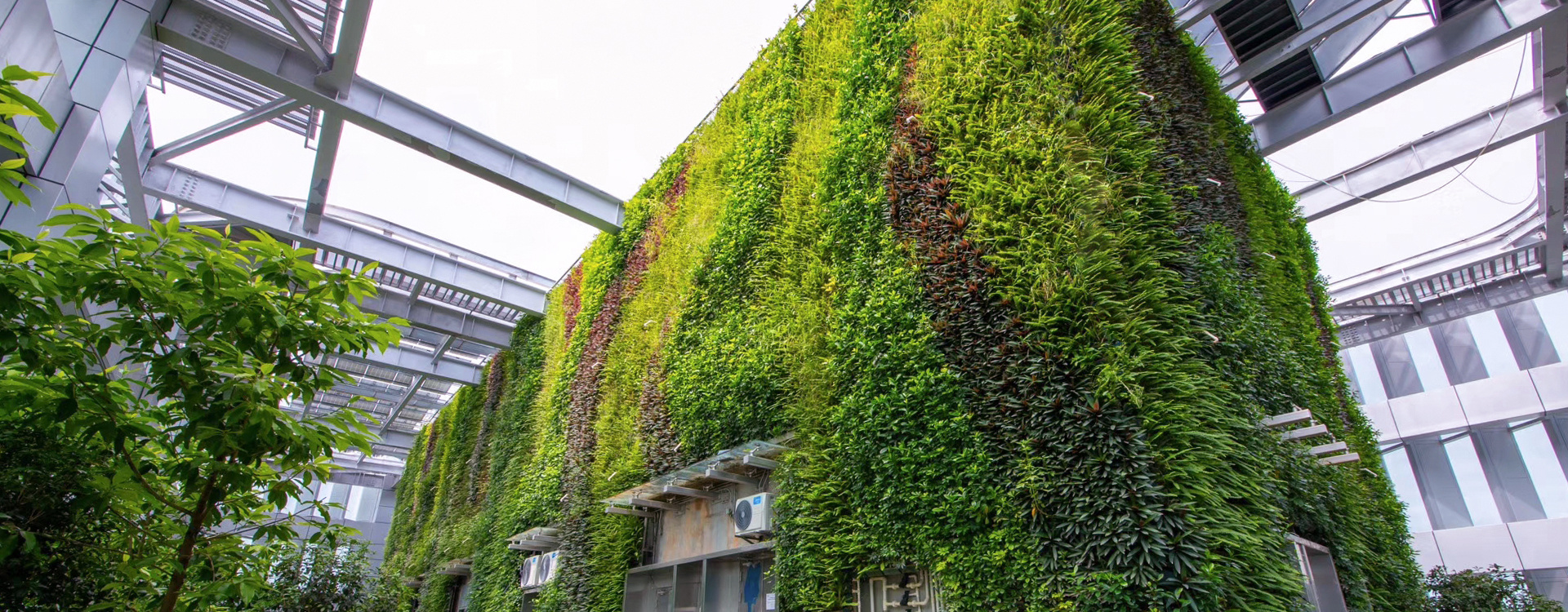
One of the key advantages of hydroponics is its ability to optimize space usage. In conventional farming, land availability can be a limiting factor. Hydroponic systems can be set up vertically or in compact spaces, allowing urban farmers to utilize rooftops, basements, or even warehouses. This means that food can be grown closer to where it is consumed, reducing transportation costs and carbon emissions associated with long-distance food distribution.
Another significant benefit of hydroponics is the control it offers over the growing environment. Hydroponics system suppliers can provide advanced systems that regulate light, temperature, and nutrient levels, ensuring that plants receive the ideal conditions for growth. This level of control not only enhances yield but also improves the quality of the produce. For many growers, this means the ability to harvest crops year-round, regardless of outdoor weather conditions.
Moreover, hydroponics is recognized for its efficient use of resources. Compared to traditional farming methods, hydroponics systems use significantly less water. This is particularly important in regions facing water scarcity. By recycling water within the system, hydroponics minimizes waste and promotes sustainable farming practices. Suppliers often provide systems designed to maximize water efficiency, making them a vital resource for eco-conscious growers.
Hydroponics also minimizes the risk of soil-borne diseases, which can devastate traditional crops. Since plants are not grown in soil, they are less susceptible to pests and diseases that thrive in the ground. This can lead to reduced reliance on chemical pesticides, contributing to a healthier environment and safer food.
In conclusion, as the agricultural industry evolves, hydroponics system suppliers are at the forefront of this transformation. They offer the technology and expertise needed to implement these systems effectively, opening up new possibilities for food production. Whether you're an aspiring urban farmer or an established grower looking to innovate, exploring the offerings of hydroponics system suppliers can lead to exciting opportunities for sustainable and efficient agriculture. Understanding the benefits of hydroponics illustrates why this method is increasingly vital in meeting the global demand for food in a rapidly changing world.
One of the key advantages of hydroponics is its ability to optimize space usage. In conventional farming, land availability can be a limiting factor. Hydroponic systems can be set up vertically or in compact spaces, allowing urban farmers to utilize rooftops, basements, or even warehouses. This means that food can be grown closer to where it is consumed, reducing transportation costs and carbon emissions associated with long-distance food distribution.
Another significant benefit of hydroponics is the control it offers over the growing environment. Hydroponics system suppliers can provide advanced systems that regulate light, temperature, and nutrient levels, ensuring that plants receive the ideal conditions for growth. This level of control not only enhances yield but also improves the quality of the produce. For many growers, this means the ability to harvest crops year-round, regardless of outdoor weather conditions.
Moreover, hydroponics is recognized for its efficient use of resources. Compared to traditional farming methods, hydroponics systems use significantly less water. This is particularly important in regions facing water scarcity. By recycling water within the system, hydroponics minimizes waste and promotes sustainable farming practices. Suppliers often provide systems designed to maximize water efficiency, making them a vital resource for eco-conscious growers.
Hydroponics also minimizes the risk of soil-borne diseases, which can devastate traditional crops. Since plants are not grown in soil, they are less susceptible to pests and diseases that thrive in the ground. This can lead to reduced reliance on chemical pesticides, contributing to a healthier environment and safer food.
In conclusion, as the agricultural industry evolves, hydroponics system suppliers are at the forefront of this transformation. They offer the technology and expertise needed to implement these systems effectively, opening up new possibilities for food production. Whether you're an aspiring urban farmer or an established grower looking to innovate, exploring the offerings of hydroponics system suppliers can lead to exciting opportunities for sustainable and efficient agriculture. Understanding the benefits of hydroponics illustrates why this method is increasingly vital in meeting the global demand for food in a rapidly changing world.
hydroponics system supplier
Related News

Tel : 086-769-28334884
Phone : 086-136-2002-9145
Address : Building C, Xiaqiao Industrial Park, Dongcheng District, Dongguan City, Guangdong Province
Copyright © 2024 Dongguan Mengyuan Environmental Technology Co., Ltd.
business license