



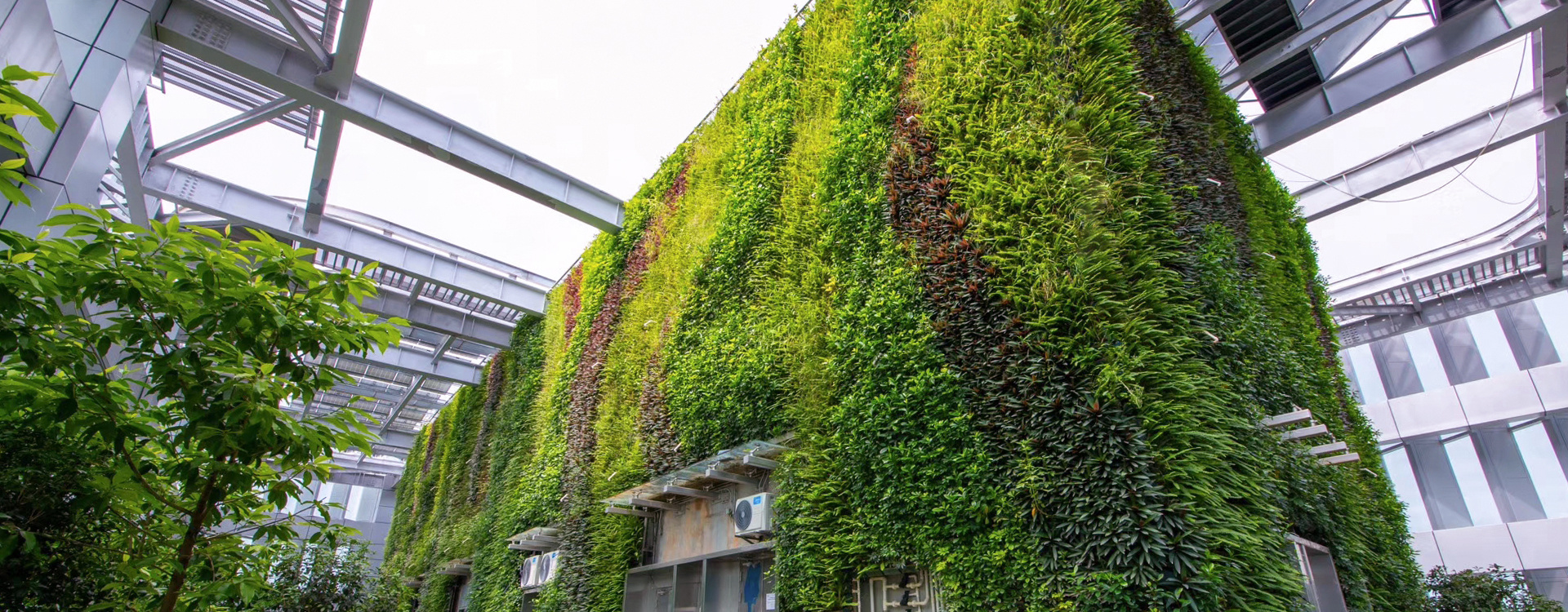
Unlocking Potential: The Future of Green Roof Planter Factories
Release time:
2025-11-03 12:10
Green Roof Planter factories represent a rapidly growing segment within the agriculture and horticulture industry, particularly in the production of innovative planting solutions that promote sustainability and urban greening. As cities continue to expand, the need for effective green space management grows, making these factories integral to modern urban development.
The primary function of a Green Roof Planter factory is to produce specialized containers that support vegetative roofs, which are not only aesthetically pleasing but also provide numerous environmental benefits. These planters are designed to retain moisture, reduce heat, and improve air quality, making them essential for urban areas where green space is limited.
When considering the establishment of a Green Roof Planter factory, it’s crucial to focus on several key aspects. First, the selection of materials plays a vital role in creating durable and efficient planters. Eco-friendly materials that are lightweight yet robust will help ensure the longevity of the planters while aligning with the sustainable ethos of green roofing. Additionally, utilizing recycled materials can significantly reduce the carbon footprint associated with production.
Innovation in design is another important factor. Modern Green Roof Planters must accommodate a variety of plant species, including succulents, grasses, and flowering plants. Factories should prioritize modular designs that allow for flexibility in planting arrangements, enabling urban dwellers to customize their green spaces effectively. Features such as integrated irrigation systems can also enhance plant growth and reduce maintenance efforts, making green roofs more accessible to city residents.
Market trends indicate a growing demand for sustainable building practices, including the integration of green roofs in new developments. This shift presents a significant opportunity for Green Roof Planter factories to expand their reach and influence. Collaborations with urban planners, architects, and landscape designers can open new avenues for business and encourage larger installations that benefit the community.
Additionally, education and outreach are essential components of promoting Green Roof Planters. Factories can engage with local governments and organizations to raise awareness about the ecological advantages of green roofs. Workshops, demonstrations, and informational resources can help potential customers understand the benefits and maintenance of these systems, leading to increased adoption.
In conclusion, Green Roof Planter factories are poised to play a pivotal role in the future of urban agriculture and sustainable living. By focusing on innovative materials and designs, understanding market trends, and actively engaging with the community, these factories can contribute significantly to the enhancement of urban environments. As cities continue to evolve, the integration of green roofing solutions will be essential in creating healthier, more sustainable spaces for future generations.
The primary function of a Green Roof Planter factory is to produce specialized containers that support vegetative roofs, which are not only aesthetically pleasing but also provide numerous environmental benefits. These planters are designed to retain moisture, reduce heat, and improve air quality, making them essential for urban areas where green space is limited.
When considering the establishment of a Green Roof Planter factory, it’s crucial to focus on several key aspects. First, the selection of materials plays a vital role in creating durable and efficient planters. Eco-friendly materials that are lightweight yet robust will help ensure the longevity of the planters while aligning with the sustainable ethos of green roofing. Additionally, utilizing recycled materials can significantly reduce the carbon footprint associated with production.
Innovation in design is another important factor. Modern Green Roof Planters must accommodate a variety of plant species, including succulents, grasses, and flowering plants. Factories should prioritize modular designs that allow for flexibility in planting arrangements, enabling urban dwellers to customize their green spaces effectively. Features such as integrated irrigation systems can also enhance plant growth and reduce maintenance efforts, making green roofs more accessible to city residents.
Market trends indicate a growing demand for sustainable building practices, including the integration of green roofs in new developments. This shift presents a significant opportunity for Green Roof Planter factories to expand their reach and influence. Collaborations with urban planners, architects, and landscape designers can open new avenues for business and encourage larger installations that benefit the community.
Additionally, education and outreach are essential components of promoting Green Roof Planters. Factories can engage with local governments and organizations to raise awareness about the ecological advantages of green roofs. Workshops, demonstrations, and informational resources can help potential customers understand the benefits and maintenance of these systems, leading to increased adoption.
In conclusion, Green Roof Planter factories are poised to play a pivotal role in the future of urban agriculture and sustainable living. By focusing on innovative materials and designs, understanding market trends, and actively engaging with the community, these factories can contribute significantly to the enhancement of urban environments. As cities continue to evolve, the integration of green roofing solutions will be essential in creating healthier, more sustainable spaces for future generations.
Green Roof Planter factory
Related News

Tel : 086-769-28334884
Phone : 086-136-2002-9145
Address : Building C, Xiaqiao Industrial Park, Dongcheng District, Dongguan City, Guangdong Province
Copyright © 2024 Dongguan Mengyuan Environmental Technology Co., Ltd.
business license