



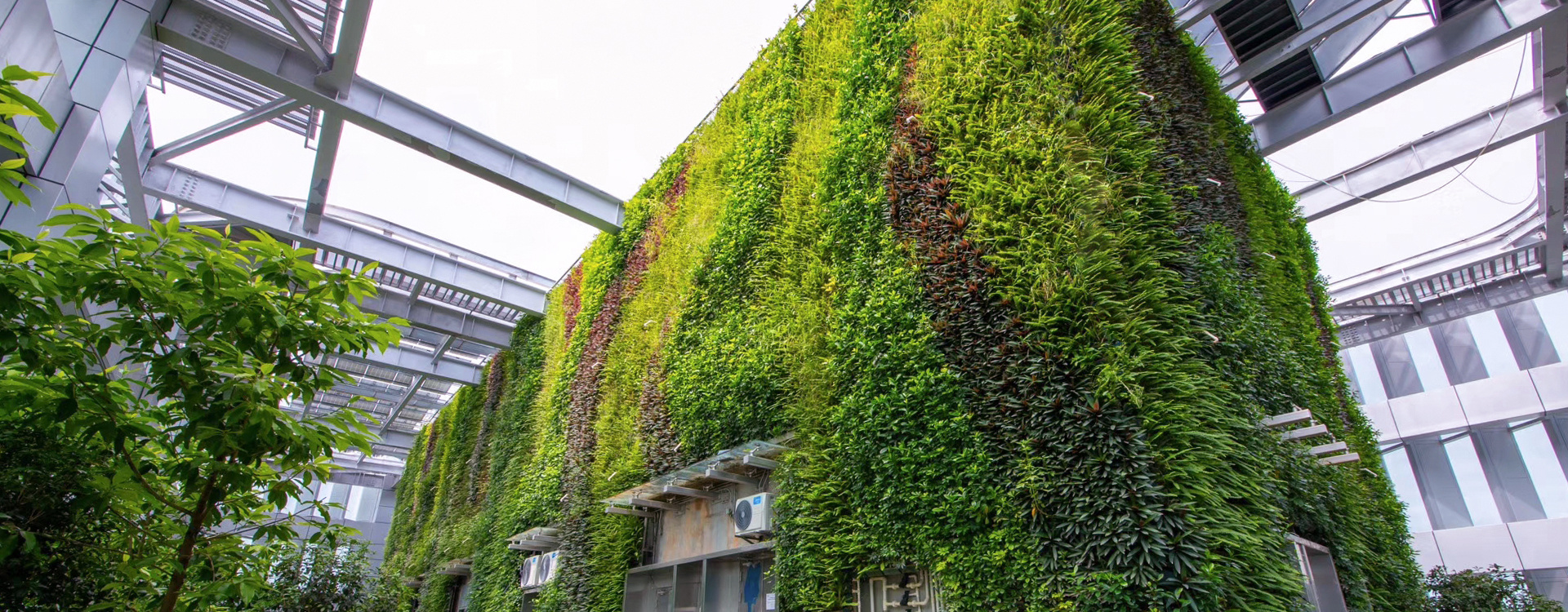
How Vertical Wall Garden Planters Can Maximize Your Gardening Space
Release time:
2026-01-29 23:50
How Vertical Wall Garden Planters Can Maximize Your Gardening Space
Table of Contents
- Benefits of Vertical Gardening
- Understanding Vertical Wall Garden Planters
- Types of Vertical Wall Garden Planters
- How to Select the Right Planter for Your Space
- Designing Your Vertical Garden: Tips and Tricks
- Maintenance of Vertical Wall Gardens
- Common Mistakes to Avoid in Vertical Gardening
- Frequently Asked Questions
Benefits of Vertical Gardening
Vertical gardening is not just a trend; it’s a practical solution for maximizing limited gardening spaces. Here are some key benefits:
1. Space Optimization
Utilizing vertical wall garden planters allows you to make the most of smaller spaces. Whether you live in an apartment with a balcony or a tiny backyard, vertical gardening enables you to grow more plants in less area. By taking advantage of vertical space, you can transform any dull wall into a vibrant green display.
2. Improved Air Quality
Plants naturally purify the air, and vertical gardens can significantly enhance air quality in urban environments. By incorporating plants into your walls, you contribute to a healthier atmosphere, filtering pollutants and releasing oxygen.
3. Aesthetic Appeal
Vertical wall garden planters can transform ordinary walls into beautiful, living art pieces. The visual impact of a lush vertical garden can enhance your home’s exterior or interior décor, creating an inviting environment.
4. Increased Biodiversity
Vertical gardens can support a diverse range of plant species, allowing you to cultivate herbs, flowers, and even vegetables in a compact space. This encourages biodiversity, which is essential for maintaining healthy ecosystems.
Understanding Vertical Wall Garden Planters
Vertical wall garden planters come in various designs and materials, catering to different gardening needs. Understanding the structure and functionality of these planters is crucial for maximizing your gardening potential.
1. Planter Types
There are several types of vertical wall planters, including pocket planters, wall-mounted pots, and living walls. Each type serves a different purpose and aesthetic. Pocket planters are typically made of fabric or mesh and can hold multiple plants, while wall-mounted pots provide more traditional plant housing. Living walls integrate a variety of plants into a cohesive system that often includes built-in irrigation systems.
2. Material Considerations
The materials used for vertical planters can vary significantly. Common options include wood, metal, plastic, and fabric. Each material has its advantages and disadvantages, influencing durability, drainage, and weight. Selecting the right material based on your gardening goals and environmental conditions is crucial for successful vertical gardening.
Types of Vertical Wall Garden Planters
Understanding the different types of vertical wall garden planters can help you choose the right option for your space and gardening goals.
1. Pocket Planters
Pocket planters are ideal for small spaces. Made from fabric or felt, they feature multiple pockets for plants, allowing for a diverse array of greenery. These are lightweight and easy to install, making them perfect for renters or temporary gardening solutions.
2. Wall-Mounted Containers
Wall-mounted containers come in various sizes and shapes, allowing you to create a customized vertical garden. They can range from tiered planters to single pots attached to the wall. These provide a more structured look and can be arranged in artistic patterns.
3. Modular Systems
Modular vertical garden systems are designed for flexibility. These can be expanded or rearranged as needed, allowing for changes in plant selection or layout. They often include built-in irrigation and drainage systems, making maintenance easier.
4. Living Walls
Living walls, or green walls, are large-scale systems that integrate a variety of plants into a wall structure. They often utilize specialized materials and systems for irrigation and drainage, allowing for a thriving ecosystem. Living walls are typically more suited for permanent installations, creating dramatic visual impacts.
How to Select the Right Planter for Your Space
Choosing the right vertical wall garden planter involves considering several factors, including the space available, the types of plants desired, and the level of maintenance you’re willing to commit to.
1. Assess Your Space
Evaluate your available wall space and consider factors such as sunlight exposure, wind direction, and aesthetic preferences. This assessment will guide your choice of planter type and plant selection.
2. Choose Plants Wisely
Select plants based on your local climate, the sunlight available, and your gardening experience. Herbs, succulents, and trailing vines are popular choices for vertical gardens, offering variety and visual interest.
3. Consider Maintenance Needs
Different plants and planter types require varying levels of maintenance. If you prefer low-maintenance options, consider succulents or hardy herbs that thrive with minimal care. For a more vibrant garden, be prepared for regular watering and pruning.
Designing Your Vertical Garden: Tips and Tricks
Creating a beautiful vertical wall garden involves strategic planning and design considerations. Here are some tips to help you achieve a stunning result:
1. Create a Focal Point
Design your vertical garden with a focal point in mind. This could be a specific plant, a unique planter shape, or a color scheme. A focal point draws the eye and enhances the overall aesthetic of the garden.
2. Layering Plants
Layering plants of varying heights and textures adds depth to your vertical garden. Combine trailing plants, compact herbs, and taller species to create a visually appealing arrangement.
3. Use Color and Texture
Incorporate a variety of colors and textures to evoke interest. Mixing flowering plants with lush greenery creates a dynamic visual experience. Consider seasonal changes and how your garden will evolve over time.
4. Ensure Proper Irrigation
Maintaining adequate moisture levels is crucial for the success of your vertical garden. Consider installing a drip irrigation system or regularly watering your plants based on their specific needs.
Maintenance of Vertical Wall Gardens
Proper maintenance is essential for the longevity of your vertical wall garden. Here are key maintenance practices to keep your plants thriving:
1. Regular Watering
Ensure your plants receive adequate water, particularly during hot weather. Check the moisture level of the soil regularly and adjust your watering schedule accordingly.
2. Pruning and Trimming
Regularly prune your plants to encourage healthy growth and prevent overcrowding. Trimming back excess growth can also enhance the visual appeal of your vertical garden.
3. Fertilization
Feed your plants based on their nutritional needs. Using a balanced fertilizer every few weeks can promote healthy growth and vibrant blooms.
4. Pest Management
Keep an eye out for pests and diseases. Early detection and treatment can prevent infestations from spreading. Consider using organic pest control methods to maintain a healthy gardening environment.
Common Mistakes to Avoid in Vertical Gardening
Successful vertical gardening requires awareness of common pitfalls. Here are mistakes to avoid:
1. Overplanting
Avoid overcrowding your vertical garden. Each plant needs adequate space to grow and thrive. Overplanting can lead to competition for resources and unhealthy plants.
2. Ignoring Sunlight Conditions
Understanding the sunlight requirements of your plants is crucial. Place your vertical planters in areas that meet the light needs of the chosen plants to ensure optimal growth.
3. Neglecting Drainage
Proper drainage is vital for preventing root rot. Ensure your vertical planters have adequate drainage systems to allow excess water to escape.
Frequently Asked Questions
1. What plants are best for vertical wall gardens?
Herbs, succulents, and trailing vines are popular choices for vertical gardens due to their adaptability and aesthetic appeal.
2. How much sunlight do vertical gardens need?
Most plants require at least 6 hours of sunlight daily. Understanding the light requirements of your plants is essential for their success.
3. Can I create a vertical garden indoors?
Yes, vertical gardens can thrive indoors as long as there is sufficient light. Consider using grow lights if natural sunlight is limited.
4. How often should I water my vertical garden?
Watering frequency depends on plant type and environmental conditions. Generally, you should check the soil moisture regularly and water when needed.
5. Is vertical gardening expensive?
Vertical gardening can be budget-friendly, especially if you repurpose materials for planters. The overall cost will vary based on the size and complexity of your setup.
Conclusion
Vertical wall garden planters offer an innovative solution for maximizing gardening space, especially in urban settings or smaller homes. By understanding the benefits, types, and maintenance requirements of vertical gardens, anyone can create a lush, green environment that enhances both aesthetics and air quality. With thoughtful design and proper care, your vertical garden can thrive, transforming your space into a vibrant oasis. Embrace the possibilities of vertical gardening and reap the rewards of your green thumb!
vertical wall garden planter factory
Related News

Tel : 086-769-28334884
Phone : 086-136-2002-9145
Address : Building C, Xiaqiao Industrial Park, Dongcheng District, Dongguan City, Guangdong Province
Copyright © 2024 Dongguan Mengyuan Environmental Technology Co., Ltd.
business license