



Exploring the Benefits and Innovations of Green Roof Planter Factories
Release time:
2026-01-24 10:20
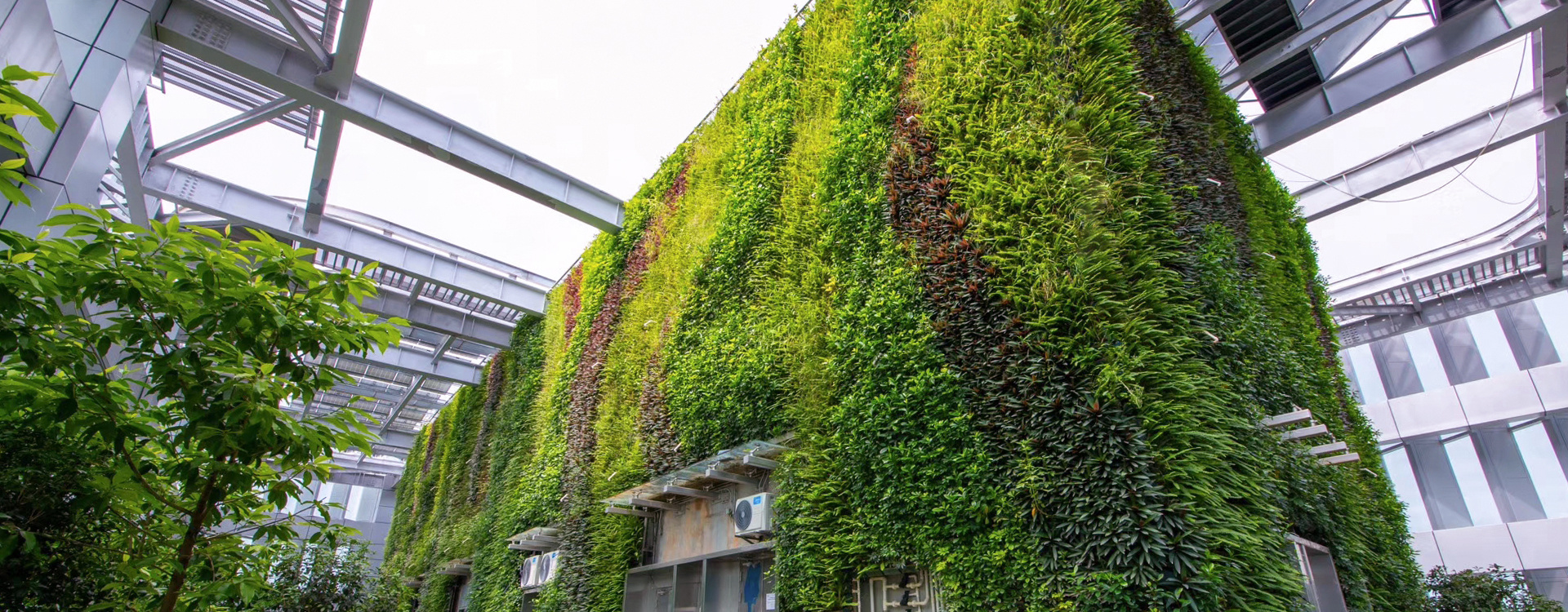
As urban populations grow, the demand for sustainable living solutions has never been higher. One innovative approach that has gained traction is the establishment of green roof planter factories. These facilities focus on producing specialized containers and systems designed for growing plants on rooftops, transforming concrete jungles into vibrant green spaces. Below, we discuss the key aspects of green roof planters and their implications for the agricultural and gardening sectors.
**1. Environmental Benefits**
Green roofs play a crucial role in enhancing urban biodiversity by providing habitats for various species, including birds, insects, and other wildlife. They also help mitigate urban heat islands, reducing the need for air conditioning and lowering energy costs. Furthermore, green roofs improve air quality by filtering pollutants and absorbing carbon dioxide, making them a valuable asset in combating climate change.
**2. Water Management**
One of the significant advantages of green roof planters is their ability to manage stormwater effectively. These systems capture rainwater, which can be retained or naturally evaporated, reducing the risk of flooding and minimizing the burden on urban drainage systems. By incorporating water-efficient plants and appropriate drainage layers, green roof planter factories can produce products that help urban areas cope with heavy rainfall and extreme weather events.
**3. Urban Aesthetics and Recreational Spaces**
Green roofs enhance the aesthetic appeal of urban environments, transforming dull rooftops into vibrant gardens. This not only provides recreational spaces for residents but also contributes to mental well-being by bringing nature closer to people. In urban areas where green spaces are limited, green roof planters create opportunities for community gardening, promoting social interaction and sustainability.
**4. Innovation in Materials and Design**
The design of green roof planters has evolved significantly, with factories increasingly utilizing innovative materials that are lightweight, durable, and eco-friendly. These designs often include modular systems that allow for easy installation and maintenance. Additionally, the use of advanced irrigation methods, such as drip irrigation, ensures that plants receive the necessary water without waste, making these systems highly efficient.
**5. Economic Opportunities**
As the demand for green roofs rises, so does the need for specialized planter factories. This trend creates numerous economic opportunities in manufacturing, installation, and maintenance, contributing to job growth in the horticultural and construction sectors. Moreover, businesses involved in this industry can benefit from the increasing emphasis on eco-friendly practices and the promotion of sustainable urban solutions.
In conclusion, green roof planter factories represent a vital intersection of sustainability and urban agriculture. By producing innovative products that enhance the environmental, social, and economic facets of urban life, these factories are paving the way for greener, more sustainable cities. As awareness of their benefits grows, the potential for further advancements in this field appears limitless.
**1. Environmental Benefits**
Green roofs play a crucial role in enhancing urban biodiversity by providing habitats for various species, including birds, insects, and other wildlife. They also help mitigate urban heat islands, reducing the need for air conditioning and lowering energy costs. Furthermore, green roofs improve air quality by filtering pollutants and absorbing carbon dioxide, making them a valuable asset in combating climate change.
**2. Water Management**
One of the significant advantages of green roof planters is their ability to manage stormwater effectively. These systems capture rainwater, which can be retained or naturally evaporated, reducing the risk of flooding and minimizing the burden on urban drainage systems. By incorporating water-efficient plants and appropriate drainage layers, green roof planter factories can produce products that help urban areas cope with heavy rainfall and extreme weather events.
**3. Urban Aesthetics and Recreational Spaces**
Green roofs enhance the aesthetic appeal of urban environments, transforming dull rooftops into vibrant gardens. This not only provides recreational spaces for residents but also contributes to mental well-being by bringing nature closer to people. In urban areas where green spaces are limited, green roof planters create opportunities for community gardening, promoting social interaction and sustainability.
**4. Innovation in Materials and Design**
The design of green roof planters has evolved significantly, with factories increasingly utilizing innovative materials that are lightweight, durable, and eco-friendly. These designs often include modular systems that allow for easy installation and maintenance. Additionally, the use of advanced irrigation methods, such as drip irrigation, ensures that plants receive the necessary water without waste, making these systems highly efficient.
**5. Economic Opportunities**
As the demand for green roofs rises, so does the need for specialized planter factories. This trend creates numerous economic opportunities in manufacturing, installation, and maintenance, contributing to job growth in the horticultural and construction sectors. Moreover, businesses involved in this industry can benefit from the increasing emphasis on eco-friendly practices and the promotion of sustainable urban solutions.
In conclusion, green roof planter factories represent a vital intersection of sustainability and urban agriculture. By producing innovative products that enhance the environmental, social, and economic facets of urban life, these factories are paving the way for greener, more sustainable cities. As awareness of their benefits grows, the potential for further advancements in this field appears limitless.
Green Roof Planter factory
Related News

Tel : 086-769-28334884
Phone : 086-136-2002-9145
Address : Building C, Xiaqiao Industrial Park, Dongcheng District, Dongguan City, Guangdong Province
Copyright © 2024 Dongguan Mengyuan Environmental Technology Co., Ltd.
business license