



Maximizing Space: The Advantage of Customized Vertical Hydroponic Systems
Release time:
2026-01-19 12:10
Maximizing Space: The Advantage of Customized Vertical Hydroponic Systems
Table of Contents
- 1. Introduction to Vertical Hydroponics
- 2. Benefits of Customized Vertical Hydroponic Systems
- 2.1 Space Efficiency: A Game Changer
- 2.2 Increased Yield with Customization
- 2.3 Sustainability and Environmental Impact
- 3. Key Design Considerations for Vertical Hydroponic Systems
- 3.1 Types of Vertical Hydroponic Systems
- 3.2 Choosing the Right Materials
- 3.3 Selecting the Best Plants for Vertical Hydroponics
- 4. Implementing Customized Vertical Hydroponic Systems
- 5. Success Stories of Vertical Hydroponics
- 6. Frequently Asked Questions
- 7. Conclusion
1. Introduction to Vertical Hydroponics
Vertical hydroponics represents a revolutionary shift in how we approach agriculture, particularly in urban settings where space is often limited. By utilizing vertical structures, we can maximize available space and grow a variety of crops in areas where traditional farming methods would be impractical. In this article, we will explore the numerous advantages of customized vertical hydroponic systems, including enhanced productivity, sustainability, and innovative design elements that cater to specific growing needs.
2. Benefits of Customized Vertical Hydroponic Systems
2.1 Space Efficiency: A Game Changer
One of the most significant advantages of vertical hydroponic systems is their ability to optimize space. In urban environments where land costs are high and available space is limited, vertical farming allows for multiple layers of crop cultivation. This method not only conserves ground space but also enables growers to establish a more extensive growing operation in confined areas. For example, a well-designed vertical hydroponic system can yield crops in a footprint that would traditionally support only a fraction of the plants.
2.2 Increased Yield with Customization
Customized vertical hydroponic systems are designed to maximize yield through tailored solutions that meet the specific needs of different plants. By optimizing factors such as light exposure, nutrient delivery, and environmental conditions, growers can significantly increase crop production. This customization can involve adjustable shelf heights, rotating plant trays, and even automated systems that monitor and adjust water and nutrient levels in real-time, ensuring that each plant receives the ideal care for optimal growth.
2.3 Sustainability and Environmental Impact
Sustainability is a core advantage of vertical hydroponic systems. By using less water than traditional soil-based farming—up to 90% less—hydroponics conserves this vital resource. Additionally, since these systems can be installed in urban environments, they reduce the carbon footprint associated with transporting produce from rural farms to urban markets. Customized systems can also incorporate renewable energy solutions, such as solar panels, further enhancing their sustainability profile.
3. Key Design Considerations for Vertical Hydroponic Systems
3.1 Types of Vertical Hydroponic Systems
There are several types of vertical hydroponic systems, each with distinct advantages based on specific growing conditions and requirements. Some popular types include:
- **Tower Systems**: These are vertical structures, often cylindrical, that allow plants to grow in a staggered manner. They are space-efficient and suitable for various types of crops.
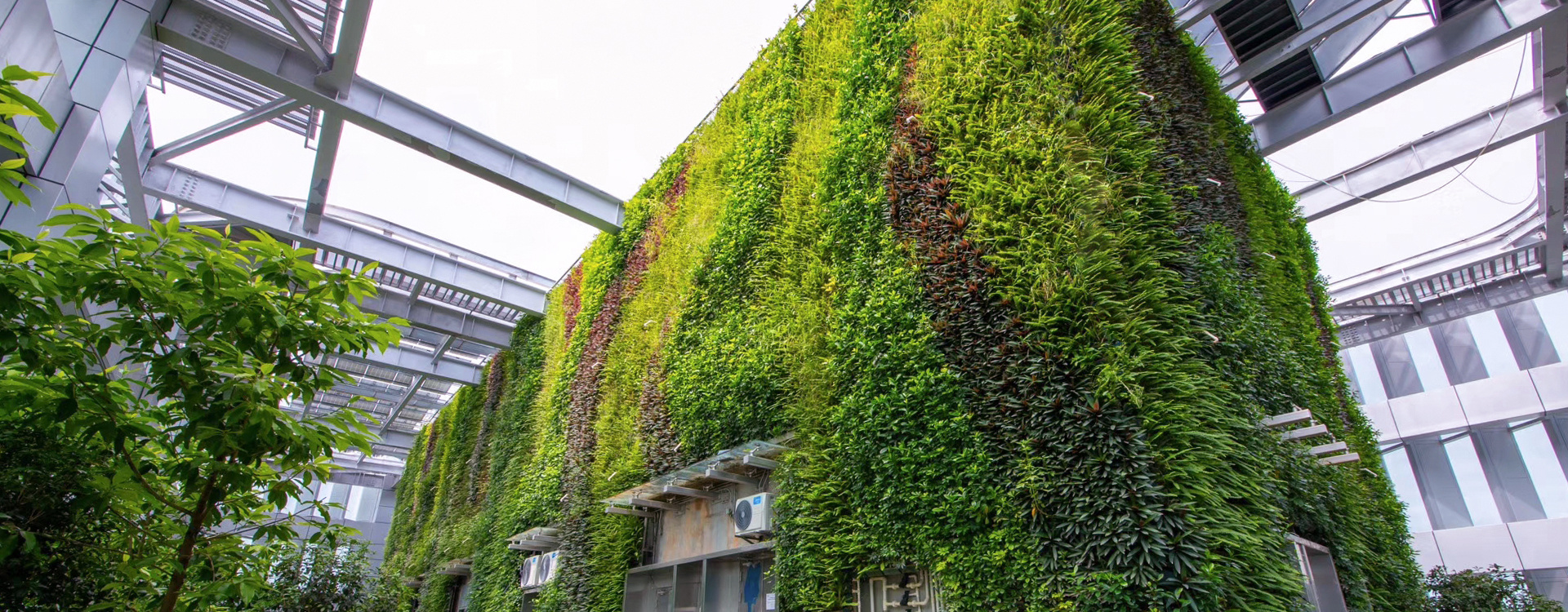
- **Wall Gardens**: These systems integrate plant growth into walls, making them perfect for indoor environments or urban settings where ground space is at a premium.
- **A-Frame Systems**: Shaped like an A, these structures provide ample space for multiple layers of plants and can be easily customized to fit various spaces.
Choosing the right type of vertical hydroponic system depends on the space available and the types of plants you wish to grow.
3.2 Choosing the Right Materials
Using high-quality, durable materials is crucial for the longevity and efficiency of vertical hydroponic systems. Options range from plastic and metal to wood and glass. Each material has its benefits, such as weight, cost, and ease of maintenance. For example, plastic systems may be lightweight and less expensive, but metal frameworks can offer greater durability and support for larger crops. It is essential to consider both the initial investment and long-term maintenance costs when selecting materials.
3.3 Selecting the Best Plants for Vertical Hydroponics
When considering which plants to grow in a vertical hydroponic system, it is essential to select varieties that thrive in such environments. Leafy greens like lettuce, spinach, and kale are excellent choices due to their adaptability and quick growth cycles. Additionally, herbs such as basil and mint can flourish in vertical settings, allowing for a diverse crop yield. Understanding the light, nutrient, and water requirements of each plant will help optimize growth and maximize yield.
4. Implementing Customized Vertical Hydroponic Systems
4.1 Site Selection and Layout
The success of a customized vertical hydroponic system largely depends on the site selection and layout. Factors to consider include access to natural light, water sources, and proximity to markets. Urban environments often provide unique challenges, such as limited access to sunlight; in these cases, using artificial lighting systems can help compensate. Additionally, an efficient layout allows for easy access to each plant, facilitating maintenance and harvesting.
4.2 Maintenance and Care
Maintaining a vertical hydroponic system requires regular monitoring and care. This includes checking nutrient levels, adjusting pH, and ensuring that plants receive adequate light. Implementing automated monitoring systems can simplify maintenance tasks and provide real-time feedback on the health of the crops. Regular maintenance not only ensures optimal plant growth but also extends the lifespan of the hydroponic system itself.
5. Success Stories of Vertical Hydroponics
There are numerous inspiring case studies highlighting the success of vertical hydroponic systems globally. Urban farms like Gotham Greens and FarmedHere have demonstrated the viability of vertical hydroponics in densely populated cities, providing fresh produce to local communities while minimizing environmental impact. These success stories showcase innovative designs, effective crop yields, and sustainable practices that can serve as models for future urban farming initiatives.
6. Frequently Asked Questions
What are the key advantages of vertical hydroponic systems?
Vertical hydroponic systems offer space efficiency, increased yields through customization, and sustainability by using less water and reducing transportation costs.
Can I grow all types of plants in vertical hydroponic systems?
While many plants thrive in vertical hydroponic systems, leafy greens and herbs are often the best choices due to their growth characteristics and adaptability.
What materials are best for building a vertical hydroponic system?
Durable and lightweight materials, such as plastics and metals, are commonly used. The best choice depends on factors such as budget, desired durability, and maintenance considerations.
How do I maintain a vertical hydroponic system?
Regular maintenance involves monitoring nutrient levels, checking pH, ensuring adequate light, and keeping the system clean. Automated systems can simplify this process.
Are vertical hydroponic systems suitable for commercial farming?
Yes, vertical hydroponic systems can be scaled for commercial farming and have been successfully implemented in urban centers to meet local demand for fresh produce.
7. Conclusion
Customized vertical hydroponic systems represent a transformative solution to modern agricultural challenges, particularly in urban areas where space is at a premium. By maximizing space, increasing crop yields, and promoting sustainability, these systems provide a viable path towards a more efficient and environmentally friendly approach to farming. As technology continues to advance, the potential for customized vertical hydroponics will only expand, offering exciting opportunities for growers and consumers alike. Embracing this innovative approach can help ensure a more sustainable future for agriculture while addressing the growing demand for fresh produce in densely populated urban environments.
customized vertical hydroponic system
Related News
2026-04-14

Tel : 086-769-28334884
Phone : 086-136-2002-9145
Address : Building C, Xiaqiao Industrial Park, Dongcheng District, Dongguan City, Guangdong Province
Copyright © 2024 Dongguan Mengyuan Environmental Technology Co., Ltd.
business license