



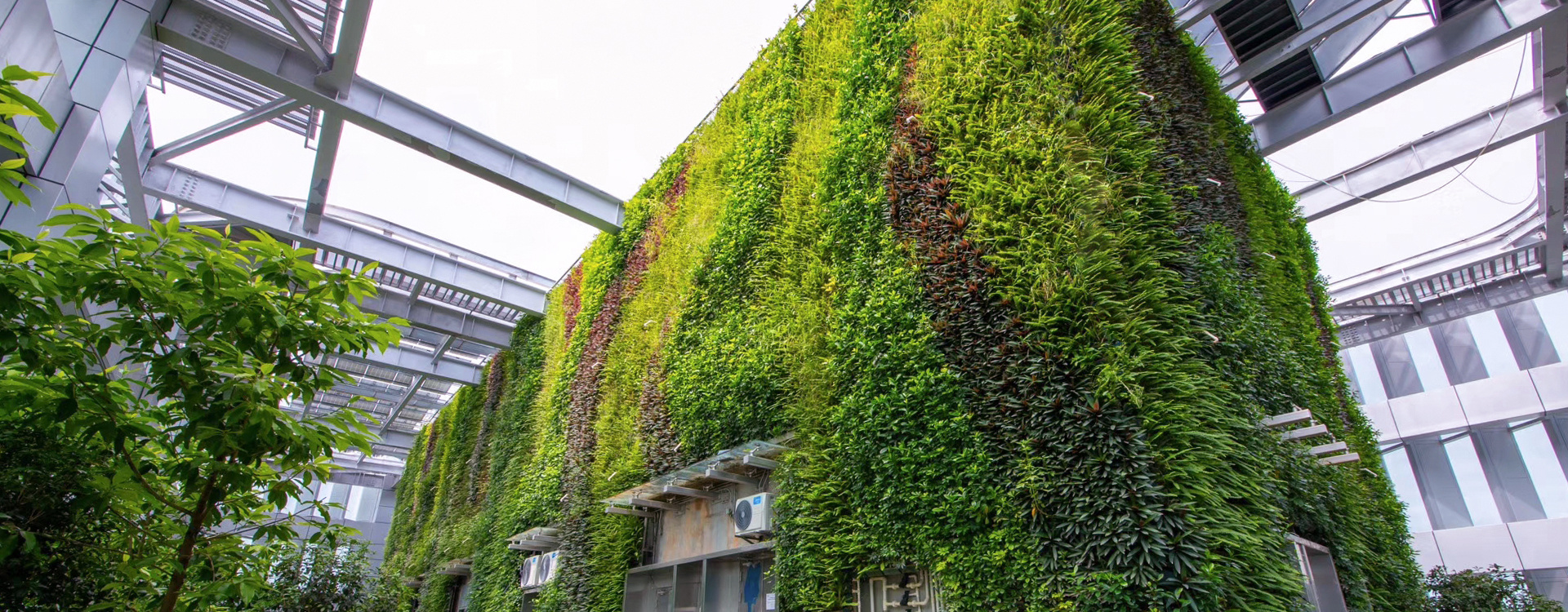
Essential Tips for Maintaining Your Customized Vertical Hydroponic System
Release time:
2026-04-09 16:00
Essential Tips for Maintaining Your Customized Vertical Hydroponic System
Table of Contents
- Introduction to Vertical Hydroponic Systems
- Understanding Hydroponics: The Basics
- The Importance of Regular Maintenance
- Routine Checks: What to Look For
- Effective Nutrient Management for Optimal Growth
- Pest Control Strategies for Hydroponics
- Proper Equipment Care and Maintenance
- Troubleshooting Common Hydroponic Issues
- Conclusion
- Frequently Asked Questions
Introduction to Vertical Hydroponic Systems
Vertical hydroponic systems have surged in popularity among urban gardeners and commercial farming operations. By utilizing vertical space, these systems allow for maximized yield in limited areas, making them ideal for small spaces. In this article, we will provide essential tips for maintaining your customized vertical hydroponic system, ensuring your plants thrive and produce an abundant harvest.
Understanding Hydroponics: The Basics
Hydroponics is an innovative method of growing plants without soil, using nutrient-rich water solutions instead. This technique allows for precise control over nutrient levels, pH, and moisture, resulting in faster growth rates and healthier plants. **Understanding the fundamental principles of hydroponics** is crucial for maintaining your customized system effectively.
Types of Hydroponic Systems
There are several hydroponic systems available, including nutrient film technique (NFT), deep water culture (DWC), and aeroponics. Each system has its advantages and requires specific maintenance practices. When customizing your vertical hydroponic setup, understanding these systems will help you choose the best techniques and practices for your needs.
The Importance of Regular Maintenance
Regular maintenance is vital for achieving optimal growth in your vertical hydroponic system. Neglecting maintenance can lead to nutrient imbalances, plant diseases, and equipment failures, ultimately affecting your crop yield. By prioritizing maintenance, you can ensure a sustainable and successful growing environment.
Benefits of Maintenance
- **Enhanced Plant Health:** Regular checks help identify issues early, ensuring your plants remain healthy and productive.
- **Increased Yield:** Proper maintenance directly impacts the efficiency of nutrient uptake and growth rates.
- **Longevity of Equipment:** Routine care helps extend the lifespan of your hydroponic equipment, saving costs on replacements.
Routine Checks: What to Look For
In maintaining your vertical hydroponic system, routine checks should be a non-negotiable part of your schedule. Here are critical areas to monitor closely:
Water Quality
Water quality plays a pivotal role in the health of your plants. Regularly check:
- **pH Levels:** Ideally, the pH should be between 5.5 and 6.5. Adjustments can be made using pH up or down solutions.
- **EC (Electrical Conductivity):** Monitor nutrient concentration; an EC between 1.5 to 2.5 mS/cm is generally ideal.
Nutrient Levels
Perform regular tests on nutrient levels to ensure a balanced nutrient solution. This includes checking for essential macro and micronutrients that plants require for growth.
System Components
Inspect system components like pumps, filters, and tubing for clogs or damage. Regular cleaning of these components is essential to prevent bacteria and algae buildup that could harm plant health.
Effective Nutrient Management for Optimal Growth
Nutrient management is crucial for achieving thriving plants in your vertical hydroponic system. Here are essential practices to ensure your plants receive the nutrients they need.
Choosing the Right Nutrients
Select a high-quality hydroponic nutrient solution tailored for your specific plants. Look for a balanced formula that includes all necessary macro and micronutrients. Many growers prefer pre-mixed solutions for ease of use, but customizing your mix can also yield excellent results.
Feeding Schedule
Establish a feeding schedule based on the growth stage of your plants. Seedlings require different nutrient concentrations compared to mature plants. Regularly adjust your nutrient solution strength and composition as plants grow.
Flush and Reset
Periodic flushing of your system helps prevent nutrient buildup and ensures your plants can access necessary nutrients. Flushing should be done every few weeks, followed by a reset of the nutrient solution.
Pest Control Strategies for Hydroponics
Pests can pose significant threats to your hydroponic garden. Implementing effective pest control strategies is essential to maintain plant health.
Preventative Measures
- **Keep the Area Clean:** Regularly clean the surrounding area of your hydroponic system to minimize pest attraction.
- **Use Physical Barriers:** Screens and row covers can prevent pests from accessing your plants.
Integrated Pest Management (IPM)
IPM combines biological control, cultural practices, and chemical methods to manage pest populations sustainably. Introduce beneficial insects like ladybugs or use organic pesticides as needed.
Proper Equipment Care and Maintenance
Ensuring your hydroponic equipment is in optimal working condition is essential for the health of your system.
Cleaning Components
Regularly clean components such as pumps, reservoirs, and trays. Use a mixture of water and hydrogen peroxide to eliminate algae and bacteria without harming plants.
Checking Electrical Connections
Ensure all electrical connections are secure and free from corrosion. Regularly inspect timers and controllers to ensure they are functioning correctly.
Troubleshooting Common Hydroponic Issues
Even with proper maintenance, issues may arise. Here are common problems and their solutions:
Nutrient Deficiencies
Symptoms of nutrient deficiencies often manifest as yellowing leaves or stunted growth. Identify the specific nutrient lacking and adjust your nutrient solution accordingly.
Root Rot
Root rot occurs when roots become waterlogged or infected. Ensure proper aeration and drainage in your system and consider using beneficial microbes to combat root diseases.
Algae Growth
Excessive algae growth can obstruct light and nutrient absorption. Regular cleaning and ensuring proper light coverage can help mitigate this issue.
Conclusion
Maintaining your customized vertical hydroponic system requires diligence, knowledge, and regular care. By adhering to these essential tips for maintenance, you ensure that your plants thrive and produce maximum yields. From understanding the basics of hydroponics to implementing effective nutrient management and pest control strategies, every detail contributes to the success of your growing endeavor. Embrace these practices, and watch your vertical garden flourish.
Frequently Asked Questions
1. How often should I check the pH level in my hydroponic system?
It’s advisable to check the pH level at least once a week to ensure optimal nutrient uptake.
2. What types of plants are best suited for vertical hydroponic systems?
Leafy greens like lettuce, herbs, and small fruiting plants such as strawberries are ideal for vertical hydroponic systems.
3. How can I prevent pests in my hydroponic garden?
Regular cleaning, using beneficial insects, and monitoring for early signs of infestation can help prevent pest issues.
4. What should I do if I notice nutrient burn on my plants?
Dilute the nutrient solution and flush the system with plain water to help alleviate the effects of nutrient burn.
5. Are there any specific brands of nutrients you recommend for hydroponics?
Many growers find success with brands like General Hydroponics, FoxFarm, and Advanced Nutrients, but it’s essential to choose a product that suits your specific plant requirements.
By implementing these comprehensive maintenance strategies, you are not only protecting your investment but also nurturing a vibrant, productive hydroponic garden.
customized vertical hydroponic system
Related News

Tel : 086-769-28334884
Phone : 086-136-2002-9145
Address : Building C, Xiaqiao Industrial Park, Dongcheng District, Dongguan City, Guangdong Province
Copyright © 2024 Dongguan Mengyuan Environmental Technology Co., Ltd.
business license