



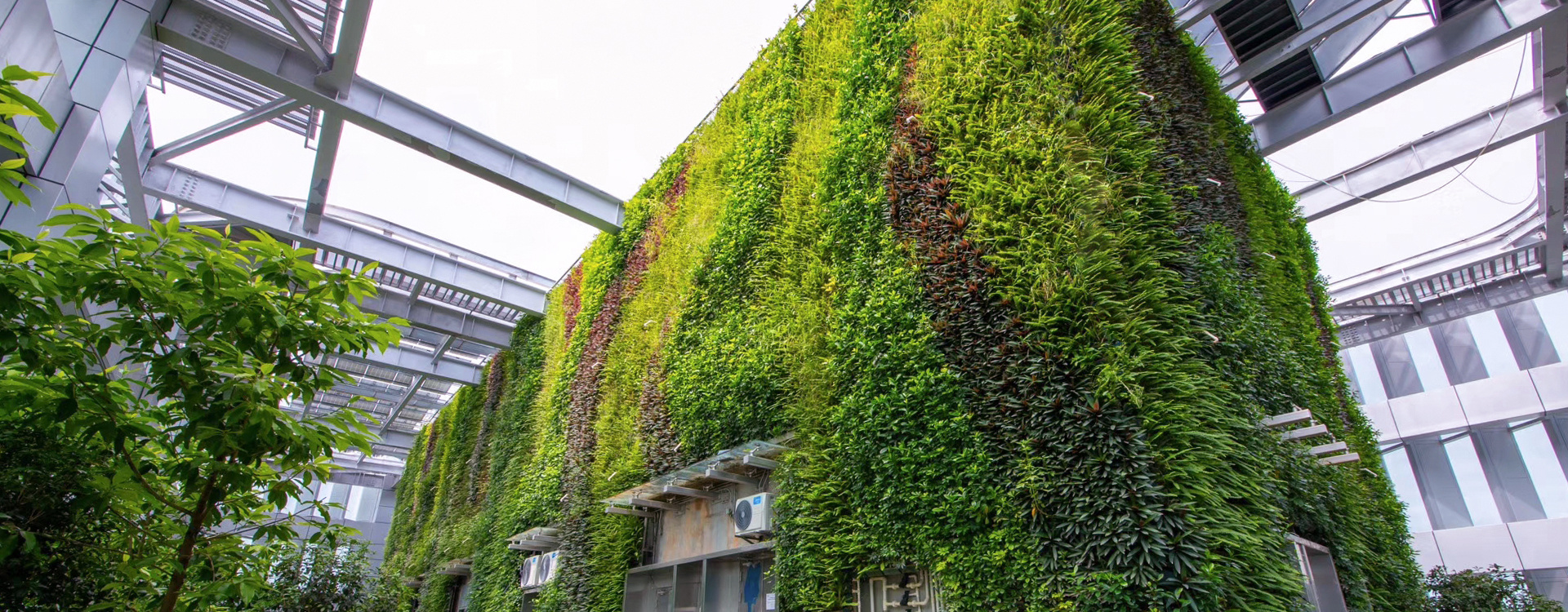
DIY Customized Vertical Hydroponic System: Crafting Your Own Green Oasis
Release time:
2026-07-02 20:00
DIY Customized Vertical Hydroponic System: Crafting Your Own Green Oasis
As urban living spaces grow smaller, gardening enthusiasts are increasingly turning to innovative methods to cultivate their green spaces. A **vertical hydroponic system** offers a perfect solution, maximizing limited space while delivering fresh, organic produce. In this comprehensive guide, we will walk you through the process of crafting your own customized vertical hydroponic system, allowing you to enjoy the benefits of home gardening, regardless of your available square footage.
Table of Contents
- Understanding Hydroponics: A Sustainable Gardening Method
- Benefits of a Vertical Hydroponic System
- Essential Tools and Materials You’ll Need
- Step-by-Step Guide to Building Your Vertical Hydroponic System
- Choosing the Right Plants for Your System
- Maintaining Your Vertical Hydroponic System
- Common Problems and Troubleshooting Tips
- Frequently Asked Questions (FAQs)
- Conclusion
Understanding Hydroponics: A Sustainable Gardening Method
Hydroponics is a revolutionary gardening technique that allows plants to grow without soil. Instead, plants receive nutrients through a nutrient-rich water solution. This method enhances growth rates, maximizes yield, and minimizes the usage of water and space, making it an eco-friendly alternative to traditional gardening. By understanding the principles of hydroponics, you can effectively create a thriving environment for your plants.
How Hydroponics Works
In a hydroponic system, the plant roots are submerged in a nutrient solution that provides essential minerals and trace elements. Various techniques exist, including nutrient film technique (NFT), deep water culture (DWC), and aeroponics. Each method has its own advantages, but vertical hydroponics stands out for its efficiency in space utilization and ease of maintenance.
Benefits of a Vertical Hydroponic System
A vertical hydroponic system offers various benefits that make it an attractive option for urban gardeners. Here are some key advantages:
Maximized Space Efficiency
Vertical gardens allow you to grow more plants in a smaller area. By stacking your plants vertically, you can take advantage of vertical space, making it ideal for apartments or small backyards.
Reduced Water Consumption
Hydroponic systems use up to 90% less water than traditional soil gardening. The closed-loop system recirculates water, ensuring that your plants receive the moisture they need without wastage.
Faster Growth Rates
Plants grown hydroponically can mature faster than those grown in soil. The constant supply of nutrients and optimal growing conditions can lead to higher yields in a shorter time frame.
Essential Tools and Materials You’ll Need
Before you embark on creating your vertical hydroponic system, gather the following tools and materials:
Tools
- Measuring tape
- Drill with bits (for creating holes)
- Utility knife or saw (for cutting materials)
- Wrench and screwdrivers
- Water pump and air pump (for circulation)
Materials
- PVC pipes or plastic containers (for planting vessels)
- Nutrient solution (specific to hydroponic gardening)
- Growing medium (such as rock wool or clay pellets)
- Net pots (for plant holding)
- Water reservoir (a large tub or tank)
- Lighting (if growing indoors)
Step-by-Step Guide to Building Your Vertical Hydroponic System
Now that you have your tools and materials ready, let’s dive into the step-by-step process of building your vertical hydroponic system.
Step 1: Choose Your Location
Select a location that receives adequate sunlight or consider using grow lights if you're setting up indoors. Ensure that the area is easily accessible for maintenance and harvesting.
Step 2: Prepare the Base
Construct a sturdy base for your vertical system. This can be done using wood or metal framing, ensuring it can support the weight of the plants and water.
Step 3: Cut the PVC Pipes
Measure and cut the PVC pipes to the desired length for your vertical setup. Drill holes for the net pots at appropriate intervals, ensuring they are evenly spaced.
Step 4: Assemble the System
Connect the pipes vertically to create your garden tower. Secure them in place, making sure they are stable and won’t topple over.
Step 5: Install the Water Reservoir
Place the water reservoir at the base of your structure. Connect the water pump, ensuring it can circulate the nutrient solution to the top of the vertical system.
Step 6: Fill with Growing Medium
Fill the net pots with your chosen growing medium. This will support the plants while allowing them to absorb moisture and nutrients from the solution.
Step 7: Plant Your Seeds
Plant your seeds or seedlings into the net pots. Ensure they are well positioned to take advantage of the available light.
Step 8: Add Nutrient Solution
Mix your hydroponic nutrient solution according to the manufacturer’s instructions and fill the reservoir. Turn on the pump to start circulating the solution.
Choosing the Right Plants for Your System
Selecting the right plants is crucial for the success of your vertical hydroponic system. Here are some popular options:
Leafy Greens
Leafy greens such as lettuce, spinach, and kale thrive in hydroponic systems. They have shorter growth cycles and require less energy to grow.
Herbs
Herbs like basil, mint, and cilantro perform exceptionally well in vertical hydroponics. Their compact size and rapid growth make them perfect for small spaces.
Fruiting Plants
Fruiting plants such as strawberries and cherry tomatoes can also be grown in vertical systems. They may require additional support as they grow, so plan ahead for trellising.
Maintaining Your Vertical Hydroponic System
Regular maintenance is essential for ensuring the health and productivity of your vertical hydroponic system. Here are some key practices:
Regular Monitoring
Check nutrient levels, pH balance, and the overall health of your plants regularly. Adjust the nutrient solution as needed to maintain optimal growing conditions.
Cleaning and Sanitizing
Keep your system clean to prevent algae growth and pests. Regularly clean the reservoir, pipes, and net pots to maintain a healthy environment.
Pruning and Harvesting
Prune your plants as necessary to promote airflow and light penetration. Harvest regularly to encourage new growth and prevent overcrowding.
Common Problems and Troubleshooting Tips
Even experienced gardeners encounter challenges. Here are some common issues and how to address them:
Pest Infestation
If you notice pests, consider introducing beneficial insects or using organic pest control methods. Regularly inspect your plants to catch infestations early.
Nutrient Deficiencies
Signs of nutrient deficiencies include yellowing leaves or stunted growth. Adjust your nutrient solution to address any deficiencies promptly.
Water Quality Issues
Ensure your water is free from contaminants. If you experience problems, consider using filtered or distilled water for your nutrient solution.
Frequently Asked Questions (FAQs)
1. What is the best type of hydroponic system for beginners?
The deep water culture (DWC) system is ideal for beginners due to its simplicity and effectiveness in growing a variety of plants.
2. How often should I change the nutrient solution?
It's recommended to change the nutrient solution every two to three weeks to maintain optimal plant health.
3. Can I use tap water for my hydroponic system?
While tap water can be used, it’s best to check the pH and chlorine levels. Filtered or distilled water is often preferred.
4. How much light do hydroponic plants need?
Most hydroponic plants require 12-16 hours of light per day. Grow lights can supplement natural light, especially in indoor setups.
5. Can I grow fruiting plants in a vertical hydroponic system?
Yes, many fruiting plants like strawberries and tomatoes can be successfully grown in vertical hydroponic systems with proper support.
Conclusion
Crafting your own **DIY customized vertical hydroponic system** opens up a world of possibilities for urban gardening. By understanding the principles of hydroponics, gathering the right materials, and following our detailed guide, you can create a sustainable, efficient system that provides fresh produce year-round. With dedication and regular maintenance, your vertical garden can flourish, transforming your space into a vibrant green oasis. Embrace this innovative gardening method and reap the numerous benefits it offers to both your home and your health.
customized vertical hydroponic system
preceding page
preceding page
Related News

Tel : 086-769-28334884
Phone : 086-136-2002-9145
Address : Building C, Xiaqiao Industrial Park, Dongcheng District, Dongguan City, Guangdong Province
Copyright © 2024 Dongguan Mengyuan Environmental Technology Co., Ltd.