



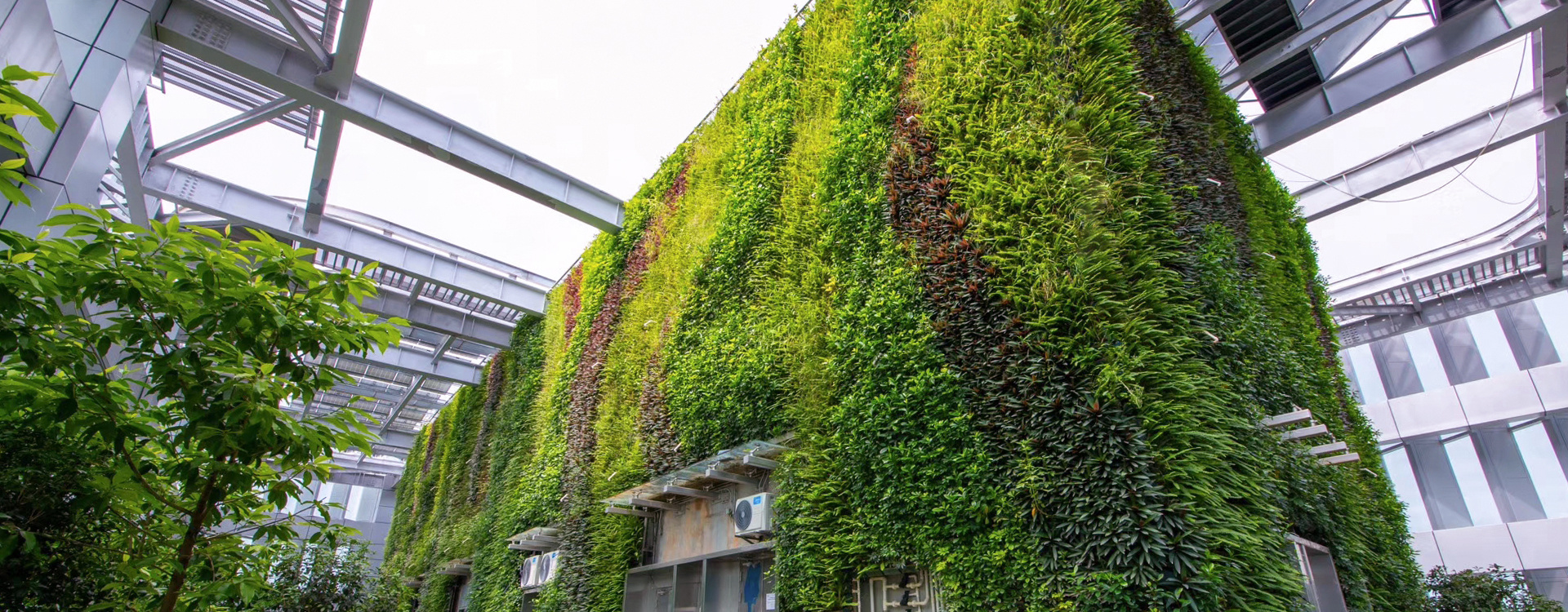
Step-by-Step: Setting Up Your Cheapest Vertical Wall Garden Planter
Release time:
2026-06-22 18:10
Step-by-Step: Setting Up Your Cheapest Vertical Wall Garden Planter
Table of Contents
- 1. Introduction to Vertical Wall Gardening
- 2. Benefits of Vertical Wall Gardens
- 3. Choosing Affordable Materials for Your Planter
- 4. Tools Required for Setting Up Your Vertical Garden
- 5. Step-by-Step Guide to Setting Up Your Vertical Wall Garden Planter
- 5.1 Design Your Vertical Garden
- 5.2 Preparing the Wall and Planter
- 5.3 Planting Your Chosen Vegetables and Flowers
- 5.4 Watering and Maintenance Tips
- 6. Common Issues and Solutions
- 7. Conclusion
- 8. Frequently Asked Questions
1. Introduction to Vertical Wall Gardening
In recent years, vertical wall gardening has surged in popularity. This innovative gardening technique involves growing plants vertically, using walls as a canvas for greenery. Especially in urban spaces where garden space is limited, vertical gardens allow us to maximize our growing potential, adding both beauty and functionality to our homes. This guide will delve into setting up your **cheapest vertical wall garden planter**, ensuring you don't need a hefty budget to cultivate a lush display of plants.
2. Benefits of Vertical Wall Gardens
Vertical wall gardens offer numerous advantages that make them an attractive option for gardeners and plant enthusiasts alike:
2.1 Space Efficiency
Utilizing vertical space enables urban dwellers to grow their plants without requiring significant square footage. This approach is perfect for small balconies, patios, or even indoors.
2.2 Enhanced Aesthetics
A vertical garden can be a stunning focal point in any room or outdoor space. Lush greenery can transform bare walls into vibrant displays of nature.
2.3 Improved Air Quality
Plants naturally purify the air by absorbing carbon dioxide and releasing oxygen. A wall garden can improve indoor air quality, benefiting both your health and well-being.
3. Choosing Affordable Materials for Your Planter
When setting up your vertical wall garden, selecting the right materials is crucial for both functionality and cost-effectiveness. Here are some budget-friendly options:
3.1 Recycled Pallets
Wooden pallets are inexpensive, widely available, and provide a rustic charm. They can be easily repurposed into vertical planters.
3.2 Fabric Grow Bags
Fabric grow bags are lightweight, affordable, and allow for excellent drainage. They can be hung on walls, making them a versatile option for vertical gardening.
3.3 Plastic Containers
Plastic containers come in various shapes and sizes, making them suitable for vertical gardening. Look for second-hand options to keep costs low.
3.4 Wall-Mounted Planter Boxes
DIY planter boxes can be constructed from inexpensive materials like plywood or even old crates. These boxes can be mounted onto your wall securely.
4. Tools Required for Setting Up Your Vertical Garden
Before diving into your vertical garden project, ensure you have the necessary tools at hand:
- Drill with various drill bits
- Screws and wall anchors
- Level
- Measuring tape
- Garden soil and compost
- Plants of your choice (herbs, flowers, vegetables)
- Watering can or hose
5. Step-by-Step Guide to Setting Up Your Vertical Wall Garden Planter
Creating your vertical wall garden may seem daunting, but with our straightforward steps, you can set it up with ease.
5.1 Design Your Vertical Garden
Start by sketching a design for your vertical garden. Consider the types of plants you want to grow and how much sunlight the wall receives. Choose a layout that allows for optimal plant growth and visual appeal.
5.2 Preparing the Wall and Planter
Once you have your design, prepare the wall by ensuring it's clean and suitable for mounting your planters. If using wooden pallets or boxes, apply a weatherproof sealant to protect against moisture.
1. **Mark the wall** where you plan to hang your planter.
2. **Drill holes** for screws or anchors, ensuring they're level.
3. **Securely attach** the planters to the wall, ensuring they are stable.
5.3 Planting Your Chosen Vegetables and Flowers
Now comes the exciting part—planting your garden! Choose plants suited for vertical gardening, such as herbs like basil and mint, or flowers like petunias and nasturtiums.
1. **Fill the planters** with potting soil mixed with compost.
2. **Plant your seeds or seedlings** according to the recommended depth for each plant.
3. **Water gently** to avoid displacing the soil.
5.4 Watering and Maintenance Tips
Regular maintenance is essential for a thriving vertical garden:
1. **Water consistently,** ensuring that plants receive adequate moisture without waterlogging.
2. **Check for pests** regularly and treat any infestations promptly.
3. **Prune and harvest** your plants to encourage growth and maintain aesthetics.
6. Common Issues and Solutions
Even the best gardeners encounter challenges. Here are some common problems and how to address them:
6.1 Overwatering
Overwatering can lead to root rot. Ensure good drainage in your planters and adjust your watering schedule based on plant needs.
6.2 Insufficient Sunlight
If your plants aren't thriving, check their sunlight exposure. Moving the planters or selecting more shade-tolerant plants may be necessary.
6.3 Pest Infestations
Inspect your plants for pests and use organic insecticidal soap for treatment. Regularly cleaning the leaves can help prevent infestations.
7. Conclusion
Setting up a vertical wall garden planter doesn't have to break the bank. By utilizing affordable materials and following our step-by-step guide, anyone can create a thriving vertical garden filled with vibrant plants. Embrace the charm and utility of vertical gardening and enhance your living space today.
8. Frequently Asked Questions
8.1 What types of plants are best for vertical gardens?
Herbs, flowering plants, and small vegetables like cherry tomatoes and peppers are excellent choices for vertical gardens.
8.2 How much maintenance does a vertical garden require?
Maintenance varies by plant type, but regular watering, pruning, and pest control are essential.
8.3 Can vertical gardens work indoors?
Yes, vertical gardens can thrive indoors with adequate light, such as near windows or with the help of grow lights.
8.4 How do I prevent pests in my vertical garden?
Regular inspection, maintaining plant health, and using organic treatments can help prevent pest issues.
8.5 What is the cost of setting up a vertical wall garden?
Costs can vary based on materials and plants chosen, but using recycled materials can keep expenses minimal. A simple setup can often be achieved for under $50.
By following these guidelines, you'll not only create a beautiful living wall but also enjoy the numerous benefits that come with it. Happy gardening!
Cheapest vertical wall garden planter
preceding page
preceding page
Related News

Tel : 086-769-28334884
Phone : 086-136-2002-9145
Address : Building C, Xiaqiao Industrial Park, Dongcheng District, Dongguan City, Guangdong Province
Copyright © 2024 Dongguan Mengyuan Environmental Technology Co., Ltd.
business license