



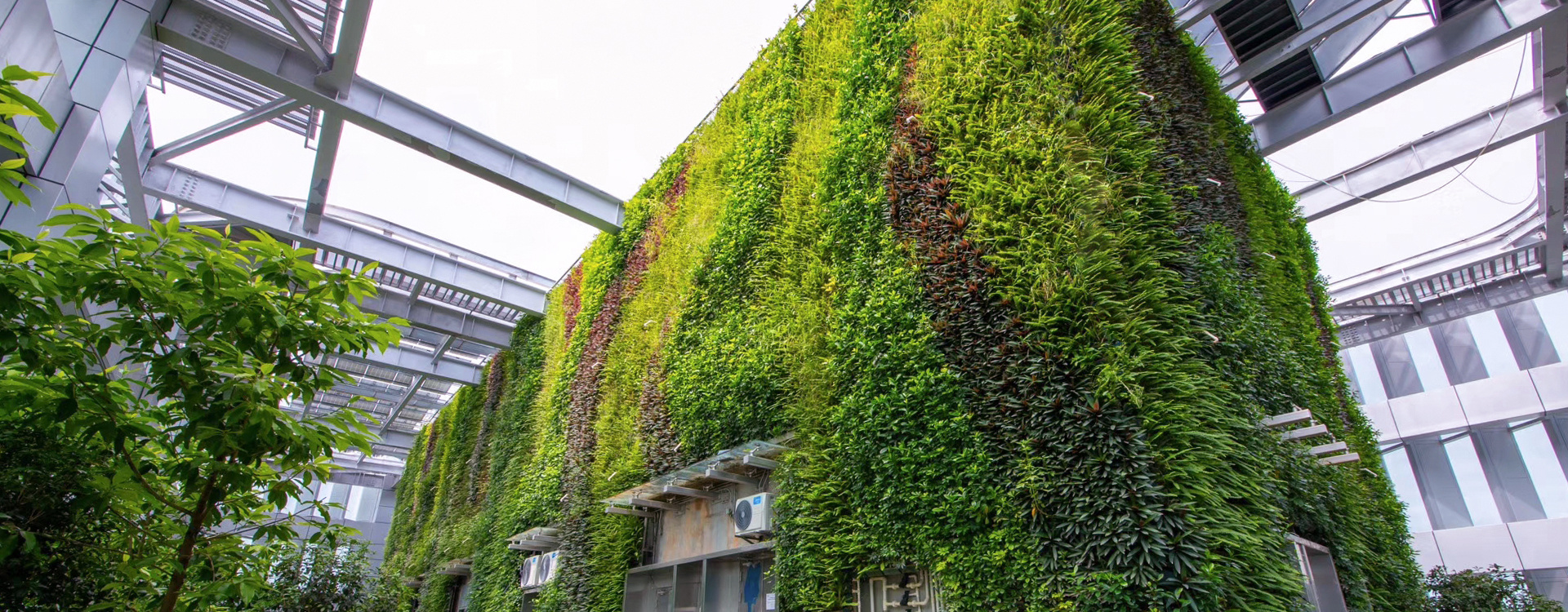
Exploring Innovations: The Future of Discount Vertical Hydroponic Systems
Release time:
2026-06-08 13:50
Exploring Innovations: The Future of Discount Vertical Hydroponic Systems
Table of Contents
1. Introduction to Vertical Hydroponics
2. Understanding Hydroponics: A Brief Overview
3. The Rise of Vertical Hydroponic Systems
3.1 Benefits of Vertical Hydroponics
3.2 Discounted Options: Accessibility for Everyone
4. Technological Innovations in Hydroponics
4.1 Automated Nutrient Delivery Systems
4.2 Energy-Efficient Lighting Solutions
4.3 Smart Sensors and Environmental Control
5. The Role of Sustainability in Hydroponic Innovation
5.1 Water Conservation Techniques
5.2 Organic Nutrient Solutions
6. Future Trends in Discount Vertical Hydroponic Systems
6.1 Community-Based Hydroponic Initiatives
6.2 Integration with Urban Spaces
7. FAQs About Vertical Hydroponic Systems
8. Conclusion: The Future of Agriculture is Here
1. Introduction to Vertical Hydroponics
Vertical hydroponics is rapidly transforming the agricultural landscape, enabling individuals and businesses to grow crops in space-constrained environments. This innovative approach maximizes yield while minimizing land use, making it a prime solution for urban farming. As the demand for fresh produce increases, affordable vertical hydroponic systems are becoming an appealing option for both novice gardeners and experienced farmers.
2. Understanding Hydroponics: A Brief Overview
Hydroponics is a method of growing plants without soil, using mineral nutrient solutions in a water solvent. This technique allows for precise control of growing conditions, leading to faster plant growth and higher yields. Hydroponics can be employed in various systems, including nutrient film technique (NFT), deep water culture (DWC), and aeroponics. Each system has unique benefits, but all contribute to efficient food production.
3. The Rise of Vertical Hydroponic Systems
The shift toward vertical hydroponic systems has been driven by the increasing need for efficient and sustainable agricultural practices. With urban areas expanding and arable land decreasing, these systems offer a solution to grow food within city limits.
3.1 Benefits of Vertical Hydroponics
Vertical hydroponics presents numerous advantages, such as:
- **Space Efficiency**: By utilizing vertical space, these systems allow for greater crop density, maximizing production in limited areas.
- **Enhanced Accessibility**: Vertical systems can be designed for easy access, reducing the need for extensive physical labor.
- **Year-Round Production**: Controlled environments enable growers to produce crops throughout the year, regardless of external weather conditions.
3.2 Discounted Options: Accessibility for Everyone
The emergence of discount vertical hydroponic systems has made this innovative farming method accessible to a wider audience. These affordable options do not sacrifice quality or efficiency, allowing individuals and small businesses to engage in hydroponics without a significant financial investment.
4. Technological Innovations in Hydroponics
As vertical hydroponic systems evolve, so too do the technologies that support them. Innovations in automation and environmental control are paving the way for more efficient growing processes.
4.1 Automated Nutrient Delivery Systems
Advanced nutrient delivery systems ensure that plants receive the right nutrients at the right time. Automation reduces the need for manual monitoring and allows for consistent growth conditions, ultimately leading to healthier plants and higher yields.
4.2 Energy-Efficient Lighting Solutions
LED lighting technologies have revolutionized indoor farming by providing energy-efficient, full-spectrum light that promotes photosynthesis. These lights consume less electricity while producing optimal light conditions for plant growth, making them an integral part of modern vertical hydroponics.
4.3 Smart Sensors and Environmental Control
Smart sensors are becoming commonplace in hydroponic systems, providing real-time data on temperature, humidity, and nutrient levels. This information allows growers to make informed decisions, optimizing conditions for their crops and reducing waste.
5. The Role of Sustainability in Hydroponic Innovation
Sustainability is at the heart of vertical hydroponic innovations. As the global population rises, so does the urgency to develop agricultural practices that are not only productive but also environmentally responsible.
5.1 Water Conservation Techniques
Hydroponic systems utilize significantly less water than traditional farming methods. Through recirculation and precise nutrient management, these systems can reduce water usage by up to 90%, making them a sustainable choice for water-scarce regions.
5.2 Organic Nutrient Solutions
The demand for organic produce continues to grow, and hydroponic systems are adapting to this trend by integrating organic nutrient solutions. These alternatives provide essential nutrients without synthetic additives, catering to health-conscious consumers.
6. Future Trends in Discount Vertical Hydroponic Systems
The future of discount vertical hydroponics is bright, with several trends emerging that promise to reshape the agricultural industry.
6.1 Community-Based Hydroponic Initiatives
Community gardens and urban farms utilizing discount vertical hydroponic systems are on the rise. These initiatives not only provide fresh produce but also foster community engagement and education around sustainable practices.
6.2 Integration with Urban Spaces
As cities look for ways to enhance food security and green spaces, integrating vertical hydroponics into urban architecture is becoming a viable option. Rooftops, walls, and vacant lots are being transformed into productive gardens, contributing to the overall sustainability of urban environments.
7. FAQs About Vertical Hydroponic Systems
**Q1: What types of plants can be grown using vertical hydroponic systems?**
A1: Many plants thrive in vertical hydroponic systems, including leafy greens (like lettuce and spinach), herbs (such as basil and cilantro), and even certain fruits (like strawberries and tomatoes).
**Q2: Are vertical hydroponic systems suitable for beginners?**
A2: Yes, many vertical hydroponic systems are designed with user-friendliness in mind, making them a great choice for beginners looking to embark on hydroponic gardening.
**Q3: How much space do I need for a vertical hydroponic system?**
A3: Vertical hydroponic systems can be designed to fit various spaces, from small balconies to larger indoor areas. The amount of space required depends on the specific system and the number of plants you wish to grow.
**Q4: Do I need a green thumb to succeed with vertical hydroponics?**
A4: While having gardening experience can be helpful, vertical hydroponic systems are designed to be accessible to all skill levels. Many come with detailed instructions and support to help beginners succeed.
**Q5: What is the cost of starting a vertical hydroponic system?**
A5: The cost can vary widely based on the system's complexity and size. However, discount options are available that allow users to start growing without significant upfront investment.
8. Conclusion: The Future of Agriculture is Here
The future of agriculture lies in innovative practices like vertical hydroponics, which not only address space constraints but also promote sustainability and efficiency. As technology continues to advance, discount vertical hydroponic systems will become increasingly accessible, allowing more individuals and communities to engage in sustainable food production. By leveraging these innovations, we can work towards a more resilient and food-secure future.
Discount vertical hydroponic system
Related News

Tel : 086-769-28334884
Phone : 086-136-2002-9145
Address : Building C, Xiaqiao Industrial Park, Dongcheng District, Dongguan City, Guangdong Province
Copyright © 2024 Dongguan Mengyuan Environmental Technology Co., Ltd.
business license