



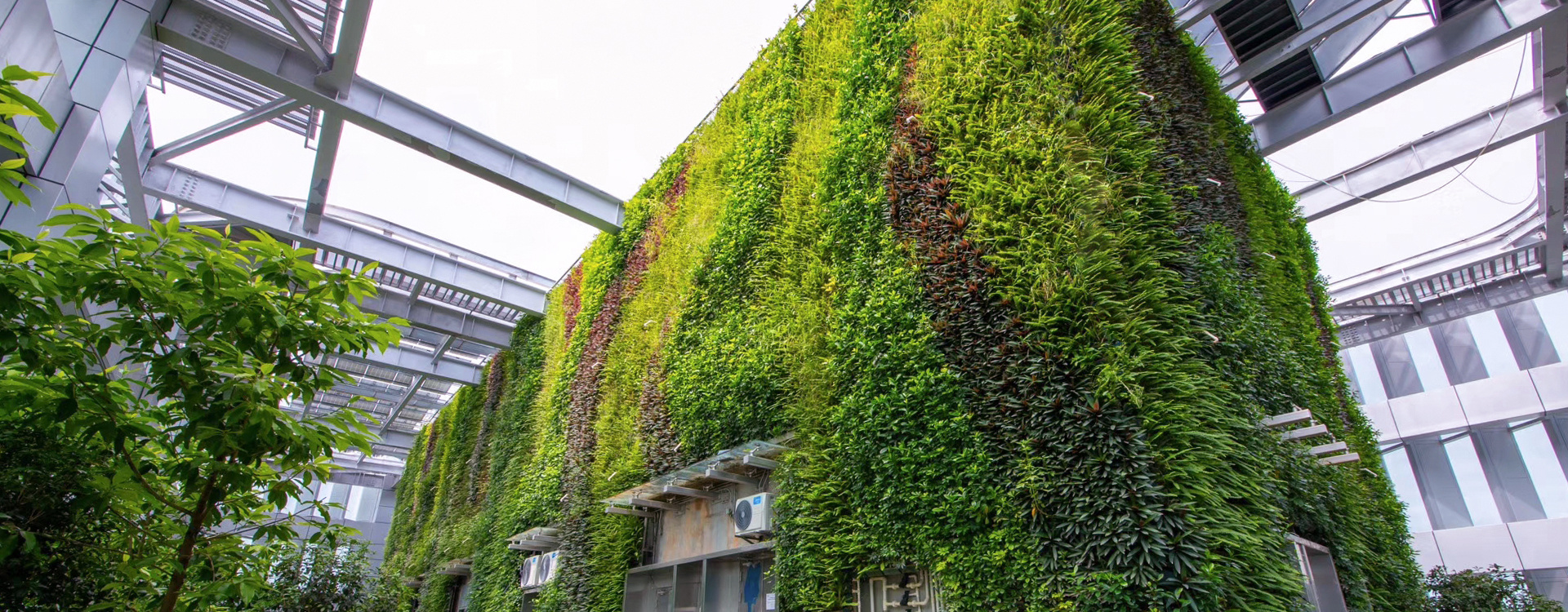
Engaging Kids in Vertical Hydroponics: Exciting Projects with Affordable Systems
Release time:
2026-07-22 17:30
Engaging Kids in Vertical Hydroponics: Exciting Projects with Affordable Systems
Table of Contents
- Introduction to Vertical Hydroponics for Kids
- Benefits of Hydroponics for Children
- Getting Started: Supplies and Setup
- Fun Vertical Hydroponic Projects for Kids
- Project 1: DIY Vertical Hydroponic Garden
- Project 2: Hydroponic Herb Tower
- Project 3: Mini Vertical Garden Using Recycled Materials
- Maintaining Your Hydroponic System
- Safety Tips for Kids in Hydroponics
- Cost-Effective Hydroponic Systems for Families
- Frequently Asked Questions
- Conclusion
Introduction to Vertical Hydroponics for Kids
Vertical hydroponics is an innovative gardening method that allows plants to grow without soil, using nutrient-rich water instead. This approach is particularly engaging for kids, as it combines science, sustainability, and creativity into one educational experience. From simple projects to more complex systems, vertical hydroponics can spark a lifelong interest in gardening and environmental stewardship.
In this article, we will explore various **fun projects** that children can undertake using **discount hydroponic systems**. We aim to equip parents and educators with the knowledge and tools needed to inspire kids to embrace gardening through engaging, hands-on activities.
Benefits of Hydroponics for Children
Introducing kids to hydroponics offers a myriad of benefits. Here are some compelling reasons why vertical hydroponics is an excellent choice for educational projects:
1. Understanding Plant Growth
Hydroponics provides a unique opportunity for children to witness how plants grow without soil. They can observe the root systems, understand the importance of nutrients, and learn about photosynthesis in a hands-on environment.
2. Encouraging Healthy Eating Habits
Growing their own fruits and vegetables can encourage children to eat healthier. When kids see the process from seed to harvest, they are more likely to try fresh produce they have grown themselves.
3. Fostering a Love for Science
Hydroponics is a fantastic way to introduce kids to biology and chemistry. They learn about plant biology, nutrient solutions, pH levels, and the science behind hydroponic systems.
4. Promoting Environmental Awareness
By engaging in hydroponics, children learn about sustainable practices and the importance of conserving resources. They understand how this method of gardening uses less water than traditional soil gardening, contributing to a more sustainable future.
Getting Started: Supplies and Setup
Before diving into fun projects, it’s essential to gather the necessary supplies. Here’s a list of items you’ll need to set up vertical hydroponics for kids:
Essential Supplies
- Hydroponic System: Look for affordable options that are easy to assemble and suitable for kids.
- Nutrients: Purchase hydroponic nutrient solutions that are specifically designed for the types of plants you intend to grow.
- Seeds or Seedlings: Choose fast-growing plants like lettuce, herbs, or strawberries.
- Water Pump: If your system requires it, ensure it's safe and easy for children to use.
- Timer: This will help manage light and watering schedules.
- pH Testing Kit: To monitor and adjust the pH levels of the nutrient solution.
Setting Up the System
To set up your vertical hydroponic system, follow these general steps:
1. **Choose a Location:** Find a spot that gets ample sunlight or has adequate grow lights.
2. **Assemble the System:** Follow the manufacturer’s instructions to put together the hydroponic system.
3. **Add Water and Nutrients:** Fill the reservoir with water and mix in the nutrient solution according to the instructions.
4. **Plant Seeds or Seedlings:** Carefully place your seeds or seedlings into the system, ensuring they are properly secured.
5. **Monitor Growth:** Regularly check water levels, nutrient concentrations, and pH levels to ensure optimal growth conditions.
Fun Vertical Hydroponic Projects for Kids
Now that you have your hydroponic system ready, it’s time to dive into some engaging projects!
Project 1: DIY Vertical Hydroponic Garden
Creating a DIY vertical hydroponic garden is a fantastic way for kids to learn about engineering and plant biology. Here’s how to do it:
1. **Materials Needed:**
- PVC pipes or plastic bottles
- Growing medium (like clay pellets)
- Net pots
- Hydroponic nutrients
- Water reservoir
2. **Instructions:**
- Cut the PVC pipes or bottles to the desired lengths.
- Drill holes for net pots at regular intervals.
- Assemble the system with a water reservoir at the bottom.
- Fill net pots with the growing medium and place seeds or seedlings.
- Connect the water pump and timer to ensure consistent watering.
This project not only teaches kids how to grow plants but also allows them to experiment with different designs.
Project 2: Hydroponic Herb Tower
A hydroponic herb tower is perfect for kids interested in cooking and nutrition. They can grow their own herbs and learn how to integrate them into meals.
1. **Materials Needed:**
- Stackable planters or a tiered planter system
- Hydroponic nutrients
- Seeds for herbs (basil, cilantro, parsley, etc.)
- Water pump and timer
2. **Instructions:**
- Set up the tiered planters according to the manufacturer’s instructions.
- Fill each planter with a growing medium and plant herb seeds.
- Connect the hydroponic system for proper watering.
- Encourage kids to monitor growth and taste their herbs in cooking.
This project enhances their understanding of culinary arts alongside gardening.
Project 3: Mini Vertical Garden Using Recycled Materials
Using recycled materials for a vertical garden is a creative way to promote sustainability.
1. **Materials Needed:**
- Old plastic bottles or milk cartons
- Growing medium
- Seeds
- String or rope for hanging
2. **Instructions:**
- Cut the bottles or cartons in half, leaving a bottom section to hold water.
- Drill holes for drainage and plant growth.
- Fill with growing medium and plant seeds.
- Hang the mini garden on a wall or fence.
This project encourages creativity and reinforces the importance of recycling.
Maintaining Your Hydroponic System
Proper maintenance is crucial for the success of any hydroponic system. Teach kids the following maintenance tips:
1. Regularly Check Water Levels
Ensure that the water reservoir is filled, and the plants are receiving adequate water.
2. Monitor Nutrient Concentration
Use a hydrometer to check nutrient levels, and replenish as necessary.
3. Adjust pH Levels
Keep the pH balanced for optimal nutrient absorption. Most plants prefer a pH level between 5.5 and 6.5.
4. Clean the System
Periodically clean the reservoir and tubing to prevent algae growth.
Safety Tips for Kids in Hydroponics
While hydroponics is generally safe, it's important to follow these safety tips:
1. Supervision
Always supervise children when they are working with tools or electrical components.
2. Use Child-Friendly Materials
Ensure that all materials used are safe and non-toxic.
3. Educate on Chemical Safety
Teach children the importance of handling hydroponic nutrients carefully and washing hands after gardening tasks.
Cost-Effective Hydroponic Systems for Families
Finding affordable hydroponic systems is easier than ever. Look for the following options:
1. DIY Kits
Many companies offer DIY hydroponic kits that come with all necessary materials, allowing families to create systems on a budget.
2. Local Workshops
Check community centers or local gardening stores for workshops that offer discounts on hydroponic systems.
3. Online Marketplaces
Explore discounts on popular e-commerce platforms, where you can often find hydroponic systems at reduced prices.
Frequently Asked Questions
1. What is vertical hydroponics?
Vertical hydroponics is a method of growing plants without soil, utilizing a vertical structure to maximize space and efficiency.
2. Can kids participate in hydroponics?
Absolutely! Hydroponics is a hands-on learning experience that is perfect for children of all ages.
3. What types of plants are best for beginners?
Fast-growing plants like lettuce, herbs, and strawberries are excellent options for kids just starting with hydroponics.
4. How much does it cost to get started with hydroponics?
The initial investment can vary, but there are many budget-friendly options available, including DIY kits.
5. Is hydroponics safe for children?
Yes, with proper supervision and safety precautions, hydroponics is a safe and educational activity for kids.
Conclusion
In conclusion, vertical hydroponics is a fantastic educational tool that can engage children in science, sustainability, and healthy eating. With affordable systems and various fun projects, parents and educators can inspire the next generation of environmentally conscious individuals. By fostering an interest in gardening and science, we not only teach kids valuable skills but also nurture their connection to nature and the environment. Embrace the world of vertical hydroponics, and watch your children thrive in their gardening adventures!
Discount vertical hydroponic system
preceding page
preceding page
Related News

Tel : 086-769-28334884
Phone : 086-136-2002-9145
Address : Building C, Xiaqiao Industrial Park, Dongcheng District, Dongguan City, Guangdong Province
Copyright © 2024 Dongguan Mengyuan Environmental Technology Co., Ltd.
business license