



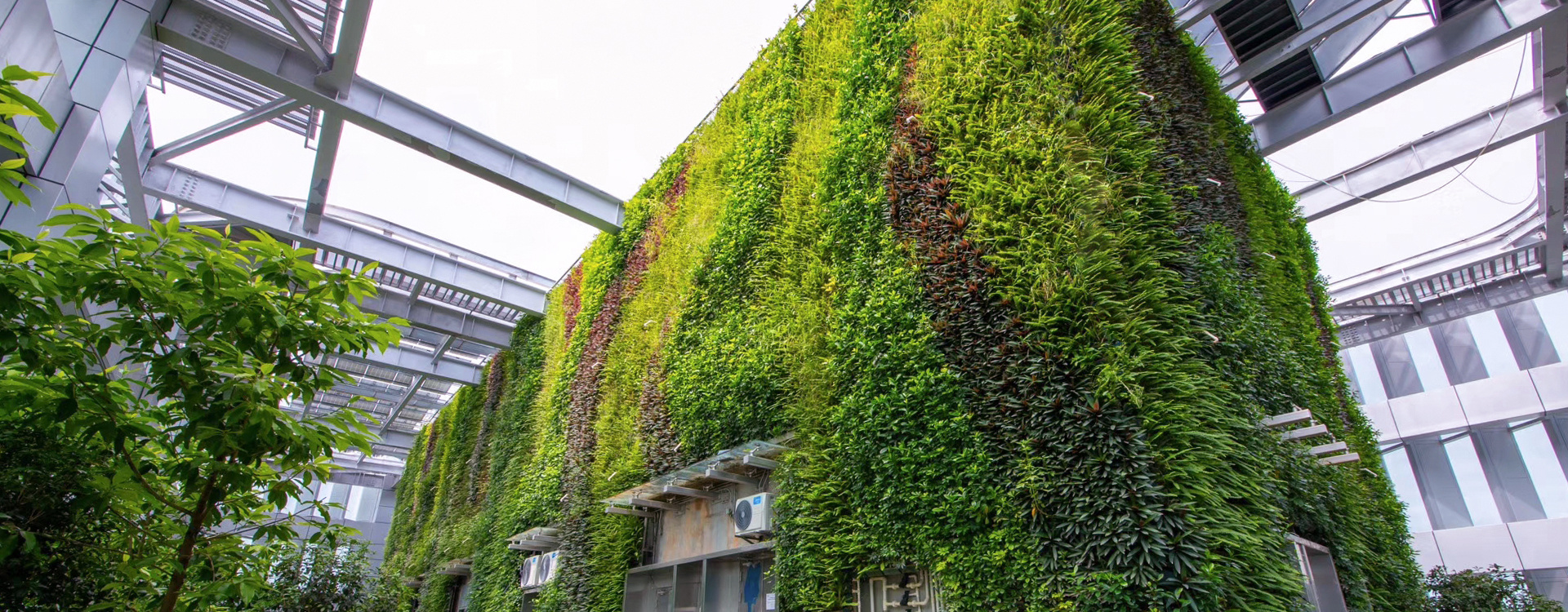
Exploring the Eco-Friendly Aspects of Vertical Wall Garden Planters
Release time:
2026-07-12 16:40
Exploring the Eco-Friendly Aspects of Vertical Wall Garden Planters
Table of Contents
- 1. Introduction to Vertical Wall Garden Planters
- 2. Benefits of Vertical Wall Garden Planters
- 3. Eco-Friendly Materials for Vertical Gardens
- 4. Innovative Designs for Vertical Wall Gardens
- 5. Maintenance Tips for Vertical Wall Garden Planters
- 6. Conclusion
- 7. Frequently Asked Questions
1. Introduction to Vertical Wall Garden Planters
The evolution of urban gardening has led us to innovative solutions like **vertical wall garden planters**. These installations have become increasingly popular, not only for their stunning aesthetics but also for their ability to integrate greenery into limited spaces. With urbanization on the rise and green spaces dwindling, vertical gardens represent a vital step towards sustainable living. This article delves into the eco-friendly aspects of vertical wall garden planters, highlighting their benefits, suitable materials, and design considerations.
2. Benefits of Vertical Wall Garden Planters
Vertical wall garden planters offer numerous advantages for both individuals and the environment. Here, we explore key benefits that make these planters a popular choice for urban gardeners.
2.1 Space-Saving Solutions
In urban areas, available land for gardening is often limited. Vertical wall planters maximize the use of available space by allowing plants to grow upwards rather than outwards. This approach not only enables individuals to cultivate a variety of plants in confined spaces but also beautifies walls, balconies, and patios. As a result, even apartment dwellers can enjoy the satisfaction of gardening.
2.2 Enhancing Air Quality
Plants are known for their ability to purify air. Vertical wall garden planters contribute significantly to improving indoor and outdoor air quality. They absorb carbon dioxide and release oxygen while filtering out harmful pollutants. Incorporating wall gardens into urban settings acts as a natural air purifier, making the environment healthier for residents.
2.3 Promoting Urban Biodiversity
The development of vertical gardens can enhance urban biodiversity by providing habitats for various species. Birds, insects, and beneficial microorganisms can thrive in these green spaces, helping to maintain ecological balance. By choosing a diverse array of plants, gardeners can create a mini-ecosystem that supports wildlife and promotes biodiversity in urban settings.
3. Eco-Friendly Materials for Vertical Gardens
Choosing the right materials is essential for creating sustainable vertical wall garden planters. Here, we discuss eco-friendly options that contribute to a greener environment.
3.1 Sustainable Wood Options
Utilizing sustainable wood for vertical wall planters is an excellent choice. Wood sourced from responsibly managed forests, such as bamboo or reclaimed wood, not only offers durability but also minimizes environmental impact. This approach reduces deforestation and supports sustainable forestry practices.
3.2 Utilizing Recycled Materials
Incorporating recycled materials into vertical garden designs is a creative way to promote sustainability. Items such as old pallets, plastic bottles, and tin cans can be repurposed into planters. This not only prevents waste from entering landfills but also encourages gardeners to think outside the box, resulting in unique and personalized garden designs.
4. Innovative Designs for Vertical Wall Gardens
The versatility of vertical wall gardens allows for a range of innovative designs. Here are a couple of popular options:
4.1 Vertical Hydroponic Systems
Vertical hydroponic systems are an excellent option for those looking to grow plants without soil. These systems use nutrient-rich water solutions to nourish plants, making them perfect for urban environments where soil quality may be poor. Hydroponics allows for a higher yield in a smaller space and is particularly ideal for growing herbs, vegetables, and even flowers.
4.2 Modular Garden Systems
Modular garden systems consist of several interconnecting units that can be customized to fit any space. These flexible designs allow gardeners to expand or rearrange their vertical gardens easily. They come in various shapes and sizes, enabling creativity and personalization while ensuring efficient water and nutrient management.
5. Maintenance Tips for Vertical Wall Garden Planters
To ensure the longevity and health of vertical wall garden planters, regular maintenance is crucial. Here are some practical tips:
1. **Water Management**: Ensure proper watering techniques to avoid over or under-watering. Drip irrigation systems are an effective way to deliver consistent moisture without waste.
2. **Fertilization**: Use organic fertilizers to provide essential nutrients to plants. Regular feeding will promote healthy growth and vibrant blooms.
3. **Pest Control**: Monitor plants for pests and disease. Employ natural pest control methods, such as introducing beneficial insects or using organic sprays, to manage infestations sustainably.
4. **Pruning and Trimming**: Regularly prune and trim plants to maintain their shape and encourage bushier growth. This will also prevent overcrowding in planters.
5. **Seasonal Preparation**: Prepare for seasonal changes by adjusting plants according to sunlight exposure and temperature. Some plants may need to be brought indoors during colder months or shielded from intense sunlight.
6. Conclusion
Vertical wall garden planters offer a plethora of benefits that contribute to a more sustainable lifestyle. By utilizing space efficiently, enhancing air quality, and promoting urban biodiversity, these structures serve as a vital aspect of modern gardening. With a variety of eco-friendly materials and innovative designs, anyone can create a thriving vertical garden uniquely suited to their environment. As we continue to seek ways to harmonize with nature, vertical gardens stand out as a perfect solution for urban living.
7. Frequently Asked Questions
What types of plants work best for vertical wall garden planters?
Many plants thrive in vertical gardens, including herbs like basil and mint, flowering plants such as petunias, and even vegetables like strawberries and cherry tomatoes.
Can I make my vertical wall garden from recycled materials?
Yes! Using recycled materials like old pallets, plastic bottles, and tin cans can create unique and sustainable vertical gardens.
How do I maintain a vertical wall garden?
Regular watering, fertilization, pruning, and monitoring for pests are essential to maintaining a healthy vertical garden.
Are vertical gardens expensive to set up?
Costs can vary based on materials and plant choices, but there are budget-friendly options, especially when using recycled materials.
Can vertical gardens be installed indoors?
Absolutely! Vertical wall gardens can thrive indoors, provided they receive sufficient light and proper care.
By understanding the eco-friendly aspects of vertical wall garden planters, we can make informed choices that impact our environment positively. Embrace the beauty of nature in urban spaces, and let your vertical garden flourish.
vertical wall garden planter factory
preceding page
preceding page
Related News

Tel : 086-769-28334884
Phone : 086-136-2002-9145
Address : Building C, Xiaqiao Industrial Park, Dongcheng District, Dongguan City, Guangdong Province
Copyright © 2024 Dongguan Mengyuan Environmental Technology Co., Ltd.
business license