



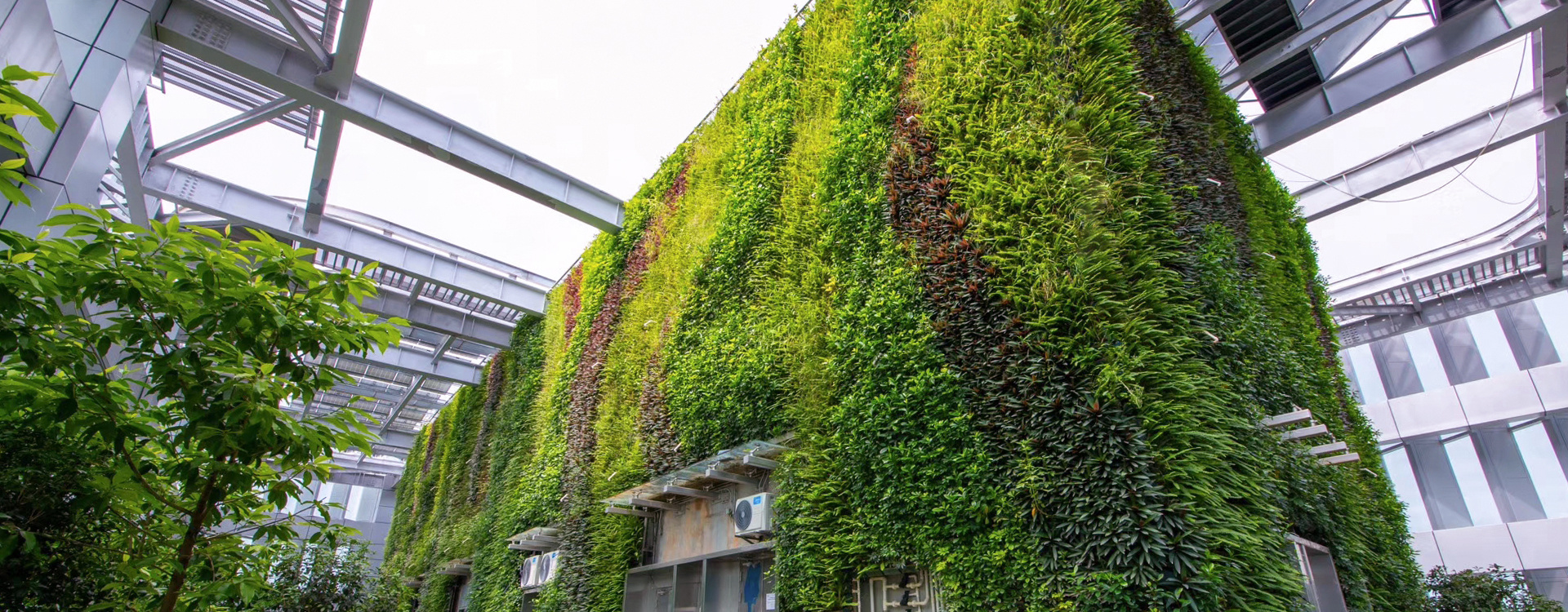
Maximizing Urban Green Spaces: The Role of Green Roof Planter Factories
Release time:
2026-07-07 20:10
In recent years, the concept of green roofs has gained significant traction, particularly in urban areas where space is limited. Green roofs, which involve the cultivation of plants on rooftops, provide various ecological and aesthetic benefits. The role of a Green Roof Planter factory is crucial in this context, as these facilities design and manufacture specialized planters that support the growth of vegetation in rooftop environments.
One of the primary advantages of using planters designed specifically for green roofs is their lightweight construction. Traditional planters can be too heavy for rooftop applications, leading to structural concerns. A Green Roof Planter factory focuses on creating materials that are both durable and lightweight, ensuring the safety and integrity of the building while maximizing the growing area available for plants.
Sustainable materials are also a key consideration for these factories. Many manufacturers are now utilizing recycled materials and eco-friendly plastics to produce planters. This not only reduces the carbon footprint associated with production but also aligns with the overall sustainability goals of urban gardening initiatives. The integration of such materials can result in planters that not only serve their functional purpose but also contribute positively to the environment.
Additionally, a Green Roof Planter factory often employs advanced production techniques to enhance water retention and drainage. These planters are designed with specific features, such as built-in reservoirs and drainage systems, which help maintain optimal moisture levels for the plants. This is crucial in rooftop gardens where the exposure to sunlight and wind can lead to rapid evaporation of water. By optimizing water management, these factories enable urban gardeners to maintain healthy plants with minimal irrigation.
Furthermore, green roof planters can contribute significantly to urban biodiversity. A well-designed planter can support a variety of plants, from succulents to flowering species, attracting pollinators like bees and butterflies. Factories that specialize in green roof planters often collaborate with horticulturists to design planters that not only meet structural requirements but also encourage a diverse range of plant life. This holistic approach helps in creating vibrant green spaces that enhance urban landscapes.
In conclusion, the contributions of a Green Roof Planter factory extend far beyond merely providing containers for plants. By focusing on lightweight materials, sustainable practices, advanced water management, and promoting biodiversity, these factories play a pivotal role in transforming urban environments into greener, more livable spaces. As cities continue to grow, the importance of green roofs and the planters that support them will only become more pronounced, making it essential for stakeholders in the agricultural and horticultural industries to understand and embrace these innovations.
One of the primary advantages of using planters designed specifically for green roofs is their lightweight construction. Traditional planters can be too heavy for rooftop applications, leading to structural concerns. A Green Roof Planter factory focuses on creating materials that are both durable and lightweight, ensuring the safety and integrity of the building while maximizing the growing area available for plants.
Sustainable materials are also a key consideration for these factories. Many manufacturers are now utilizing recycled materials and eco-friendly plastics to produce planters. This not only reduces the carbon footprint associated with production but also aligns with the overall sustainability goals of urban gardening initiatives. The integration of such materials can result in planters that not only serve their functional purpose but also contribute positively to the environment.
Additionally, a Green Roof Planter factory often employs advanced production techniques to enhance water retention and drainage. These planters are designed with specific features, such as built-in reservoirs and drainage systems, which help maintain optimal moisture levels for the plants. This is crucial in rooftop gardens where the exposure to sunlight and wind can lead to rapid evaporation of water. By optimizing water management, these factories enable urban gardeners to maintain healthy plants with minimal irrigation.
Furthermore, green roof planters can contribute significantly to urban biodiversity. A well-designed planter can support a variety of plants, from succulents to flowering species, attracting pollinators like bees and butterflies. Factories that specialize in green roof planters often collaborate with horticulturists to design planters that not only meet structural requirements but also encourage a diverse range of plant life. This holistic approach helps in creating vibrant green spaces that enhance urban landscapes.
In conclusion, the contributions of a Green Roof Planter factory extend far beyond merely providing containers for plants. By focusing on lightweight materials, sustainable practices, advanced water management, and promoting biodiversity, these factories play a pivotal role in transforming urban environments into greener, more livable spaces. As cities continue to grow, the importance of green roofs and the planters that support them will only become more pronounced, making it essential for stakeholders in the agricultural and horticultural industries to understand and embrace these innovations.
Green Roof Planter factory
preceding page
preceding page
Related News

Tel : 086-769-28334884
Phone : 086-136-2002-9145
Address : Building C, Xiaqiao Industrial Park, Dongcheng District, Dongguan City, Guangdong Province
Copyright © 2024 Dongguan Mengyuan Environmental Technology Co., Ltd.
business license