



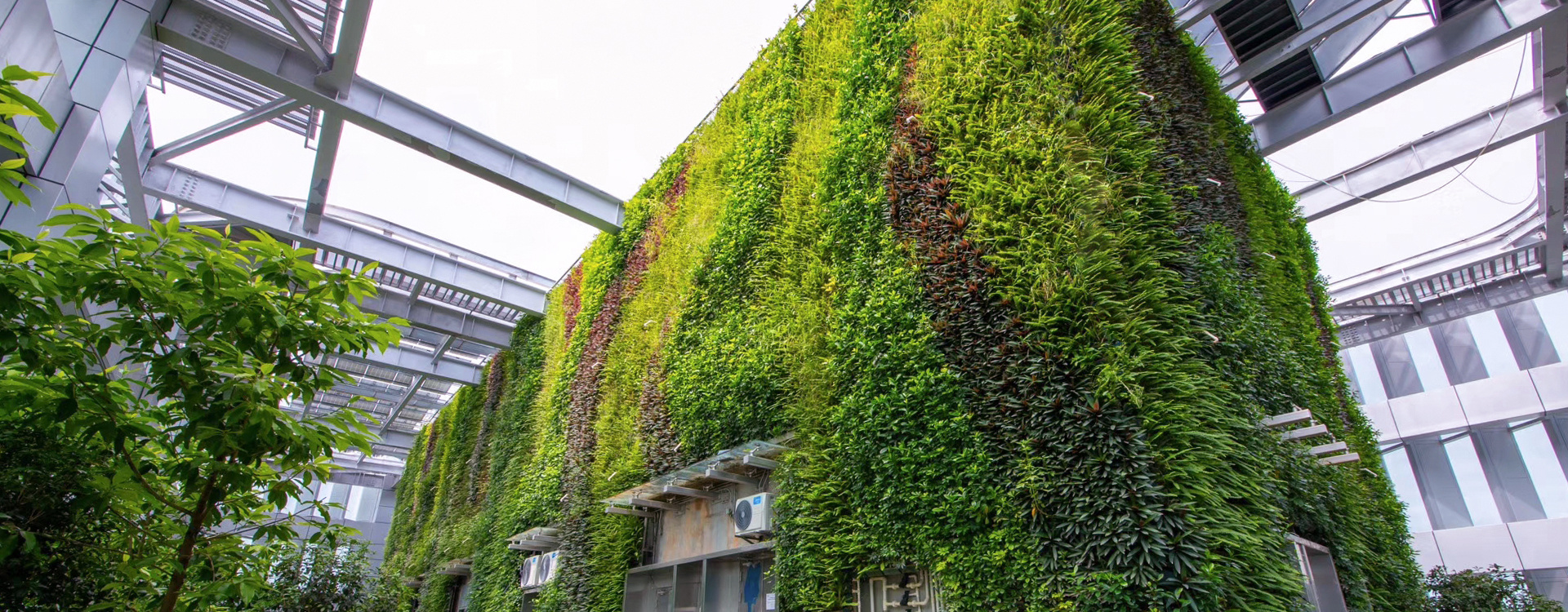
Essential Tools for Caring for Vertical Garden Planters: A Comprehensive Guide
Release time:
2024-12-11 09:40
Essential Tools for Caring for Vertical Garden Planters
Table of Contents
- Introduction to Vertical Gardening
- Benefits of Vertical Gardening
- Must-Have Tools for Vertical Garden Care
- Watering Tools for Vertical Gardens
- Soil and Fertilization Equipment
- Pruning and Maintenance Tools
- Pest Control Tools for Vertical Gardens
- Seasonal Maintenance Tips for Vertical Gardens
- FAQs
- Conclusion
Introduction to Vertical Gardening
Vertical gardening is a technique that involves growing plants in a vertically suspended manner, allowing for a more efficient use of space. This gardening method is particularly beneficial for urban dwellers who have limited horizontal gardening space. Vertical garden planters not only enhance the aesthetic appeal of your living space but also provide a practical solution for growing your favorite herbs, vegetables, and flowers.
Benefits of Vertical Gardening
Vertical gardening offers numerous advantages, including:
- Space Efficiency: Maximizes the use of available space, making it ideal for small gardens, balconies, and patios.
- Improved Air Circulation: Plants have better access to sunlight and air, promoting healthier growth.
- Reduced Weeding: Vertical gardens typically require less weeding than traditional gardens.
- Enhanced Aesthetics: Adds visual interest and beauty to any space.
- Accessibility: Easier to maintain and harvest, especially for those with mobility challenges.
Must-Have Tools for Vertical Garden Care
To maintain a thriving vertical garden, a variety of tools are essential. Here is a comprehensive list of must-have tools that every vertical gardener should consider:
1. Hand Tools
Hand tools are vital for various gardening tasks. Essential hand tools include:
- Trowel: Ideal for planting, transplanting, and digging in tight spaces.
- Hand Pruners: Essential for trimming and shaping plants.
- Gardening Fork: Useful for aerating soil and mixing in amendments.
- Weeder: Effective for removing pesky weeds without disturbing surrounding plants.
2. Watering Equipment
Watering tools are crucial for providing adequate moisture to your plants. Consider the following:
- Watering Can: A lightweight can with a long spout helps reach plants in vertical spaces.
- Garden Hose with Nozzle: A flexible hose allows for easy watering, while a nozzle provides adjustable water flow.
- Drip Irrigation System: An efficient way to deliver water directly to the roots of your vertical plants.
3. Soil and Fertilization Equipment
Quality soil and nutrients are essential for plant health. Incorporate these tools into your gardening routine:
- Soil Tester: Measures pH and moisture levels, helping you understand your soil's needs.
- Compost Bin: Enables you to create nutrient-rich compost for your plants.
- Fertilizer Spreader: A convenient tool for evenly distributing granular fertilizer.
Watering Tools for Vertical Gardens
Effective watering is critical to the success of any garden, especially vertical ones. Here’s a closer look at some watering tools:
1. Adjustable Sprayers
Adjustable sprayers allow for versatile watering options, whether you need a gentle mist for seedlings or a stronger spray for more established plants.
2. Soaker Hoses
Soaker hoses deliver water directly to the soil, minimizing evaporation and ensuring that your vertical garden receives consistent moisture.
Soil and Fertilization Equipment
Using the right soil and fertilizers can significantly impact the health of your vertical garden. Here’s what you need:
1. Lightweight Potting Mixes
Opt for lightweight potting mixes specifically formulated for container gardening. These mixes retain moisture without becoming waterlogged.
2. Organic Fertilizers
Organic fertilizers, such as compost or well-rotted manure, provide essential nutrients without the risk of chemical buildup.
Pruning and Maintenance Tools
Regular maintenance is crucial for the longevity of your vertical garden. Key tools include:
1. Bypass Pruners
Bypass pruners are ideal for cutting stems without crushing them, promoting healthy growth.
2. Garden Shears
Garden shears help maintain the shape and size of your plants, ensuring they grow in a manageable manner.
Pest Control Tools for Vertical Gardens
Maintaining a pest-free garden is essential. Consider these tools for effective pest control:
1. Insecticidal Soap
Insecticidal soap is a natural solution for tackling soft-bodied pests without harming your plants.
2. Neem Oil
Neem oil is another organic pesticide that repels a variety of garden pests while promoting plant health.
Seasonal Maintenance Tips for Vertical Gardens
Caring for vertical gardens requires seasonal attention. Here are some tips to follow throughout the year:
1. Spring: Preparation and Planting
In spring, assess your vertical planters and prepare them for planting by refreshing soil and adding compost.
2. Summer: Watering and Pruning
During the hot summer months, ensure frequent watering and regular pruning to promote healthy growth.
3. Fall: Harvesting and Fertilizing
As plants mature in the fall, focus on harvesting and applying a layer of organic fertilizer to prepare for winter.
4. Winter: Protection and Planning
In winter, protect your vertical garden from harsh weather and plan for the upcoming planting season by selecting new plants and tools.
FAQs
- What are the best plants for vertical gardening?
The best plants for vertical gardening include herbs like basil and parsley, flowering plants such as petunias, and climbing plants like peas and tomatoes. - How often should I water my vertical garden?
Watering frequency depends on the plants and climate, but generally, vertical gardens require watering every few days, especially in hot weather. - Can I use regular soil for vertical gardens?
It's best to use lightweight potting mixes designed for container gardening to ensure proper drainage and aeration. - How do I prevent pests in my vertical garden?
Regularly inspect plants, maintain good hygiene, and use organic pest control methods to keep pests at bay. - Is vertical gardening suitable for all climates?
Yes, vertical gardening can be adapted to various climates by choosing appropriate plants and providing necessary protection during extreme weather.
Conclusion
Vertical gardening is a rewarding and space-efficient way to cultivate beautiful plants in limited spaces. By equipping yourself with the essential tools and understanding the various aspects of care required for vertical garden planters, you can ensure your garden thrives. From watering and soil management to pest control and seasonal maintenance, adopting these practices will not only enhance your gardening experience but also yield bountiful results. Embrace the art of vertical gardening, and let your creativity blossom as you nurture your plants to their fullest potential.
vertical garden planter
Related News
2026-10-08
2026-10-05
2026-10-02

Tel : 086-769-28334884
Phone : 086-136-2002-9145
Address : Building C, Xiaqiao Industrial Park, Dongcheng District, Dongguan City, Guangdong Province
Copyright © 2024 Dongguan Mengyuan Environmental Technology Co., Ltd.
business license