



Unlocking the Potential of Hydroponic Growing Systems for Sustainable Agriculture
Release time:
2024-12-13 11:00
Hydroponic growing systems represent an exciting evolution in agriculture, allowing plants to thrive in nutrient-rich water rather than soil. This method not only conserves water but also enables greater control over plant growth conditions. Hydroponics can significantly boost crop yields and reduce the time to harvest, making it an attractive option for both novice gardeners and experienced farmers alike.
One of the most significant advantages of hydroponic systems is their efficiency. Traditional soil gardening often suffers from issues such as pests, diseases, and nutrient imbalances, which can hinder plant growth. Hydroponics eliminates many of these complications by providing a controlled environment where plants receive the exact nutrients they need without the interference of soil-borne issues. This leads to healthier plants and, ultimately, higher-quality produce.
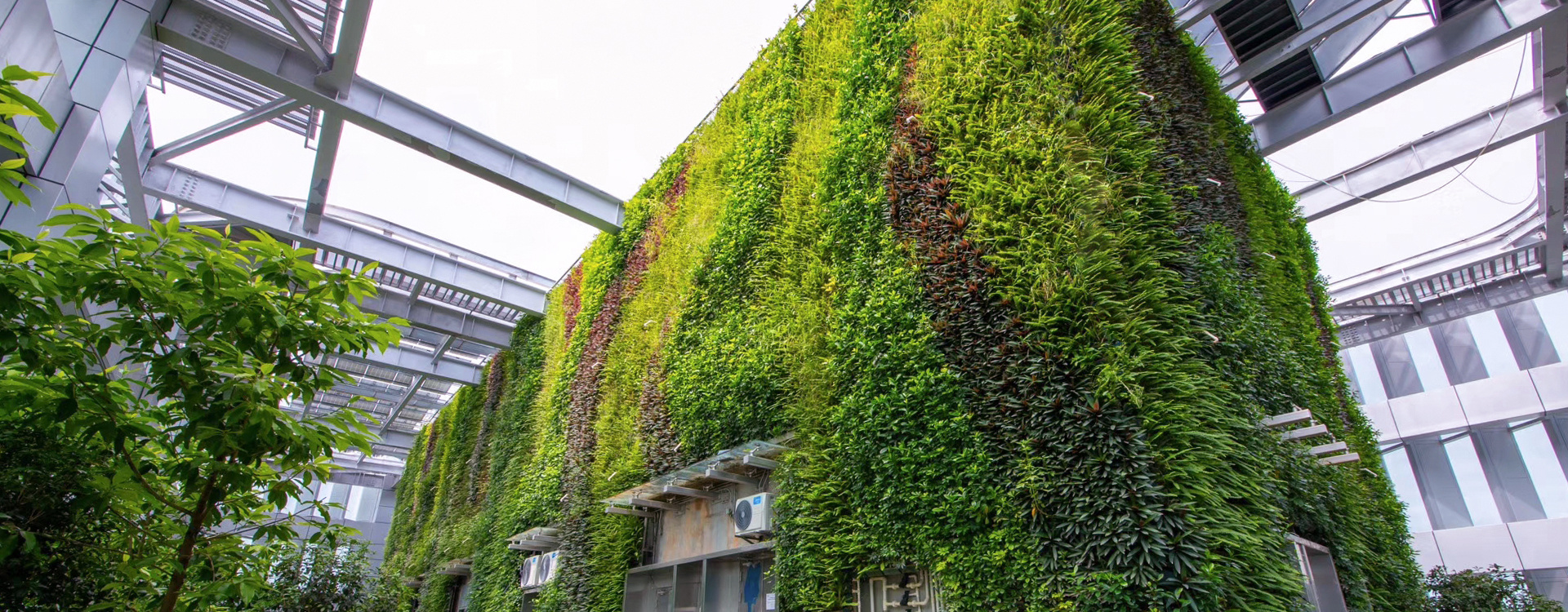
Another key benefit of hydroponic growing systems is their ability to optimize space. These systems can be set up vertically or in compact configurations, making them ideal for urban environments where space is at a premium. This vertical gardening approach allows growers to cultivate more plants in a smaller footprint, which is especially valuable in cities where land is limited and expensive.
Moreover, hydroponics is highly adaptable to various environments. With the right setup, hydroponic systems can be used indoors, allowing year-round growing regardless of external weather conditions. This adaptability not only ensures a constant supply of fresh produce but also encourages more sustainable practices as growers can produce food closer to consumers, reducing transportation emissions.
The environmental benefits of hydroponic systems are also worth noting. These systems typically use up to 90% less water than traditional farming methods, as water is recirculated and reused. Additionally, hydroponics often requires fewer pesticides and fertilizers, reducing the risk of chemical runoff that can harm local ecosystems.
In conclusion, hydroponic growing systems offer a viable solution to some of the greatest challenges facing modern agriculture. By providing a controlled, efficient, and sustainable method of growing plants, these systems not only enhance productivity but also promote environmental stewardship. Whether you are a hobbyist looking to grow your own herbs or a commercial grower aiming to meet the demands of a growing population, exploring hydroponics could be a key step towards a more sustainable future in agriculture.
One of the most significant advantages of hydroponic systems is their efficiency. Traditional soil gardening often suffers from issues such as pests, diseases, and nutrient imbalances, which can hinder plant growth. Hydroponics eliminates many of these complications by providing a controlled environment where plants receive the exact nutrients they need without the interference of soil-borne issues. This leads to healthier plants and, ultimately, higher-quality produce.
Another key benefit of hydroponic growing systems is their ability to optimize space. These systems can be set up vertically or in compact configurations, making them ideal for urban environments where space is at a premium. This vertical gardening approach allows growers to cultivate more plants in a smaller footprint, which is especially valuable in cities where land is limited and expensive.
Moreover, hydroponics is highly adaptable to various environments. With the right setup, hydroponic systems can be used indoors, allowing year-round growing regardless of external weather conditions. This adaptability not only ensures a constant supply of fresh produce but also encourages more sustainable practices as growers can produce food closer to consumers, reducing transportation emissions.
The environmental benefits of hydroponic systems are also worth noting. These systems typically use up to 90% less water than traditional farming methods, as water is recirculated and reused. Additionally, hydroponics often requires fewer pesticides and fertilizers, reducing the risk of chemical runoff that can harm local ecosystems.
In conclusion, hydroponic growing systems offer a viable solution to some of the greatest challenges facing modern agriculture. By providing a controlled, efficient, and sustainable method of growing plants, these systems not only enhance productivity but also promote environmental stewardship. Whether you are a hobbyist looking to grow your own herbs or a commercial grower aiming to meet the demands of a growing population, exploring hydroponics could be a key step towards a more sustainable future in agriculture.
hydroponic growing systems
Related News
2026-10-08
2026-10-05
2026-10-02

Tel : 086-769-28334884
Phone : 086-136-2002-9145
Address : Building C, Xiaqiao Industrial Park, Dongcheng District, Dongguan City, Guangdong Province
Copyright © 2024 Dongguan Mengyuan Environmental Technology Co., Ltd.
business license