



Hydroponics Made Simple: The Basics of Discount Vertical Systems
Release time:
2025-12-30 15:30
Hydroponics Made Simple: The Basics of Discount Vertical Systems
Table of Contents
- What is Hydroponics?
- Benefits of Hydroponics
- Understanding Vertical Hydroponic Systems
- What are Discount Vertical Systems?
- Key Components of Vertical Hydroponic Systems
- Setting Up Your Discount Vertical System
- Maintenance and Care of Vertical Hydroponics
- Common Mistakes to Avoid in Hydroponics
- Frequently Asked Questions
- Conclusion
What is Hydroponics?
Hydroponics is an innovative method of growing plants without soil, utilizing nutrient-rich water solutions instead. This soilless approach allows for efficient growth, enabling plants to absorb essential nutrients directly through their roots. Hydroponics has gained popularity among gardeners and commercial growers alike, thanks to its ability to produce high yields in limited space.
Benefits of Hydroponics
The advantages of hydroponics are numerous and compelling:
- Space Efficiency: Hydroponic systems can be installed in small areas, making them ideal for urban gardening.
- Faster Growth Rates: Plants grown hydroponically tend to grow faster than those in soil due to the controlled environment and direct nutrient access.
- Reduced Water Usage: Hydroponics uses significantly less water than traditional farming methods, making it an eco-friendly option.
- Pest Control: The absence of soil reduces the likelihood of pests and diseases associated with soil-grown plants.
- Year-Round Cultivation: Controlled environments allow for year-round production regardless of outdoor weather conditions.
Understanding Vertical Hydroponic Systems
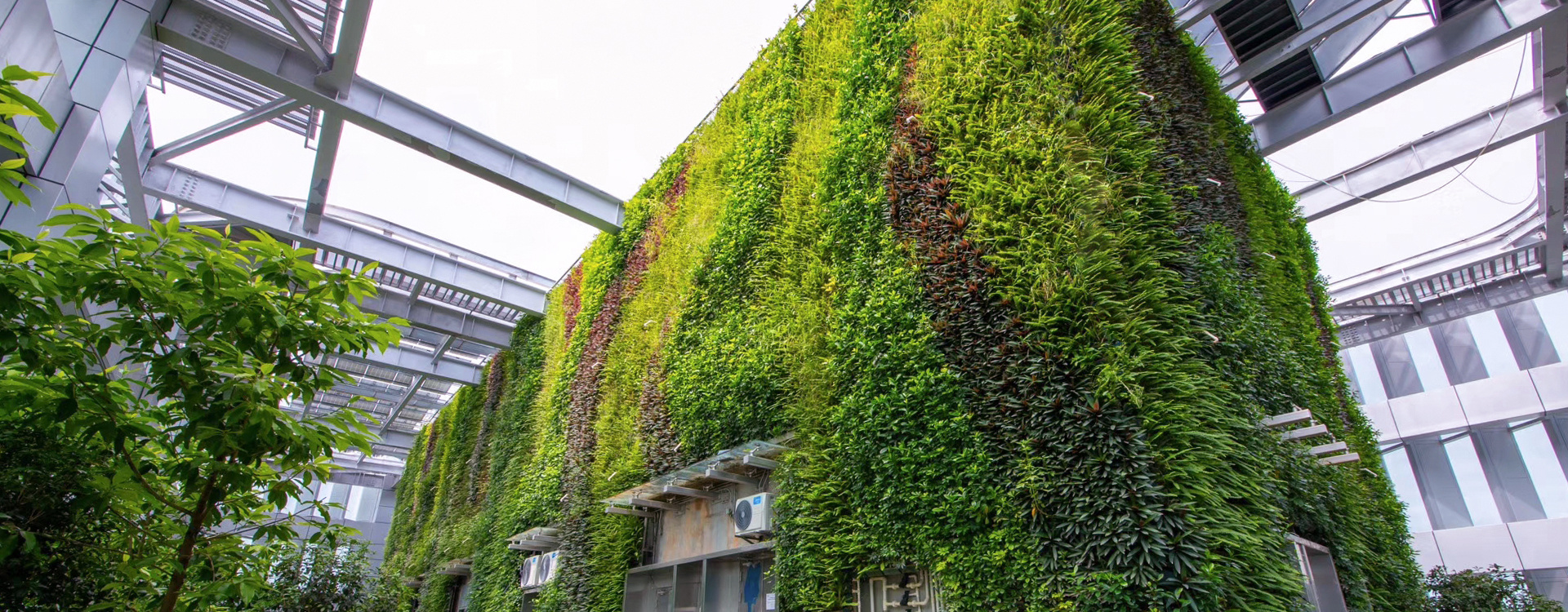
Vertical hydroponic systems take the traditional hydroponic setup to new heights—literally. By arranging plants vertically, these systems maximize the growing area while minimizing the footprint. This innovative arrangement allows for improved light exposure and air circulation, creating an optimal environment for plant growth. Vertical systems come in various configurations, including towers, walls, and racks, making them versatile for different spaces.
What are Discount Vertical Systems?
Discount vertical systems refer to affordable hydroponic setups designed to provide an accessible entry point for novice gardeners and budget-conscious growers. These systems often utilize cost-effective materials and simplified designs, making them easier to set up and maintain. Despite their lower cost, discount vertical systems can still yield impressive results, offering an excellent opportunity for learning and experimentation.
Key Components of Vertical Hydroponic Systems
Understanding the fundamental components of vertical hydroponic systems is essential for successful gardening:
Nutrient Solution
The nutrient solution is at the heart of hydroponics. It contains essential minerals and nutrients necessary for plant growth. Growers can either mix their own nutrient solutions or purchase pre-made options tailored for hydroponics.
Growing Medium
While hydroponics doesn’t use soil, a growing medium is often employed to support plant roots. Popular options include rock wool, coconut coir, and perlite, each offering unique benefits.
Light Source
Plants require adequate light for photosynthesis. In vertical systems, especially those indoors, growers may need to supplement natural light with grow lights. LED grow lights are energy-efficient and effective for all stages of plant growth.
Pump and Reservoir
A pump circulates the nutrient solution from the reservoir to the plants. The reservoir holds the nutrient solution and must be checked regularly to ensure it is at the correct levels and nutrient concentrations.
Framework
The framework supports the vertical arrangement of plants. It can be constructed from various materials, including PVC pipes, wood, or metal, depending on the design and budget.
Setting Up Your Discount Vertical System
Establishing your discount vertical system involves several steps:
1. Choose Your Location
Find a suitable location that receives adequate light and is accessible for maintenance. Indoor setups may require supplemental lighting.
2. Gather Materials
Collect the necessary components—reservoir, pump, growing medium, and nutrient solution. Ensure that all materials are suitable for hydroponics.
3. Construct the Framework
Build or assemble the framework based on your chosen design. Ensure it is sturdy enough to support the weight of the plants and growing medium.
4. Install the Pump and Reservoir
Set up the pump and reservoir, ensuring that the pump is submerged in the nutrient solution and correctly connected to the growing system.
5. Add Growing Medium and Seeds
Fill your vertical system with the chosen growing medium, then plant your seeds or seedlings. Ensure they are positioned to receive adequate light.
Maintenance and Care of Vertical Hydroponics
To ensure the success of your vertical hydroponic garden, regular maintenance is crucial:
Monitor Nutrient Levels
Regularly check the nutrient solution to maintain the correct pH and nutrient levels. Adjust as necessary to ensure optimal plant growth.
Prune Plants
Proper pruning helps manage plant growth and improve air circulation. Remove dead or yellowing leaves to promote overall plant health.
Check for Pests and Diseases
Even in hydroponics, pests and diseases can occur. Inspect plants regularly and take prompt action if you notice any issues.
Clean the System
Periodically clean the reservoir, pump, and growing medium to prevent the buildup of algae or harmful bacteria.
Common Mistakes to Avoid in Hydroponics
To achieve the best results from your vertical hydroponic system, avoid these common pitfalls:
- Neglecting pH Levels: Failing to monitor pH can lead to nutrient lockout and poor plant health.
- Overwatering or Underwatering: Ensure that the water level in the reservoir is maintained and that plants receive adequate hydration without waterlogging.
- Ignoring Light Requirements: Failing to provide sufficient light can stunt growth; adjust lighting as plants grow.
- Using Improper Nutrient Solutions: Always use nutrients formulated for hydroponics, as traditional fertilizers may not be suitable.
Frequently Asked Questions
1. What plants are best suited for hydroponic systems?
Leafy greens like lettuce, herbs such as basil, and small fruiting plants like strawberries are excellent choices for hydroponic systems.
2. How much space do I need for a vertical hydroponic system?
Vertical hydroponic systems can be designed to fit in small spaces, making them suitable for apartments or urban gardens.
3. How often should I change the nutrient solution?
It’s advisable to change the nutrient solution every two weeks to maintain optimal nutrient levels and prevent algae growth.
4. Can I use tap water for my hydroponic system?
Tap water can be used, but it’s crucial to check the pH and chlorine levels. If necessary, let it sit for 24 hours to dissipate chlorine before using it in your system.
5. Is hydroponics difficult for beginners?
While there is a learning curve, hydroponics can be manageable for beginners with the right guidance and resources. Starting with a discount vertical system can make it more accessible.
Conclusion
Hydroponics offers a revolutionary way to grow plants without the limitations of soil. Discount vertical systems provide an affordable and efficient means of entering this fascinating world of soilless gardening. By understanding the fundamentals and following the steps outlined in this guide, anyone can cultivate a thriving vertical hydroponic garden, regardless of their gardening experience. Embrace the future of gardening and enjoy the bounty that hydroponics has to offer!
Discount vertical hydroponic system
Related News
2026-04-04

Tel : 086-769-28334884
Phone : 086-136-2002-9145
Address : Building C, Xiaqiao Industrial Park, Dongcheng District, Dongguan City, Guangdong Province
Copyright © 2024 Dongguan Mengyuan Environmental Technology Co., Ltd.