



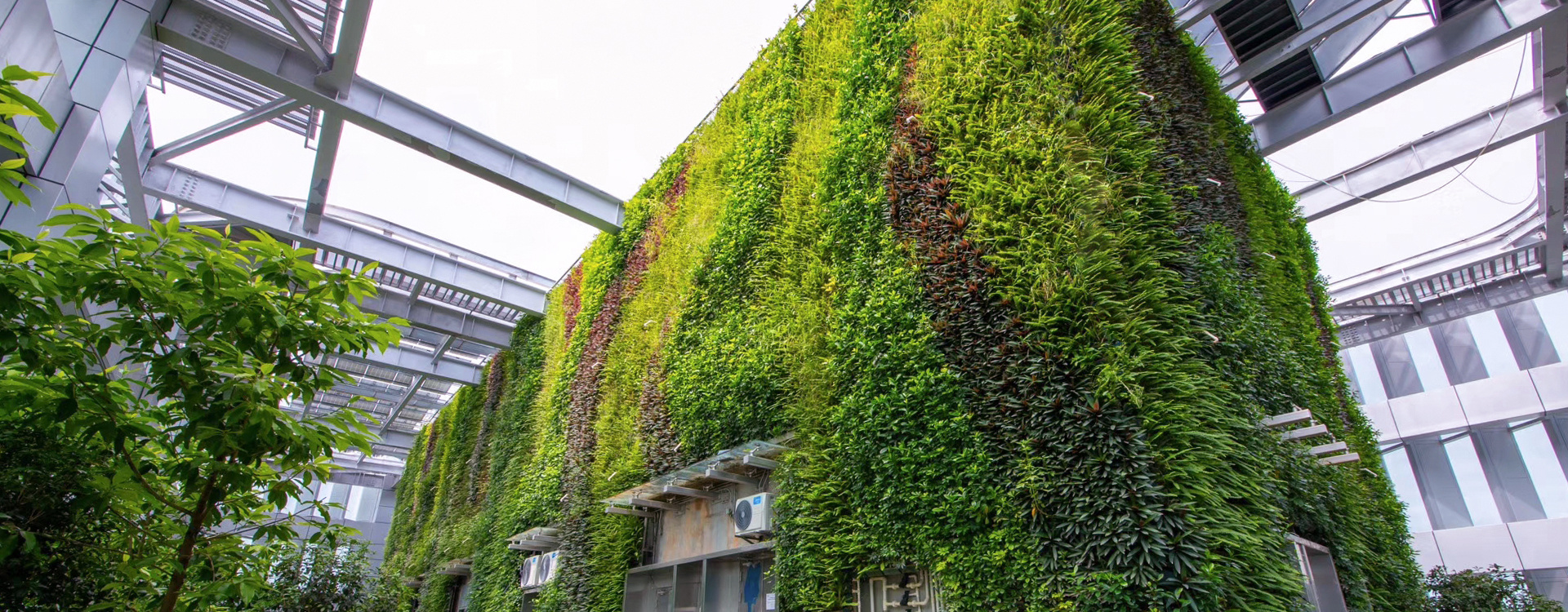
Vertical Wall Garden Planters: Affordable Solutions for Sustainable Urban Greenery
Release time:
2026-01-09 10:20
Vertical Wall Garden Planters: Affordable Solutions for Sustainable Urban Greenery
Table of Contents
- 1. Introduction to Vertical Wall Gardens
- 2. Benefits of Vertical Wall Garden Planters
- 3. Types of Vertical Wall Garden Planters
- 4. How to Choose the Right Vertical Garden Planter
- 5. Installation Tips for Vertical Wall Garden Planters
- 6. Best Plants for Vertical Gardens
- 7. Maintenance of Vertical Wall Garden Planters
- 8. Budget-Friendly Vertical Wall Gardening Solutions
- 9. Frequently Asked Questions
- 10. Conclusion
1. Introduction to Vertical Wall Gardens
In urban environments, space can often feel limited, making traditional gardening methods challenging. **Vertical wall garden planters** provide an innovative solution, allowing urban dwellers to cultivate plants without requiring extensive ground space. These planters can be mounted on walls, balconies, or fences, transforming any bare vertical surface into a lush green display. This guide will explore the myriad benefits of vertical gardening and offer practical solutions to help you get started on your green living journey.
2. Benefits of Vertical Wall Garden Planters
Integrating vertical wall garden planters into your living space offers numerous advantages:
2.1 Space-Saving Design
Utilizing vertical space allows you to maximize your gardening potential. **Vertical planters** can fit into small areas such as balconies, patios, or even indoor walls, making them ideal for apartment dwellers.
2.2 Enhanced Aesthetics
Vertical gardens create stunning visual displays. The variety of colors, textures, and shapes can enhance your home's décor, making it an eye-catching feature.
2.3 Improved Air Quality
Plants naturally filter the air, removing toxins and producing oxygen. By adding a vertical garden, you contribute to a healthier living environment.
2.4 Increased Biodiversity
Vertical gardens can attract beneficial insects, birds, and butterflies, promoting a diverse ecosystem right in your backyard.
3. Types of Vertical Wall Garden Planters
Choosing the right type of vertical wall garden planter is essential for achieving your gardening goals. Here are several popular options:
3.1 Pocket Planters
**Pocket planters** are fabric pouches that can be hung on a wall. They are lightweight, easy to install, and offer excellent drainage. Ideal for herbs and small flowering plants, these planters are perfect for beginners.
3.2 Stacked Planters
**Stacked planters** consist of multiple tiers of pots or containers stacked on top of one another. This design not only saves space but also provides ample room for a variety of plants. These planters are perfect for cascading flowers or trailing vines.
3.3 Vertical Pallet Gardens
A **vertical pallet garden** involves repurposing wooden pallets to create a unique gardening structure. With a bit of creativity, you can fill the spaces between the slats with soil and plants, allowing for a rustic and charming garden display.
3.4 Hanging Planters
**Hanging planters** can be suspended from walls or ceilings, allowing for a dynamic arrangement of plants. These planters can vary in size and shape, providing flexibility in design. They are particularly suitable for trailing plants like pothos or ivy.
4. How to Choose the Right Vertical Garden Planter
Selecting the right vertical garden planter depends on several factors:
4.1 Assess Your Space
Evaluate the area where you plan to install your vertical garden. Consider the amount of sunlight the area receives and whether there are any obstructions, such as overhead structures.
4.2 Determine Your Budget
Vertical garden planters come in various price ranges. Identify your budget before shopping, and remember that more expensive options may offer better durability or features.
4.3 Choose the Right Material
Common materials include wood, fabric, plastic, and metal. Each material has its own pros and cons concerning weight, drainage, and aesthetics.
4.4 Plant Compatibility
Consider which plants you want to grow. Some plants require deeper pots, while others thrive in smaller spaces. Select a planter that accommodates the specific needs of your chosen plants.
5. Installation Tips for Vertical Wall Garden Planters
Setting up your vertical wall garden planter can be straightforward if you follow these guidelines:
5.1 Gather Your Tools
Before starting, ensure you have all necessary tools, including a drill, screws, and a level to ensure even installation.
5.2 Choose the Right Location
Select a spot that receives adequate sunlight for the plants you plan to grow. Most herbs and flowering plants thrive in full sun, while ferns and shade-tolerant plants prefer indirect light.
5.3 Securely Mount Your Planters
Ensure that your vertical planters are securely mounted to prevent accidents. Use wall anchors if needed, especially for heavier planters.
5.4 Prepare for Soil and Plants
Before planting, fill each compartment with quality potting soil. Make sure to adequately water your plants after transplanting to help them establish roots.
6. Best Plants for Vertical Gardens
Selecting the right plants is crucial for a successful vertical garden. Here are some of the best options:
6.1 Herbs
Herbs like basil, thyme, and mint thrive in vertical gardens and are often used in cooking, making them a practical choice for any home chef.
6.2 Succulents
Succulents require minimal maintenance and come in various shapes and sizes, making them ideal for vertical planters, especially in bright light conditions.
6.3 Flowering Plants
Consider flowering plants like petunias, fuchsias, or nasturtiums for vibrant color in your vertical garden. These plants can add visual interest and attract pollinators.
6.4 Ferns
Ferns are perfect for lower-light areas and add lush greenery to your vertical garden. They thrive in humidity and can soften the look of your garden.
6.5 Vining Plants
Vining plants such as ivy and climbing roses can be trained to grow along your vertical garden, creating a stunning living tapestry.
7. Maintenance of Vertical Wall Garden Planters
Regular maintenance is key to the health of your vertical wall garden. Here are some essential tasks:
7.1 Watering
Vertical gardens require consistent watering, as the soil can dry out quickly. Consider using a drip irrigation system for convenience.
7.2 Fertilizing
Apply a balanced, slow-release fertilizer every few months to ensure your plants receive adequate nutrients.
7.3 Pruning
Regularly prune your plants to promote healthy growth and prevent overcrowding. This also helps in maintaining a tidy appearance.
7.4 Pest Management
Monitor your garden for pests and disease. Use natural pest control methods whenever possible to protect your plants and the environment.
8. Budget-Friendly Vertical Wall Gardening Solutions
Creating a vertical garden doesn't have to break the bank. Here are some cost-effective solutions:
8.1 DIY Planters
Consider building your own vertical garden using recycled materials like wooden pallets, plastic bottles, or old crates. This not only saves money but also adds a personal touch.
8.2 Thrift Store Finds
Visit thrift stores or garage sales for inexpensive planters that can be repurposed for vertical gardening.
8.3 Community Gardens
Join a local community garden where you can share resources and knowledge with fellow gardening enthusiasts.
9. Frequently Asked Questions
9.1 What plants are best for a vertical wall garden?
Ideal plants include herbs, flowering plants, succulents, ferns, and vining plants.
9.2 How much sunlight do vertical gardens need?
Most vertical gardens thrive in full sun, but some plants can tolerate partial shade. Assess your space's light conditions before planting.
9.3 How do I maintain a vertical garden?
Regular watering, fertilizing, pruning, and pest management are essential for maintaining a healthy vertical garden.
9.4 Can I grow vegetables in a vertical garden?
Yes, many vegetables can thrive in vertical gardens, especially smaller varieties like cherry tomatoes, peppers, and leafy greens.
9.5 Are vertical wall planters easy to install?
Yes, with the right tools and preparation, vertical wall planters can be easily installed. Follow the manufacturer's instructions for best results.
10. Conclusion
Vertical wall garden planters present an excellent opportunity for urban dwellers to embrace the beauty and benefits of gardening without the constraints of limited space. By understanding the various types of planters, selecting the right plants, and implementing proper maintenance practices, anyone can create a vibrant vertical garden. With the affordable solutions discussed in this article, you can contribute to a greener lifestyle while enhancing the aesthetics of your living environment. Embrace the joy of gardening and start your vertical gardening journey today!
Cheapest vertical wall garden planter
Related News
2026-04-04

Tel : 086-769-28334884
Phone : 086-136-2002-9145
Address : Building C, Xiaqiao Industrial Park, Dongcheng District, Dongguan City, Guangdong Province
Copyright © 2024 Dongguan Mengyuan Environmental Technology Co., Ltd.
business license