



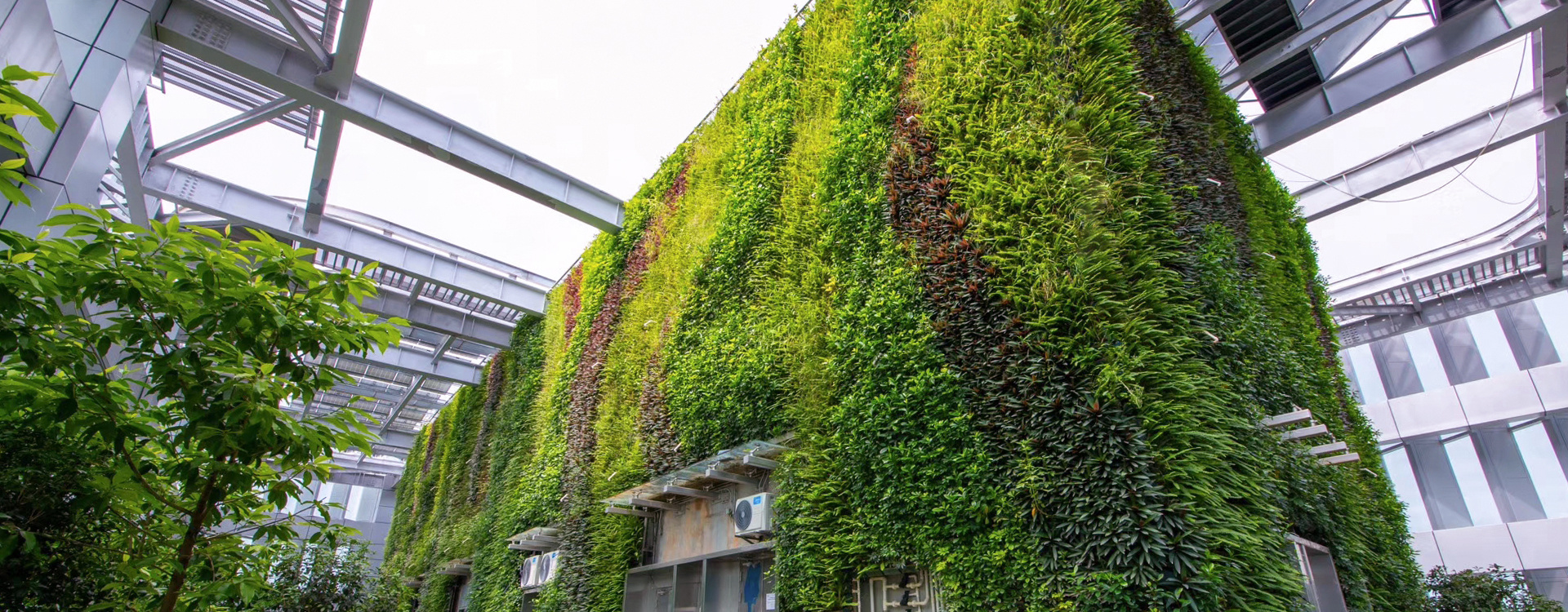
The Top Features to Look for in a Discount Vertical Hydroponic System
Release time:
2026-02-08 16:30
The Top Features to Look for in a Discount Vertical Hydroponic System
As indoor gardening continues to gain popularity, many gardening enthusiasts are exploring hydroponic systems for their ability to produce healthy plants in limited spaces. Among these, vertical hydroponic systems have emerged as a favorite due to their efficiency and convenience. However, with a plethora of options available, especially in the discount category, it becomes imperative to understand the key features that define a quality vertical hydroponic system. In this article, we will delve into the critical elements that you should consider before making a purchase.
Table of Contents
- 1. Understanding Vertical Hydroponic Systems
- 2. Space Efficiency: Why Vertical Matters
- 3. Nutrient Delivery Systems: What to Look For
- 4. Construction Materials: Durability and Safety
- 5. Lighting Solutions: Importance of Grow Lights
- 6. Water Management: Essential Features
- 7. Ease of Assembly and Maintenance
- 8. Cost-Effectiveness: Finding the Right Balance
- 9. FAQs about Vertical Hydroponic Systems
- 10. Conclusion
1. Understanding Vertical Hydroponic Systems
Vertical hydroponic systems utilize a unique method of growing plants without soil. Instead, they rely on nutrient-rich water solutions delivered directly to the plant roots. The vertical aspect of these systems maximizes space, allowing you to grow a larger number of plants in a confined area. This innovative approach not only enhances yield but also makes it easier to manage indoor gardening.
2. Space Efficiency: Why Vertical Matters
One of the most compelling reasons to choose a **vertical hydroponic system** is its space-saving design. Traditional gardening requires ample horizontal space, making it challenging for urban dwellers or those with limited outdoor areas. With vertical systems, you can grow plants upwards, taking advantage of height rather than width. This is particularly beneficial for those looking to maximize production in small apartments or homes.
Vertical Growing Techniques
Vertical hydroponic systems employ various techniques, such as tower gardens, wall-mounted setups, and rack systems. Each of these methods provides unique benefits in terms of space optimization and plant accessibility. When evaluating discount systems, it’s essential to assess which vertical technique aligns best with your gardening goals.
3. Nutrient Delivery Systems: What to Look For
The effectiveness of a hydroponic system largely hinges on its nutrient delivery mechanism. An efficient system ensures that your plants receive the right amount of nutrients directly to their roots. Look for systems that offer:
- Drip Irrigation: Provides a steady flow of nutrient solution, minimizing waste.
- Deep Water Culture: Keeps roots submerged in oxygenated nutrient solution for optimal growth.
- Nutrient Film Technique: Allows a thin film of nutrient solution to flow over the roots, ensuring they absorb essential nutrients.
4. Construction Materials: Durability and Safety
The materials used in the construction of a vertical hydroponic system can significantly impact its lifespan and safety. Affordable options may skimp on quality, which can lead to issues down the line. Look for systems made from:
- Food-Grade Plastic: Ensures that no harmful chemicals leach into your plants.
- Metal Frames: Provide durability and sturdiness, especially for taller systems.
- UV-Resistant Materials: Help prevent degradation from exposure to light.
5. Lighting Solutions: Importance of Grow Lights
Effective lighting is essential for indoor gardening success. While natural sunlight is ideal, many indoor growers rely on artificial grow lights to supplement or replace sunlight. When selecting a vertical hydroponic system, consider the following lighting options:
- LED Grow Lights: Energy-efficient and low-heat options that promote healthy plant growth.
- Fluorescent Lights: Cost-effective and widely available, suitable for smaller setups.
- Full-Spectrum Lights: Mimic natural sunlight, providing plants with the necessary wavelengths for photosynthesis.
6. Water Management: Essential Features
Proper water management is crucial for maintaining a successful hydroponic system. The system should allow for efficient water circulation and drainage to prevent root rot and other water-related issues. Choose systems that include:
- Reservoirs: Adequate size for storing nutrient solutions.
- Drains: Facilitate easy maintenance and cleaning.
- Water Level Indicators: Help monitor nutrient solution levels for optimal plant growth.
7. Ease of Assembly and Maintenance
When investing in a hydroponic system, consider how easy it is to assemble and maintain. Complex systems may deter you from using them effectively. Look for systems that come with:
- Clear Instructions: Detailed guides that simplify the setup process.
- Modular Designs: Allow for easy expansion or reconfiguration as your gardening needs change.
- Accessible Components: Ensure easy maintenance and replacement of parts.
8. Cost-Effectiveness: Finding the Right Balance
A discount vertical hydroponic system can offer significant savings, but it’s essential to balance cost with quality. Assess the overall value by considering:
- Long-Term Durability: A well-made system may require a higher initial investment but save money in the long run.
- Return on Investment: Calculate the potential yield and savings from growing your own food.
- Warranty and Support: Systems that come with warranties provide peace of mind.
9. FAQs about Vertical Hydroponic Systems
1. How much space do I need for a vertical hydroponic system?
A vertical hydroponic system can fit in various spaces, including small balconies and kitchens. It's vital to measure your available area and choose a system that maximizes vertical space.
2. Can I grow any plants in a vertical hydroponic system?
Most leafy greens, herbs, and some fruiting plants thrive in vertical hydroponic setups. Research specific plant requirements for optimal growth.
3. How often do I need to change the nutrient solution?
Typically, you should change the nutrient solution every two to three weeks, but this can vary based on plant growth and nutrient absorption rates.
4. What is the best lighting setup for indoor vertical hydroponics?
Full-spectrum LED grow lights are generally the best option, as they provide the necessary wavelengths plants need while being energy-efficient.
5. How can I maintain a stable temperature and humidity level?
Use fans and thermostats to regulate temperature and humidity within the growing environment. Monitoring these factors will help ensure optimal plant growth.
10. Conclusion
Choosing a discount vertical hydroponic system involves more than just looking for the lowest price. By focusing on features such as space efficiency, nutrient delivery systems, construction materials, lighting solutions, water management, ease of assembly, and overall cost-effectiveness, you can make an informed decision that meets your gardening needs. Whether you are a novice or an experienced grower, investing in the right vertical hydroponic system can elevate your indoor gardening experience, leading to a bountiful harvest of fresh, nutritious produce. Take your time to explore the options available, and soon, you will enjoy the fruits of your labor right from the comfort of your home.
Discount vertical hydroponic system
preceding page
Related News
2026-05-14

Tel : 086-769-28334884
Phone : 086-136-2002-9145
Address : Building C, Xiaqiao Industrial Park, Dongcheng District, Dongguan City, Guangdong Province
Copyright © 2024 Dongguan Mengyuan Environmental Technology Co., Ltd.
business license