



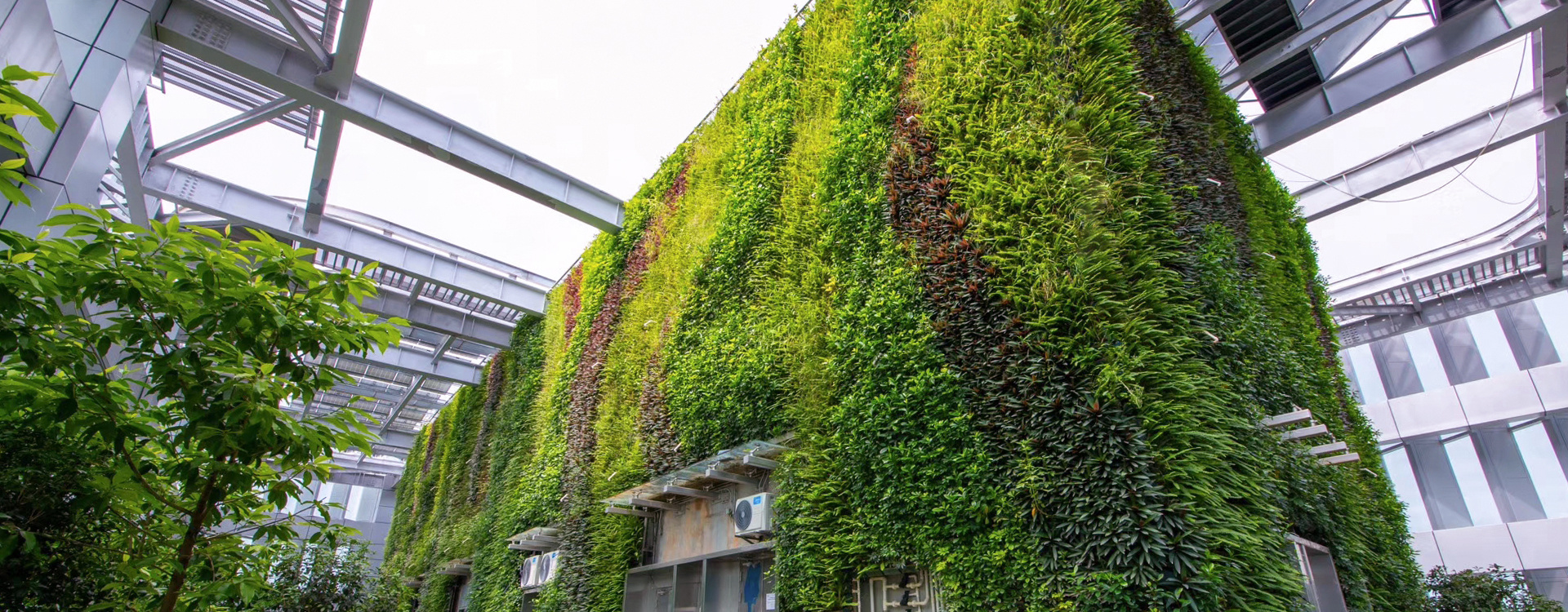
The Future of Agriculture: Customized Vertical Hydroponic Systems Explained
Release time:
2026-05-19 15:00
The Future of Agriculture: Customized Vertical Hydroponic Systems Explained
Table of Contents
- 1. Introduction to Vertical Hydroponic Systems
- 2. What is Hydroponics?
- 3. The Concept of Vertical Farming
- 4. Advantages of Customized Vertical Hydroponic Systems
- 5. Key Components of a Vertical Hydroponic System
- 6. Tailoring Hydroponic Systems for Different Agricultural Needs
- 7. Case Studies: Successful Implementations
- 8. The Future of Agriculture: Trends and Innovations
- 9. FAQs about Vertical Hydroponic Systems
- 10. Conclusion
1. Introduction to Vertical Hydroponic Systems
In recent years, **agriculture** has undergone significant transformations driven by technological advancements. Among these innovations, **customized vertical hydroponic systems** are emerging as a game changer. This article explores how these systems not only address food production challenges but also promote sustainable practices vital for the future of farming.
2. What is Hydroponics?
Hydroponics is a method of growing plants without soil, utilizing nutrient-rich water instead. The absence of soil allows for **controlled growing conditions**, which minimizes pests and diseases, leading to healthier crops. Hydroponics is versatile, enabling growth in various environments—from urban settings to arid regions—making it an ideal solution for the pressing challenges in modern agriculture.
3. The Concept of Vertical Farming
Vertical farming is the practice of **growing crops in stacked layers** or vertically inclined surfaces, often integrated with hydroponic systems. This approach maximizes space efficiency and allows for the cultivation of more crops in a smaller area. As urban populations continue to rise, vertical farming offers a sustainable way to produce food closer to consumers, reducing transportation costs and emissions.
4. Advantages of Customized Vertical Hydroponic Systems
Customized vertical hydroponic systems provide numerous benefits that extend beyond traditional farming methods. Here are some of the key advantages:
4.1 Enhanced Space Utilization
By using vertical space, these systems allow for higher density planting, which significantly increases the amount of produce grown per square foot. This is particularly advantageous in urban settings where land is scarce and expensive.
4.2 Water Efficiency
Hydroponic systems use up to **90% less water** than conventional agriculture. The water is recirculated in a closed system, reducing waste and ensuring that plants receive the precise amount they need for optimal growth.
4.3 Faster Growth Rates
Plants grown hydroponically typically experience faster growth rates due to the direct availability of nutrients. This leads to quicker harvest cycles and can significantly increase overall yield.
4.4 Year-Round Production
Customized systems can be designed to provide optimal growing conditions year-round, independent of external climate variables. This consistency is crucial for ensuring a reliable food supply.
4.5 Reduced Pesticide Use
The controlled environment of hydroponic systems minimizes exposure to pests, allowing farmers to significantly reduce or even eliminate the use of pesticides. This leads to healthier produce and a lower environmental impact.
5. Key Components of a Vertical Hydroponic System
To create an efficient **customized vertical hydroponic system**, several essential components must be considered:
5.1 Growing Medium
While traditional hydroponics often uses water alone, many systems incorporate inert growing mediums such as clay pellets, coconut coir, or rock wool to provide additional support and aeration for roots.
5.2 Nutrient Delivery System
An effective nutrient delivery system ensures that plants receive the essential vitamins and minerals they need. This can include drip systems, nutrient film techniques, or aeroponic setups that mist the roots directly.
5.4 Lighting Solutions
Given that vertical farms are often situated indoors or in areas with limited natural light, effective **lighting systems** such as LED grow lights are crucial for photosynthesis and plant health.
6. Tailoring Hydroponic Systems for Different Agricultural Needs
Customization is vital in ensuring that vertical hydroponic systems meet specific agricultural requirements. The following factors should be considered:
6.1 Crop Selection
Different crops have varying nutrient needs, growth habits, and light requirements. Tailoring the system to suit specific crops, whether leafy greens or fruit-bearing plants, is crucial for maximizing yield.
6.2 Environmental Control
Temperature, humidity, and CO2 levels can all impact plant growth. **Automated climate control systems** can be implemented to maintain optimal growing conditions, ensuring healthy and robust crops.
6.3 System Scalability
Customized systems can be designed for scalability, accommodating small urban gardens or large commercial operations. This adaptability allows farmers to expand their operations as needed.
7. Case Studies: Successful Implementations
Examining successful examples of customized vertical hydroponic systems provides insight into their practicality and effectiveness.
7.1 Urban Farm Initiatives
Cities like New York and Dubai have adopted vertical farming initiatives in repurposed buildings, effectively addressing local food security issues while promoting sustainability.
7.2 Educational Programs
Several schools have implemented vertical hydroponic systems as part of their curriculum, teaching students about agriculture, sustainability, and nutrition through hands-on experiences.
8. The Future of Agriculture: Trends and Innovations
As technology continues to advance, the future of agriculture is bright. New innovations in automation, AI, and biotechnology are paving the way for even more efficient and customized hydroponic systems. Techniques such as **vertical integration of renewable energy** sources can further enhance sustainability.
9. FAQs about Vertical Hydroponic Systems
What crops can be grown using vertical hydroponic systems?
Vertical hydroponic systems can support a variety of crops, including leafy greens, herbs, and even fruit-bearing plants like strawberries and tomatoes.
How much space do I need for a vertical hydroponic system?
The space required depends on the scale of your operation. Customized systems can be designed for small urban spaces to larger commercial setups.
Are vertical hydroponic systems cost-effective?
While the initial investment can be higher than traditional farming methods, the long-term savings on water, space, and labor can make vertical hydroponics a cost-effective solution.
Do vertical hydroponic systems require a lot of maintenance?
Maintenance varies by system, but regular monitoring of nutrient levels, pH, and environmental conditions is essential for optimal performance.
Can vertical hydroponic systems be used in homes?
Absolutely! Many homeowners are adopting smaller vertical hydroponic systems to grow fresh produce in their kitchens or backyards.
10. Conclusion
Customized vertical hydroponic systems are revolutionizing the way we approach agriculture. By maximizing space, conserving resources, and providing a controlled environment for plant growth, these systems are not only addressing current food production challenges but also paving the way for a sustainable future. As we continue to explore innovative solutions within this field, the potential for vertical hydroponics to transform global agriculture remains vast and promising. Embracing these technologies will be essential for meeting the demands of an ever-growing population while protecting our planet's resources.
customized vertical hydroponic system
Related News

Tel : 086-769-28334884
Phone : 086-136-2002-9145
Address : Building C, Xiaqiao Industrial Park, Dongcheng District, Dongguan City, Guangdong Province
Copyright © 2024 Dongguan Mengyuan Environmental Technology Co., Ltd.
business license