



Unlocking the Potential of Green Roof Planters: A Guide for Professionals
Release time:
2026-05-24 13:50
---
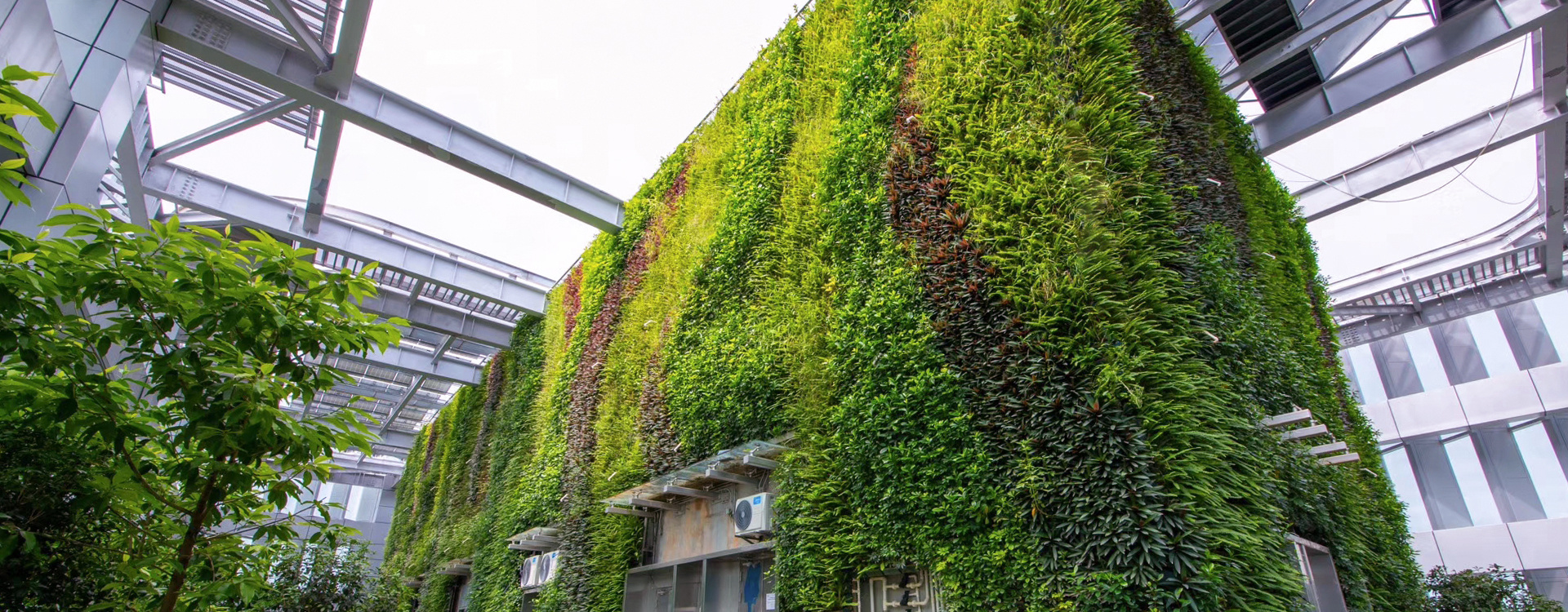
As urbanization accelerates, the demand for sustainable gardening solutions has risen sharply, making Green Roof Planter production a vital area for professionals in the horticultural tools and equipment sector. Green roofs, often referred to as living roofs, are layered systems that support vegetation on rooftops, providing numerous ecological benefits while enhancing aesthetic appeal. Here, we dissect the essentials surrounding Green Roof Planter factories, ensuring that horticulture professionals stay ahead in this burgeoning market.
**Understanding Green Roof Planters**
Green roof planters are specially designed containers that hold soil and plants, allowing for the effective cultivation of greenery on rooftops. They are critical for creating robust green roofs that manage stormwater, reduce heat absorption, and improve air quality. The materials utilized in these planters must be lightweight yet durable, to withstand weather conditions while supporting the growth of diverse plant species.
**Key Considerations for Production**
1. **Material Selection**: The choice of materials for green roof planters is crucial. They should be non-toxic, lightweight, and capable of withstanding varying climate conditions. Common materials include recycled plastics, composites, and metals that provide durability without adding excessive weight to the roof structure.
2. **Design Innovation**: The design must prioritize drainage and aeration to ensure healthy root development and prevent waterlogging. Innovative designs that incorporate self-watering features or modular units can enhance the functionality and appeal of the planters.
3. **Sustainability Practices**: A focus on sustainability is essential in the production process. Factories should consider energy-efficient manufacturing techniques and aim to minimize waste. Using recycled materials not only supports sustainability but can also appeal to environmentally conscious consumers.
**Market Insights**
The increasing urban population and a growing emphasis on green spaces in cities are driving demand for green roof planters. Professionals in the agricultural tools and equipment sector should be aware of the trends towards urban farming and vertical gardening, which are creating opportunities for innovative planter designs. Engaging in market research can provide insights into customer preferences and emerging design trends.
**Marketing and Distribution**
Effective marketing strategies should highlight the ecological benefits and aesthetic improvements that green roof planters offer. Collaborating with landscape architects and urban planners can help broaden outreach and introduce these products into new projects. Additionally, online platforms can serve as vital channels for reaching potential clients, offering educational content that positions your brand as a thought leader in sustainable gardening.
**Conclusion**
The future of green roof planters is promising, with increasing urbanization driving the need for sustainable green spaces. By focusing on material quality, innovative design, and sustainable production practices, professionals in the agriculture and horticultural sectors can lead the way in this environmentally friendly movement. Embracing these principles in your Green Roof Planter factory is not just a business opportunity; it is a chance to contribute positively to urban ecosystems.
As urbanization accelerates, the demand for sustainable gardening solutions has risen sharply, making Green Roof Planter production a vital area for professionals in the horticultural tools and equipment sector. Green roofs, often referred to as living roofs, are layered systems that support vegetation on rooftops, providing numerous ecological benefits while enhancing aesthetic appeal. Here, we dissect the essentials surrounding Green Roof Planter factories, ensuring that horticulture professionals stay ahead in this burgeoning market.
**Understanding Green Roof Planters**
Green roof planters are specially designed containers that hold soil and plants, allowing for the effective cultivation of greenery on rooftops. They are critical for creating robust green roofs that manage stormwater, reduce heat absorption, and improve air quality. The materials utilized in these planters must be lightweight yet durable, to withstand weather conditions while supporting the growth of diverse plant species.
**Key Considerations for Production**
1. **Material Selection**: The choice of materials for green roof planters is crucial. They should be non-toxic, lightweight, and capable of withstanding varying climate conditions. Common materials include recycled plastics, composites, and metals that provide durability without adding excessive weight to the roof structure.
2. **Design Innovation**: The design must prioritize drainage and aeration to ensure healthy root development and prevent waterlogging. Innovative designs that incorporate self-watering features or modular units can enhance the functionality and appeal of the planters.
3. **Sustainability Practices**: A focus on sustainability is essential in the production process. Factories should consider energy-efficient manufacturing techniques and aim to minimize waste. Using recycled materials not only supports sustainability but can also appeal to environmentally conscious consumers.
**Market Insights**
The increasing urban population and a growing emphasis on green spaces in cities are driving demand for green roof planters. Professionals in the agricultural tools and equipment sector should be aware of the trends towards urban farming and vertical gardening, which are creating opportunities for innovative planter designs. Engaging in market research can provide insights into customer preferences and emerging design trends.
**Marketing and Distribution**
Effective marketing strategies should highlight the ecological benefits and aesthetic improvements that green roof planters offer. Collaborating with landscape architects and urban planners can help broaden outreach and introduce these products into new projects. Additionally, online platforms can serve as vital channels for reaching potential clients, offering educational content that positions your brand as a thought leader in sustainable gardening.
**Conclusion**
The future of green roof planters is promising, with increasing urbanization driving the need for sustainable green spaces. By focusing on material quality, innovative design, and sustainable production practices, professionals in the agriculture and horticultural sectors can lead the way in this environmentally friendly movement. Embracing these principles in your Green Roof Planter factory is not just a business opportunity; it is a chance to contribute positively to urban ecosystems.
Green Roof Planter factory
Related News

Tel : 086-769-28334884
Phone : 086-136-2002-9145
Address : Building C, Xiaqiao Industrial Park, Dongcheng District, Dongguan City, Guangdong Province
Copyright © 2024 Dongguan Mengyuan Environmental Technology Co., Ltd.
business license