



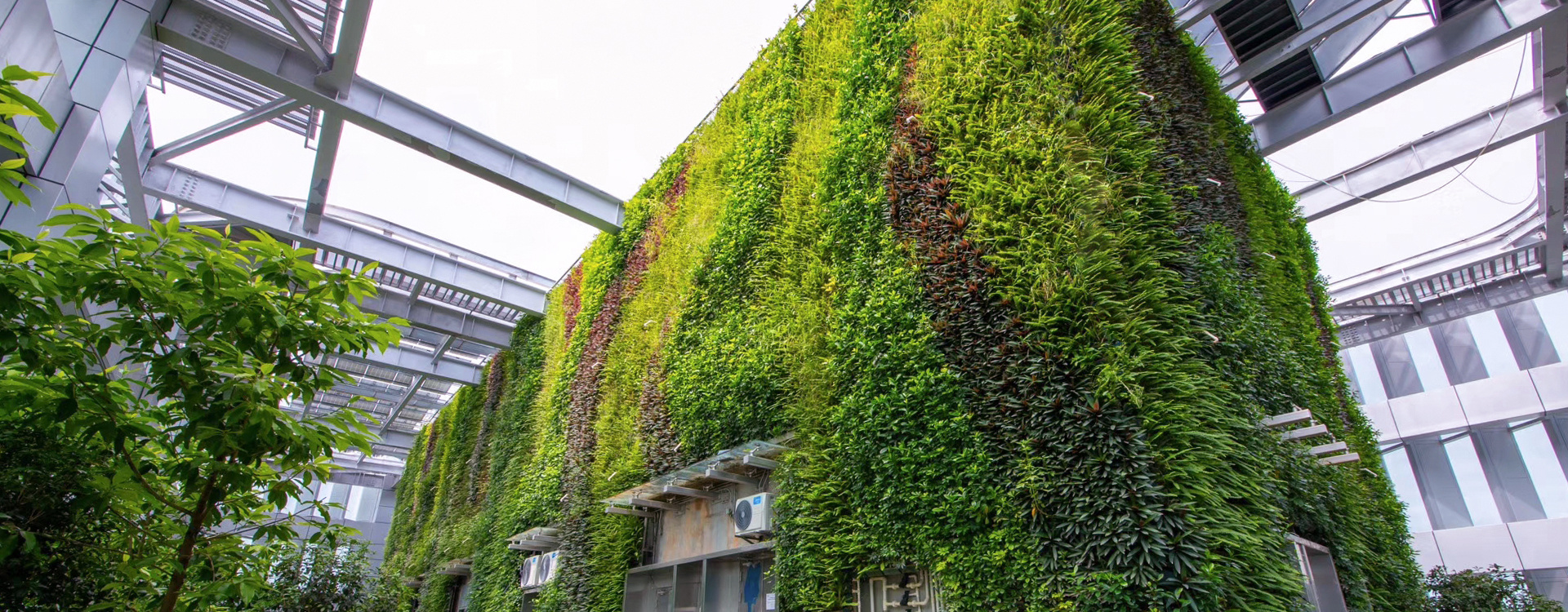
Vertical Wall Garden Planters: The Perfect Solution for Small Spaces
Release time:
2026-05-29 16:10
Introduction to Vertical Wall Garden Planters
In today's urban landscape, where **space is often at a premium**, finding innovative solutions for gardening can be challenging. Vertical wall garden planters offer a unique opportunity to cultivate plants in **limited spaces**, turning walls into lush green canvases. This article delves into the versatility of vertical wall garden planters, exploring their numerous benefits and guiding you through the setup process.
The Benefits of Vertical Wall Garden Planters
Vertical wall garden planters are not just a trend; they are a practical solution for those looking to maximize their gardening potential. Here are some key benefits:
1. Maximizing Space Utilization
Small apartments and homes often lack outdoor areas. Vertical planters allow you to utilize wall space efficiently, creating a **green oasis** even in the tiniest of settings. By going vertical, you can grow a variety of plants without taking up valuable floor space.
2. Improved Air Quality
Plants are known for their ability to purify the air. By incorporating vertical gardens into your living space, you can significantly improve indoor air quality. They absorb toxins, release oxygen, and contribute to a healthier environment, making your home a more pleasant place to live.
3. Aesthetic Appeal
Vertical gardens can be stunning visual features. They can transform a dull wall into a vibrant backdrop filled with colors and textures. This **aesthetic improvement** can elevate the overall ambiance of your home, making it more inviting for guests and residents alike.
4. Easy Accessibility
Vertical planters are often easier to maintain than traditional gardens. Since they are at eye level, you can easily access and care for your plants without the need for bending down or kneeling. This accessibility makes gardening more enjoyable and less physically taxing.
5. Versatility in Plant Selection
From herbs and flowers to succulents and vegetables, vertical wall garden planters accommodate a wide variety of plants. This adaptability allows you to customize your garden according to your preferences and the environmental conditions of your space.
Choosing the Right Vertical Wall Garden Planters
Selecting the ideal vertical wall garden planter involves several considerations. Here are some factors to keep in mind:
1. Size and Space
Determine the amount of space available on your wall. Vertical planters come in various sizes, from small pockets for herbs to larger units for climbing plants. Choose a size that fits your wall and provides adequate growing space for your chosen plants.
2. Material
Vertical planters are available in several materials, including plastic, wood, and metal. Each material has its benefits:
- **Plastic** is lightweight, durable, and often UV-resistant.
- **Wood** provides a natural aesthetic but requires treatment to withstand moisture.
- **Metal** offers a modern look and durability, though it may heat up in direct sunlight.
3. Drainage
Proper drainage is crucial for plant health. Ensure your vertical planters have adequate drainage holes to prevent waterlogging, which can lead to root rot. Some planters come with built-in drainage systems, while others may require modification.
4. Irrigation System
Consider how you will water your plants. Some vertical wall gardens come with integrated irrigation systems, while others may require manual watering. Installing a drip irrigation system can simplify maintenance and ensure your plants receive consistent moisture.
Setting Up Your Vertical Wall Garden Planters
Installing vertical wall garden planters is a straightforward process. Follow these steps to set up your garden effectively:
1. Select a Suitable Location
Choose a wall that receives adequate sunlight for the plants you intend to grow. Most vegetables and flowering plants require 6-8 hours of sunlight daily. However, if you opt for shade-loving plants, a less sunlit spot will suffice.
2. Prepare the Wall
Clean the wall surface to remove dirt or debris. If necessary, apply a coat of primer or paint to protect the wall from moisture and soil. Ensure the wall is structurally sound to support the weight of the planter and the soil.
3. Install the Planters
Follow the manufacturer's instructions to secure the vertical planters to the wall. Use appropriate screws and anchors for the wall type, ensuring they are firmly attached. Make sure the planters are level to facilitate proper drainage.
4. Fill with Soil and Plant Selection
Fill your planters with a high-quality potting mix suitable for the plants you're growing. Choose plants that complement each other in terms of growth habits and care requirements. For example, combine trailing plants with upright varieties for a visually striking display.
5. Water and Maintain Your Garden
After planting, water the vertical garden thoroughly. Establish a regular watering schedule, keeping in mind the unique needs of your plants. Regularly check for pests and diseases, and prune as necessary to promote healthy growth.
Vertical Wall Gardens: Plant Ideas for Small Spaces
When it comes to plant selection for your vertical wall garden, the possibilities are endless. Here are some excellent plant choices that thrive in vertical planters:
1. Herbs
Herbs are perfect for vertical gardens as they require minimal space and can be used in cooking. Consider growing basil, parsley, mint, and chives for a fresh culinary experience.
2. Succulents
Succulents are low-maintenance and come in a variety of shapes and colors. They thrive in dry conditions and require little watering, making them ideal for busy urban dwellers.
3. Flowering Plants
Brighten your vertical garden with flowering plants like petunias, pansies, or trailing nasturtiums. These plants add color and attract pollinators, enhancing your garden's ecosystem.
4. Vegetables
Compact vegetable varieties, such as cherry tomatoes, peppers, and strawberries, can thrive in vertical gardens. These plants not only provide fresh produce but also add an attractive element to your garden.
5. Ferns
If you're looking for shade-loving plants, ferns are an excellent choice. They add greenery and texture to your vertical garden and thrive in lower light conditions.
Maintaining Your Vertical Wall Garden
Regular maintenance is essential for the success of your vertical wall garden. Here are some tips to keep it thriving:
1. Watering
Monitor moisture levels in your planter. Depending on the plants and the environment, you may need to water daily or a few times a week. Ensure water drains freely to prevent overwatering.
2. Fertilizing
Provide your plants with the nutrients they need by fertilizing regularly. Use a balanced, water-soluble fertilizer every few weeks during the growing season to promote healthy growth.
3. Pruning and Harvesting
Regularly prune your plants to remove dead or yellowing leaves and promote new growth. If you're growing herbs or vegetables, harvest them often to encourage further production.
4. Pest Management
Keep an eye out for pests, such as aphids or spider mites. If you notice any, take appropriate action promptly, whether through natural remedies or chemical solutions.
Common Challenges with Vertical Wall Gardens
While vertical wall garden planters offer numerous benefits, some challenges can arise. Here’s how to tackle them:
1. Limited Sunlight
If your wall doesn't receive enough sunlight, consider using grow lights or selecting shade-tolerant plants that require less light.
2. Soil Drainage Issues
If water tends to pool in your planters, ensure adequate drainage and consider using a well-draining potting mix. You may need to add rocks or perlite to improve drainage.
3. Plant Compatibility
Not all plants thrive together. Research plant compatibility to avoid overcrowding and competition for nutrients and light.
FAQs About Vertical Wall Garden Planters
1. How much sunlight do vertical gardens need?
Most plants require 6-8 hours of sunlight a day. However, shade-loving plants can thrive with less light.
2. What is the best material for vertical wall planters?
The best material depends on your aesthetic preference and the plants you choose. Plastic, wood, and metal each have their advantages and drawbacks.
3. Can I grow vegetables in vertical wall gardens?
Yes, compact vegetable varieties such as cherry tomatoes and peppers can thrive in vertical gardens.
4. How often should I water my vertical garden?
Watering frequency depends on the plants and environmental conditions, but generally, aim for consistent moisture without waterlogging.
5. Are vertical wall gardens suitable for indoors?
Absolutely! Vertical wall gardens can thrive indoors as long as they receive sufficient light and are well maintained.
Conclusion
Vertical wall garden planters present an innovative and attractive solution for maximizing gardening potential in small spaces. By utilizing thoughtful design and plant selection, we can transform bare walls into green sanctuaries that enhance both beauty and air quality. With proper setup, care, and maintenance, your vertical garden can flourish, providing joy and satisfaction for years to come. Whether you’re a seasoned gardener or a beginner, vertical wall gardens offer endless possibilities for creativity and growth. Embrace this trend and start your vertical gardening journey today!
vertical wall garden planter factory
Related News

Tel : 086-769-28334884
Phone : 086-136-2002-9145
Address : Building C, Xiaqiao Industrial Park, Dongcheng District, Dongguan City, Guangdong Province
Copyright © 2024 Dongguan Mengyuan Environmental Technology Co., Ltd.
business license