



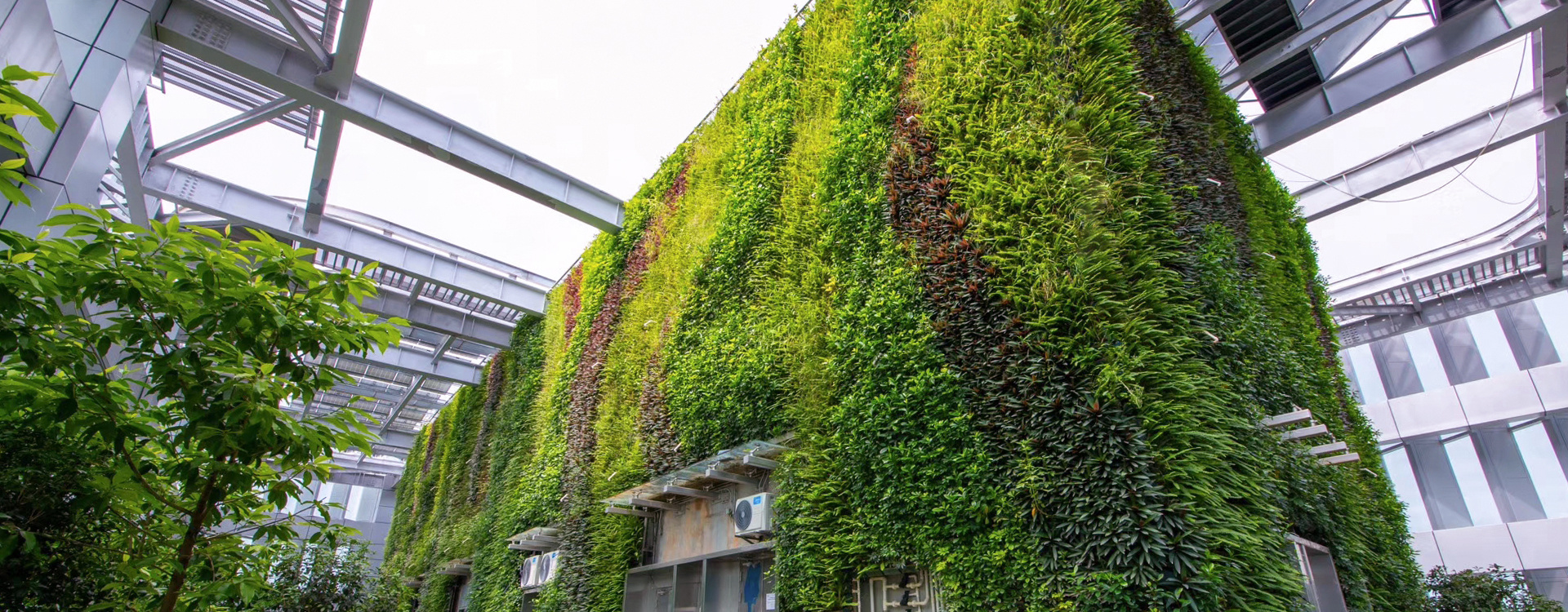
A Beginner's Guide to Vertical Wall Garden Planters: Getting Started
Release time:
2026-03-10 17:20
A Beginner's Guide to Vertical Wall Garden Planters: Getting Started
Table of Contents
1. Understanding Vertical Wall Garden Planters
2. Benefits of Vertical Gardening
3. Choosing the Right Vertical Wall Planter
3.1 Types of Vertical Wall Planters
3.2 Materials for Vertical Planters
4. Selecting the Best Plants for Your Vertical Garden
4.1 Herbs and Vegetables
4.2 Flowers and Decorative Plants
5. Preparing Your Space for Vertical Gardening
6. Installation Tips for Vertical Wall Garden Planters
7. Caring for Your Vertical Garden
8. Troubleshooting Common Issues in Vertical Gardens
9. Frequently Asked Questions (FAQs)
10. Conclusion: Embrace the Beauty of Vertical Gardening
1. Understanding Vertical Wall Garden Planters
Vertical wall garden planters are innovative gardening solutions that allow individuals to grow plants in a vertical arrangement, utilizing walls, fences, or any vertical space. This approach not only saves space but also adds a unique aesthetic appeal to any environment. Whether you live in a tiny apartment or have a large backyard, vertical gardening can transform your space into a lush greenery haven.
2. Benefits of Vertical Gardening
Opting for a vertical garden comes with numerous advantages. **First**, it maximizes limited space, allowing urban dwellers to cultivate plants even in small areas. **Second**, vertical gardens can improve air quality and provide insulation for buildings. **Third**, they offer a unique way to showcase creativity in design, making gardens more visually appealing. **Lastly**, vertical gardening allows for easier access to plants, simplifying the maintenance and harvesting process.
3. Choosing the Right Vertical Wall Planter
Selecting the appropriate vertical wall planter is crucial for the success of your garden. Below, we explore different types and materials to help you make an informed decision.
3.1 Types of Vertical Wall Planters
Vertical wall planters come in various styles, including:
- **Pocket Planters:** These fabric or felt pouches can hold soil and plants, allowing air to circulate and providing drainage.
- **Wall-mounted Shelves:** These sturdy shelves can hold pots, creating a tiered effect for your plants.
- **Vertical Garden Kits:** Comprehensive kits often include pre-made structures and mounting materials for easy setup.
- **Trellis Systems:** Ideal for climbing plants, these structures can be mounted on walls to support growth.
3.2 Materials for Vertical Planters
The material you choose will affect both the aesthetic and functionality of your vertical garden. Common materials include:
- **Wood:** Offers a rustic look and good insulation but requires proper sealing to prevent rot.
- **Plastic:** Lightweight and weather-resistant, making it easy to install but may not provide the same aesthetic appeal.
- **Metal:** Durable and modern but can heat up quickly, affecting plant roots.
- **Fabric:** Lightweight and breathable, fabric planters promote good drainage and root health.
4. Selecting the Best Plants for Your Vertical Garden
Choosing the right plants is essential for a thriving vertical garden. Consider the following plant categories based on your gardening goals.
4.1 Herbs and Vegetables
Herbs such as basil, parsley, and mint are excellent choices for vertical gardens. They thrive in smaller spaces and can be harvested regularly. Additionally, dwarf varieties of vegetables like cherry tomatoes and peppers can also be grown vertically.
4.2 Flowers and Decorative Plants
If aesthetics are your priority, consider planting flowering species such as petunias, fuchsias, or succulents. These plants not only beautify your space but can also attract beneficial pollinators to your garden.
5. Preparing Your Space for Vertical Gardening
Before installing your vertical wall planter, ensure your chosen location has adequate sunlight and protection from harsh weather conditions. Assess the wall's structural integrity as well, as some planters may require additional support.
6. Installation Tips for Vertical Wall Garden Planters
Proper installation is key to the longevity of your vertical garden. Follow these steps for a successful setup:
1. **Gather Tools:** Ensure you have all necessary tools, including a drill, screws, and level.
2. **Mark the Placement:** Use a pencil to mark where your planter will go, ensuring it's level.
3. **Install the Planter:** Follow the manufacturer's instructions for securing the planter to the wall.
4. **Fill with Soil:** Add high-quality potting soil to your planter, leaving space for your plants.
5. **Arrange Your Plants:** Organize your plants based on their light and water requirements.
7. Caring for Your Vertical Garden
Regular maintenance is essential for your vertical garden's success. Here are some care tips:
- **Watering:** Ensure plants receive adequate water, using a drip irrigation system for convenience.
- **Fertilizing:** Use organic fertilizers to promote healthy growth.
- **Pruning:** Regularly prune your plants to encourage bushiness and eliminate dead leaves.
8. Troubleshooting Common Issues in Vertical Gardens
Even the best-planned gardens can encounter challenges. Here are solutions to common problems:
- **Overwatering:** Ensure proper drainage to prevent root rot.
- **Pest Infestations:** Use natural insecticides or introduce beneficial insects to combat pests.
- **Nutrient Deficiencies:** Monitor plant health and adjust fertilization as needed.
9. Frequently Asked Questions (FAQs)
**Q1: Can I grow vegetables in a vertical garden?**
Yes, many vegetables, especially compact varieties, thrive in vertical gardens.
**Q2: Do vertical gardens require special irrigation systems?**
While not mandatory, drip irrigation systems can significantly ease the watering process.
**Q3: How do I prevent pests in my vertical garden?**
Regular inspection and maintaining plant health can help prevent pest infestations.
**Q4: Are vertical gardens suitable for small apartments?**
Absolutely! Vertical gardens are perfect for small spaces and can enhance your living environment.
**Q5: How often should I fertilize my vertical garden?**
Fertilization frequency depends on plant needs, but generally, once a month is sufficient.
10. Conclusion: Embrace the Beauty of Vertical Gardening
Vertical wall garden planters offer a remarkable opportunity to transform your space into a lush and vibrant environment. By understanding the principles of vertical gardening, selecting the right plants, and ensuring proper care and maintenance, you can create a thriving oasis that enhances your living area while promoting sustainability. Embrace this innovative gardening technique and watch your green dreams come to life!
vertical wall garden planter factory
Related News

Tel : 086-769-28334884
Phone : 086-136-2002-9145
Address : Building C, Xiaqiao Industrial Park, Dongcheng District, Dongguan City, Guangdong Province
Copyright © 2024 Dongguan Mengyuan Environmental Technology Co., Ltd.
business license