



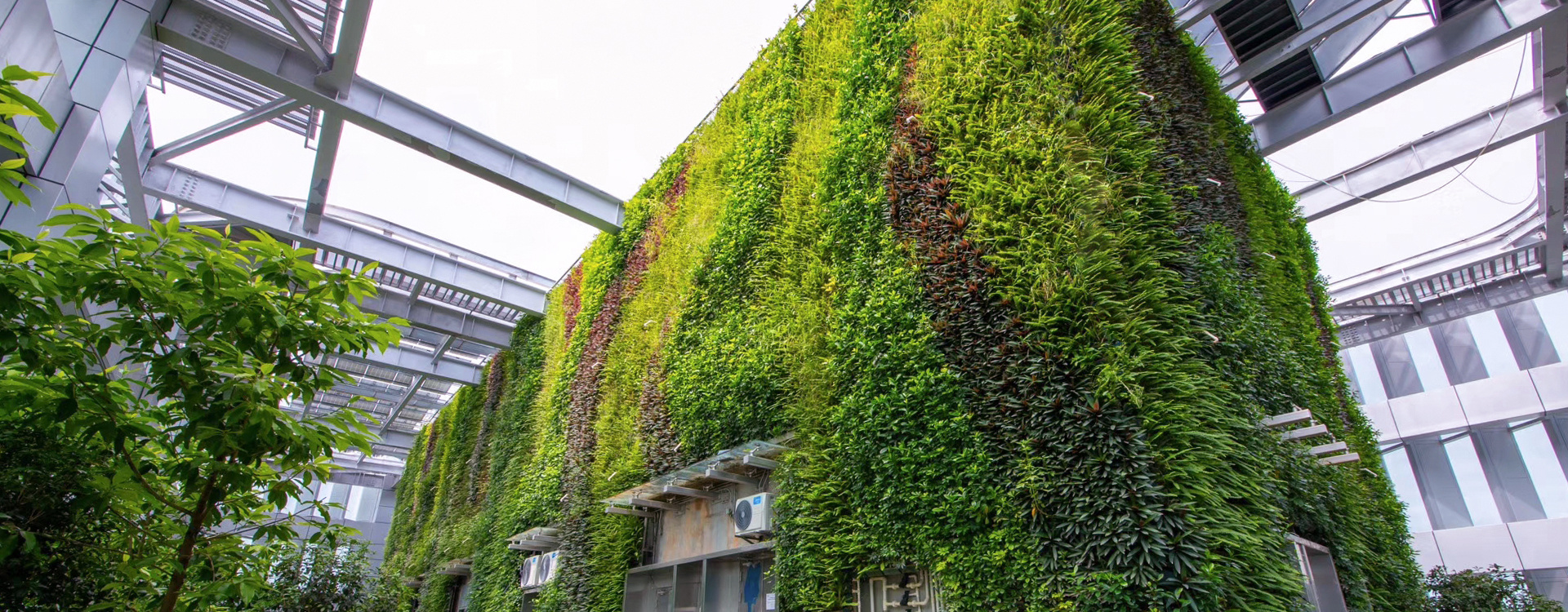
Exploring the Cost Benefits of Customized Vertical Hydroponic Systems for Sustainable Agriculture
Release time:
2026-08-11 16:00
Exploring the Cost Benefits of Customized Vertical Hydroponic Systems
Table of Contents
- 1. Introduction to Vertical Hydroponic Systems
- 2. What is Hydroponics?
- 3. Advantages of Vertical Hydroponics
- 4. Customization Options for Hydroponic Systems
- 5. Economic Benefits of Customized Vertical Hydroponic Systems
- 5.1 Initial Investment vs. Long-Term Savings
- 5.2 Meeting Market Demand
- 5.3 Job Creation and Economic Growth
- 6. Case Studies of Successful Customized Hydroponic Systems
- 7. The Future of Customized Vertical Hydroponic Systems
- 8. FAQs About Customized Vertical Hydroponic Systems
- 9. Conclusion
1. Introduction to Vertical Hydroponic Systems
In recent years, the agricultural industry has seen a significant shift towards sustainable practices, with vertical hydroponic systems at the forefront. These innovative systems enable growers to cultivate crops in a controlled environment, using significantly less land than traditional farming. As urban areas expand and food demand increases, the need for efficient agricultural practices becomes paramount. Customized vertical hydroponic systems present a solution not only to increase production but also to minimize costs associated with farming.
2. What is Hydroponics?
Hydroponics is a method of growing plants without soil, using nutrient-rich water to deliver essential nutrients directly to plant roots. This technique allows for precise control over growing conditions, resulting in healthier plants and higher yields. Vertical hydroponics takes this concept further by stacking plants vertically, optimizing space and sunlight exposure.
3. Advantages of Vertical Hydroponics
Vertical hydroponic systems offer a multitude of advantages over traditional farming methods.
3.1 Space Efficiency
One of the most significant benefits of vertical hydroponics is its space efficiency. By utilizing vertical space, growers can produce more crops in less area, making it an ideal solution for urban gardening. This is especially important in cities where land is scarce and expensive.
3.2 Water Savings
Hydroponic systems use up to 90% less water than traditional farming methods. The closed-loop system recirculates water, minimizing waste and ensuring that plants receive a consistent supply of nutrients and moisture. This efficiency not only conserves water but also reduces the overall cost of irrigation.
3.3 Yield Optimization
With controlled environments, vertical hydroponic systems can produce higher yields compared to soil-based farming. The ability to fine-tune variables such as light, temperature, and nutrient levels results in healthier plants that grow faster and produce more fruit.
3.4 Pest Control
Vertical hydroponic systems can help mitigate pest infestations, as they are often grown indoors or in controlled environments. This allows for better management of pests and diseases, reducing the need for chemical pesticides, which can save money and promote healthier crops.
4. Customization Options for Hydroponic Systems
Customized vertical hydroponic systems provide flexibility to meet specific agricultural needs and preferences.
4.1 System Design
The design of a hydroponic system plays a crucial role in its effectiveness. Tailored designs can accommodate different types of crops, space limitations, and resource availability. Options such as NFT (Nutrient Film Technique), Ebb and Flow, or Aeroponics can be explored based on the chosen crops.
4.2 Crop Selection
Customization extends to crop selection, allowing growers to choose the most profitable and suitable varieties for their local market. With vertical hydroponics, high-demand crops like leafy greens, herbs, and strawberries can thrive, maximizing returns on investment.
4.3 Technology Integration
Integrating technology such as automated nutrient delivery systems, climate control, and monitoring sensors can enhance the efficiency and productivity of customized vertical hydroponic systems. These innovations can lead to lower labor costs and improved crop management.
5. Economic Benefits of Customized Vertical Hydroponic Systems
Investing in customized vertical hydroponic systems can yield substantial economic benefits.
5.1 Initial Investment vs. Long-Term Savings
While the initial investment for a customized vertical hydroponic system may be significant, the long-term savings can be substantial. Reduced water usage, lower labor costs, and increased yields can offset the upfront expenses quickly.
5.2 Meeting Market Demand
As consumers become more health-conscious, the demand for fresh, locally-grown produce continues to rise. Customized vertical hydroponic systems allow growers to respond to this demand efficiently, ensuring a steady supply of quality produce to the market.
5.3 Job Creation and Economic Growth
The establishment of vertical hydroponic farms can create job opportunities in urban areas, contributing to local economies. From technical positions to sales and distribution, these systems foster economic growth while promoting sustainable practices.
6. Case Studies of Successful Customized Hydroponic Systems
Examining successful implementations of customized vertical hydroponic systems can provide valuable insights. For instance, companies like AeroFarms and Plenty have pioneered urban farming initiatives. Their innovative use of vertical farming techniques has not only demonstrated the viability of these systems but has also showcased their economic potential.
7. The Future of Customized Vertical Hydroponic Systems
As technology continues to advance, the future of customized vertical hydroponic systems looks promising. Innovations in automation, artificial intelligence, and sustainable practices will enhance efficiency and reduce costs, making hydroponics a viable solution for food production in an ever-changing world.
8. FAQs About Customized Vertical Hydroponic Systems
1. What crops can be grown in vertical hydroponic systems?
Vertical hydroponic systems are ideal for growing leafy greens, herbs, strawberries, and other high-demand crops that thrive in nutrient-rich environments.
2. How much does it cost to set up a customized hydroponic system?
The initial setup cost varies based on system design, technology integration, and scale, but long-term savings and increased productivity often justify the investment.
3. What are the maintenance requirements for hydroponic systems?
Maintenance includes regular monitoring of nutrient levels, pH balance, and system cleanliness to prevent disease and ensure optimal growth conditions.
4. Can vertical hydroponic systems be installed in urban areas?
Yes! Vertical hydroponic systems are particularly suited for urban environments where space is limited, allowing for efficient food production in small areas.
5. What are the environmental benefits of vertical hydroponics?
Vertical hydroponics reduces water usage, minimizes land requirements, and often eliminates the need for harmful pesticides, contributing to a more sustainable agricultural practice.
9. Conclusion
Customized vertical hydroponic systems present a forward-thinking solution for sustainable agriculture, offering numerous cost benefits while addressing food security challenges. By maximizing space, conserving resources, and enhancing crop yields, these systems are not only transforming how we grow food but also paving the way for a more sustainable future. As we embrace innovative agricultural practices, the potential for customized vertical hydroponic systems to improve economic viability and environmental sustainability becomes increasingly apparent. Whether you are a seasoned grower or a newcomer to agriculture, investing in customized vertical hydroponics could be one of the most impactful decisions you make in your journey towards sustainable farming.
customized vertical hydroponic system
Related News

Tel : 086-769-28334884
Phone : 086-136-2002-9145
Address : Building C, Xiaqiao Industrial Park, Dongcheng District, Dongguan City, Guangdong Province
Copyright © 2024 Dongguan Mengyuan Environmental Technology Co., Ltd.
business license