



Exploring the Benefits of Green Roof Planter Factories for Sustainable Urban Agriculture
Release time:
2026-08-16 19:10
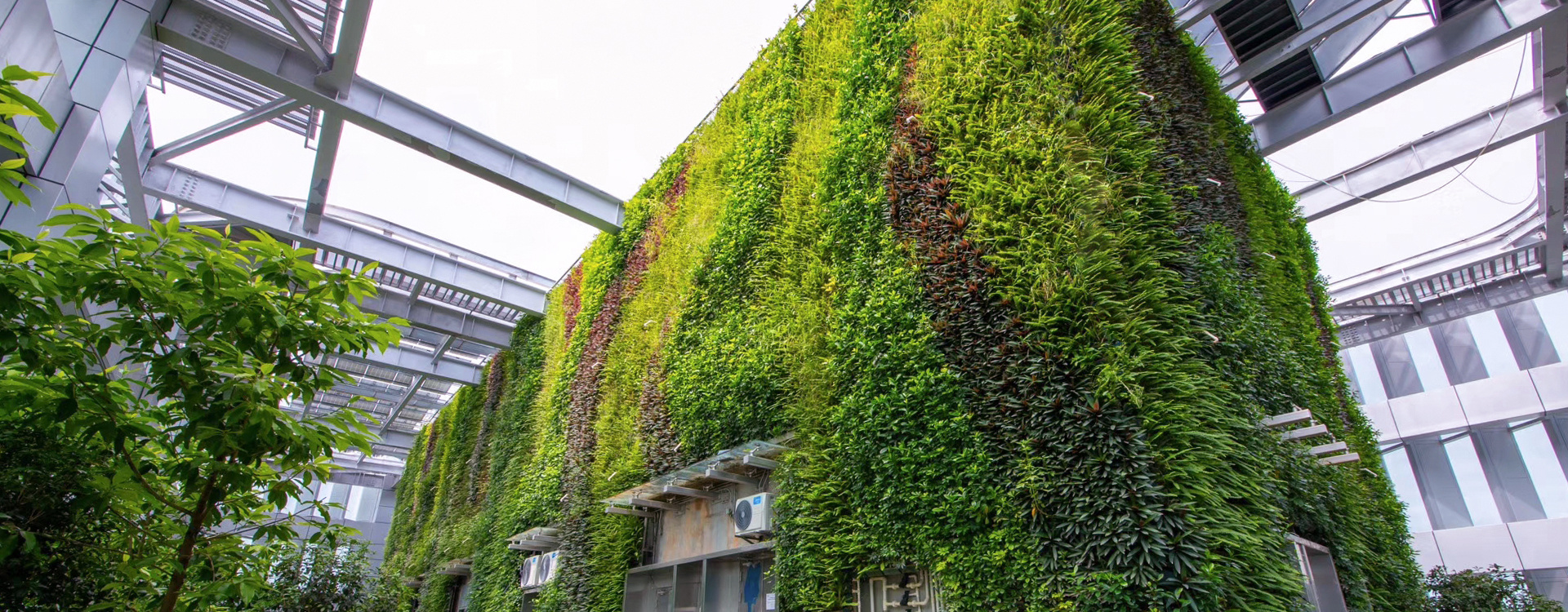
Green roofs have emerged as a pioneering solution in urban agriculture, combining the principles of sustainability, ecological balance, and efficient space utilization. For professionals in the horticulture industry, particularly those involved with a green roof planter factory, understanding the intricacies of this niche can provide a competitive edge.
A green roof planter factory focuses on manufacturing specialized containers designed for rooftop gardens. These planters must be lightweight yet durable, capable of supporting soil and plant life while withstanding the elements. The materials used in their construction often include recycled plastics, metals, and advanced composites, ensuring both sustainability and longevity. The design of these planters must also incorporate efficient drainage systems to prevent water pooling, which is essential for maintaining healthy plant growth.
One of the primary benefits of green roof planter factories is their contribution to urban biodiversity. By facilitating the growth of various plant species on rooftops, these factories play a crucial role in improving urban ecosystems. This diversity can attract pollinators, such as bees and butterflies, which are vital for food production. Additionally, green roofs help mitigate the urban heat island effect, lowering temperatures in city environments and reducing energy consumption for cooling.
From an economic standpoint, green roof planters present an opportunity for cost savings in urban settings. They can absorb rainwater, thus reducing the burden on drainage systems during heavy rainfall. This rainwater management feature not only minimizes flooding risks but also lowers municipal water treatment costs. Furthermore, green roofs can extend the lifespan of roofing materials by shielding them from UV exposure and extreme temperature fluctuations, ultimately leading to reduced maintenance and replacement costs.
Another aspect to consider is the growing interest in local food production. With the rising demand for organic and locally-sourced produce, green roof planter factories can assist urban dwellers and businesses in cultivating fresh herbs, vegetables, and even fruits. This trend not only supports healthy eating but also fosters community engagement and education around sustainable practices.
However, establishing a green roof planter factory requires careful consideration of various factors, including regulatory compliance, environmental impact assessments, and market research. Professionals must stay informed about local policies regarding urban agriculture, as these can significantly influence the feasibility and design of projects. Collaborating with urban planners, architects, and horticulturists ensures that these initiatives align with broader city goals and sustainability targets.
In summary, a green roof planter factory represents a transformative approach to urban agriculture. With an emphasis on sustainability, economic efficiency, and biodiversity, these factories are at the forefront of a movement that is reshaping our cities and promoting greener living. As professionals delve deeper into this field, they will find numerous opportunities to innovate and contribute to a more sustainable future.
A green roof planter factory focuses on manufacturing specialized containers designed for rooftop gardens. These planters must be lightweight yet durable, capable of supporting soil and plant life while withstanding the elements. The materials used in their construction often include recycled plastics, metals, and advanced composites, ensuring both sustainability and longevity. The design of these planters must also incorporate efficient drainage systems to prevent water pooling, which is essential for maintaining healthy plant growth.
One of the primary benefits of green roof planter factories is their contribution to urban biodiversity. By facilitating the growth of various plant species on rooftops, these factories play a crucial role in improving urban ecosystems. This diversity can attract pollinators, such as bees and butterflies, which are vital for food production. Additionally, green roofs help mitigate the urban heat island effect, lowering temperatures in city environments and reducing energy consumption for cooling.
From an economic standpoint, green roof planters present an opportunity for cost savings in urban settings. They can absorb rainwater, thus reducing the burden on drainage systems during heavy rainfall. This rainwater management feature not only minimizes flooding risks but also lowers municipal water treatment costs. Furthermore, green roofs can extend the lifespan of roofing materials by shielding them from UV exposure and extreme temperature fluctuations, ultimately leading to reduced maintenance and replacement costs.
Another aspect to consider is the growing interest in local food production. With the rising demand for organic and locally-sourced produce, green roof planter factories can assist urban dwellers and businesses in cultivating fresh herbs, vegetables, and even fruits. This trend not only supports healthy eating but also fosters community engagement and education around sustainable practices.
However, establishing a green roof planter factory requires careful consideration of various factors, including regulatory compliance, environmental impact assessments, and market research. Professionals must stay informed about local policies regarding urban agriculture, as these can significantly influence the feasibility and design of projects. Collaborating with urban planners, architects, and horticulturists ensures that these initiatives align with broader city goals and sustainability targets.
In summary, a green roof planter factory represents a transformative approach to urban agriculture. With an emphasis on sustainability, economic efficiency, and biodiversity, these factories are at the forefront of a movement that is reshaping our cities and promoting greener living. As professionals delve deeper into this field, they will find numerous opportunities to innovate and contribute to a more sustainable future.
Green Roof Planter factory
Related News
2026-09-29

Tel : 086-769-28334884
Phone : 086-136-2002-9145
Address : Building C, Xiaqiao Industrial Park, Dongcheng District, Dongguan City, Guangdong Province
Copyright © 2024 Dongguan Mengyuan Environmental Technology Co., Ltd.
business license