



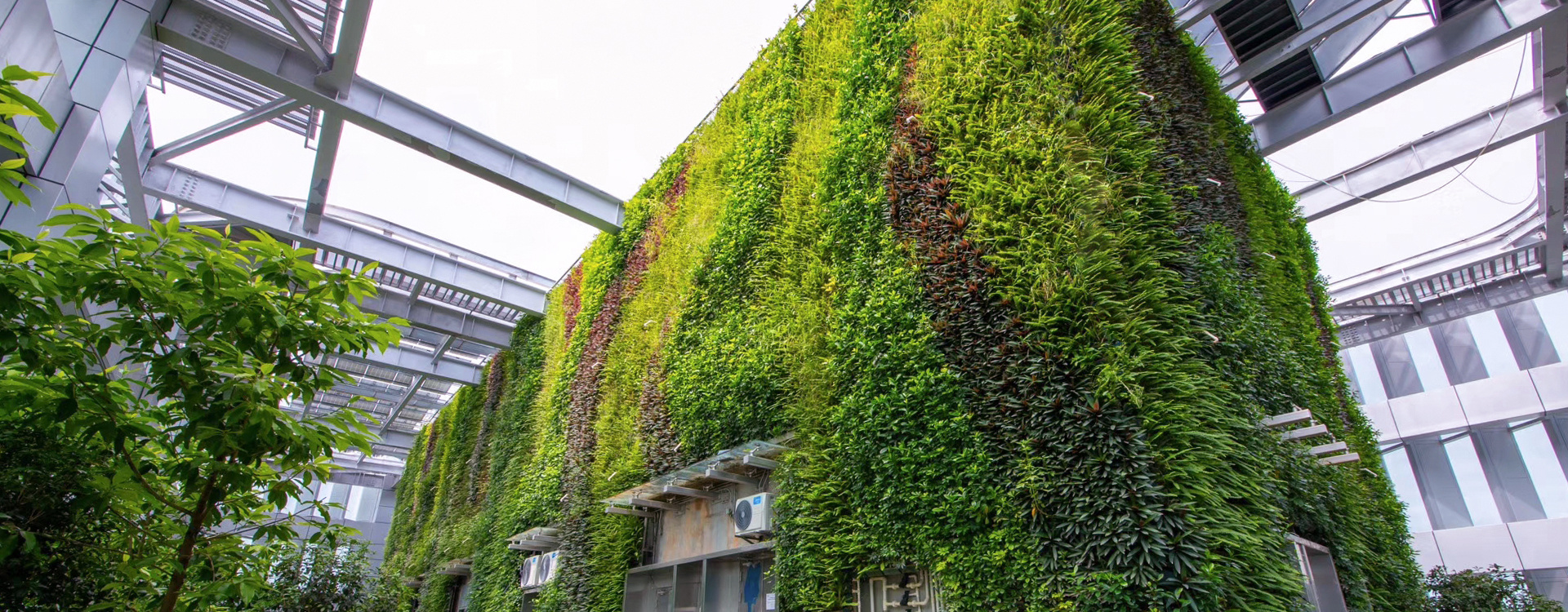
Maintenance Tips for Vertical Wall Garden Planters: Keep Your Plants Thriving
Release time:
2026-08-21 16:30
Maintenance Tips for Vertical Wall Garden Planters: Keep Your Plants Thriving
In recent years, vertical gardening has gained immense popularity, especially among urban dwellers who want to maximize their living spaces. Vertical wall garden planters not only enhance the aesthetic appeal of your home or office but also provide an excellent solution for growing herbs, flowers, and even vegetables in limited areas. However, maintaining these planters can present unique challenges. In this article, we will explore essential maintenance tips that will keep your vertical wall garden thriving, ensuring your plants remain healthy and vibrant.
Understanding Vertical Wall Garden Planters
Before diving into maintenance tips, it’s important to understand what vertical wall garden planters are. These innovative garden structures allow plants to grow vertically, utilizing a framework attached to walls or fences. They come in various designs, including pocket planters, wall-mounted pots, and modular systems that can be customized to fit your space.
The Benefits of Vertical Garden Planters
Vertical gardening offers numerous advantages:
- Space Efficiency: Perfect for small spaces, maximizing the use of vertical areas.
- Improved Airflow: Enhanced airflow reduces the risk of mold and pests.
- Accessibility: Easier to reach for watering and harvesting.
- Aesthetic Appeal: Adds beauty and greenery to any environment.
- Environmental Benefits: Contributes to reducing carbon footprint and improving air quality.
Essential Maintenance Tips for Vertical Wall Garden Planters
1. Watering Wisely
Watering is crucial for plant health, but vertical wall planters can complicate this task. Here’s how to water effectively:
- Check Soil Moisture: Use your finger or a moisture meter to determine if the soil is dry before watering.
- Water Deeply: Ensure water penetrates thoroughly to reach the root system, especially in pocket planters.
- Use a Drip Irrigation System: Consider installing a drip irrigation system for consistent moisture without overwatering.
2. Choosing the Right Soil
The type of soil used in vertical planters can significantly impact plant health. Here are recommendations for the best soil mixture:
- Lightweight Soil Mix: Use a mix that retains moisture without becoming too heavy. A combination of potting soil, peat moss, and vermiculite works well.
- Organic Matter: Add compost to enrich the soil with nutrients.
- pH Balance: Ensure the soil pH is appropriate for the plants you are growing; most plants prefer a pH between 6.0 and 7.0.
3. Fertilizing for Growth
Regular fertilization helps to nourish your plants and promote healthy growth. Follow these tips:
- Use Slow-Release Fertilizers: Incorporate slow-release fertilizers into the soil at planting time for continuous feeding.
- Liquid Fertilizers: Apply liquid fertilizers every 4-6 weeks during the growing season for an added nutrient boost.
- Organic Options: Consider organic fertilizers such as fish emulsion or seaweed extract for a natural approach.
4. Pruning and Deadheading
Regular pruning and deadheading are vital for maintaining the health and appearance of your vertical garden:
- Remove Dead Leaves and Flowers: Regularly check for and remove any dead or diseased foliage to prevent the spread of pests and diseases.
- Trim for Shape: Prune plants to encourage bushier growth and remove any unwanted leggy stems.
- Seasonal Pruning: Perform more substantial pruning at the end of the growing season to prepare plants for winter.
5. Pest and Disease Management
Pests and diseases can threaten the health of your vertical wall garden. Here’s how to manage them effectively:
- Regular Inspections: Frequently check your plants for signs of pests like aphids, spider mites, and whiteflies.
- Natural Remedies: Use insecticidal soap or neem oil to manage pests organically without harming beneficial insects.
- Fungal Diseases: Ensure proper airflow around plants to prevent fungal diseases, and avoid overhead watering.
6. Supporting Plant Growth
Vertical gardens can sometimes require additional support for certain plants. Consider these options:
- Stakes and Trellises: Use stakes or trellises for climbing plants to ensure they grow upright.
- Netting: For larger or heavier plants, consider using netting to provide extra support.
- Plant Selection: Choose plants that naturally grow well in vertical settings, such as trailing vines and compact varieties.
7. Seasonal Care and Preparation
Each season presents unique challenges and opportunities for your vertical garden:
- Spring: Start with a full assessment of your plants and replace any that did not survive the winter.
- Summer: Monitor watering needs closely as temperatures rise and plants grow more rapidly.
- Fall: Consider planting perennials or preparing your garden for winter with protective coverings.
- Winter: For outdoor planters, ensure proper insulation and consider bringing tender plants indoors.
8. Choosing the Right Plants for Vertical Gardens
Selecting the right plants can make or break your vertical garden experience. Here are some suggestions:
- Herbs: Basil, mint, and thyme thrive in vertical settings and are easy to maintain.
- Flowers: Petunias, trailing geraniums, and nasturtiums add color and vibrancy.
- Vegetables: Compact varieties of peppers, lettuce, and cherry tomatoes work well in vertical planters.
Frequently Asked Questions (FAQs)
1. How often should I water my vertical wall garden planters?
Watering frequency depends on factors such as plant type, weather conditions, and soil moisture. Generally, check moisture levels and water when the top inch of soil feels dry.
2. Can I use regular potting soil in vertical planters?
Regular potting soil may be too heavy for vertical setups. Instead, opt for a lightweight mix that retains moisture without compacting.
3. What are the best plants for a vertical wall garden?
Consider herbs like basil and mint, flowers like petunias, and vegetables such as cherry tomatoes. Ensure they are suited for vertical growth.
4. How do I prevent pests in my vertical garden?
Regular inspections and using organic pest control methods like insecticidal soap can help keep pests at bay.
5. Can I keep my vertical wall garden indoors?
Yes, vertical wall gardens can be effectively maintained indoors. Just ensure they receive adequate light and monitor moisture levels closely.
Conclusion
Maintaining a vertical wall garden planter requires attention to detail and a proactive approach. By following these comprehensive maintenance tips—ranging from proper watering and soil selection to pest management and seasonal care—you can ensure that your vertical garden flourishes. Embrace the beauty and functionality that these innovative planters offer and enjoy the fruits of your labor as your plants thrive in their vertical homes.
vertical wall garden planter factory
Related News
2026-10-05
2026-10-02
2026-09-29

Tel : 086-769-28334884
Phone : 086-136-2002-9145
Address : Building C, Xiaqiao Industrial Park, Dongcheng District, Dongguan City, Guangdong Province
Copyright © 2024 Dongguan Mengyuan Environmental Technology Co., Ltd.