



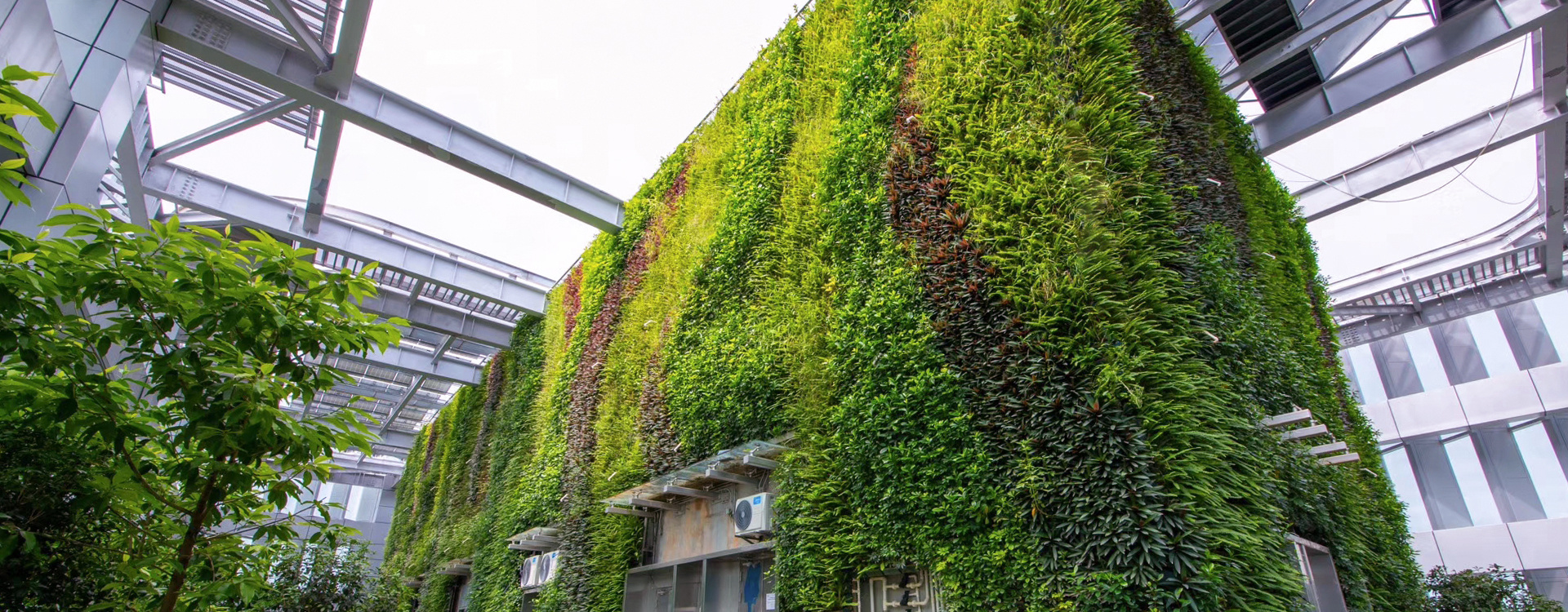
Creating Fresh Produce at Home with Customized Vertical Hydroponic Systems: A Comprehensive Guide
Release time:
2026-10-02 09:42
Creating Fresh Produce at Home with Customized Vertical Hydroponic Systems
Table of Contents
- 1. Introduction to Vertical Hydroponics
- 2. Benefits of Vertical Hydroponic Systems for Home Gardening
- 3. Understanding Customized Hydroponic Systems
- 4. Choosing the Right Vertical Hydroponic System for Your Space
- 5. Step-by-Step Guide to Setting Up Your Vertical Hydroponic System
- 6. Maintenance Tips for Healthy Hydroponic Plants
- 7. Best Crops for Vertical Hydroponic Systems
- 8. Cost Analysis of Setting Up Vertical Hydroponic Systems
- 9. Frequently Asked Questions
- 10. Conclusion
1. Introduction to Vertical Hydroponics
Vertical hydroponic systems are revolutionizing the way we think about home gardening. By leveraging a soilless growing method, these systems optimize space and resources, making it possible for anyone to grow fresh produce at home, even in the smallest apartments or urban environments. With customized setups, you can tailor your hydroponic system to suit your growing preferences and space constraints.
2. Benefits of Vertical Hydroponic Systems for Home Gardening
Growing your produce through vertical hydroponics comes with a myriad of advantages:
Space Efficiency
Vertical systems maximize limited space, stacking plants vertically to utilize every inch of available area. This is particularly beneficial for urban dwellers.
Water Conservation
Hydroponic systems use significantly less water than traditional gardening methods. By recirculating water, they minimize waste and promote an eco-friendly approach to gardening.
Faster Growth Rates
Plants grown in hydroponic systems often experience faster growth due to the optimal nutrient delivery and controlled environmental conditions. This means quicker harvests and more frequent cropping cycles.
Reduced Pest Issues
Soilless environments are less hospitable to pests and diseases, reducing the need for pesticides and promoting healthier produce.
Year-Round Production
With controlled environments, vertical hydroponic systems allow for year-round planting and harvesting, giving you fresh produce regardless of seasonality.
3. Understanding Customized Hydroponic Systems
Customized vertical hydroponic systems vary greatly in design and functionality. Below are the primary types:
Deep Water Culture (DWC)
In DWC systems, plant roots are submerged in nutrient-rich water. Air stones provide oxygen, promoting healthy growth.
Nutrient Film Technique (NFT)
NFT systems continuously circulate a thin film of nutrient solution over plant roots, ensuring they receive adequate nutrients and oxygen.
Vertical Aeroponics
Aeroponics employs misting systems to deliver nutrients directly to plant roots suspended in air. This method is highly efficient and space-saving.
Wicking Systems
Wicking systems use capillary action to draw nutrient solution into the growing medium, requiring minimal maintenance and setup.
4. Choosing the Right Vertical Hydroponic System for Your Space
When selecting a vertical hydroponic system, consider the following factors:
Available Space
Evaluate how much vertical space you have. Some systems require more height for plant growth than others.
Type of Crops
Different crops thrive in various hydroponic setups. Research which systems work best for your desired plants.
Budget
Customization can range from budget-friendly DIY projects to high-end commercial systems. Define your budget to guide your decision-making.
Maintenance Requirements
Consider how much time you can dedicate to maintenance. Some systems require more frequent monitoring and adjustment than others.
5. Step-by-Step Guide to Setting Up Your Vertical Hydroponic System
Setting up your vertical hydroponic system may seem daunting, but the process can be broken down into manageable steps:
Step 1: Select a Location
Choose a spot with sufficient light and access to water. If natural light is limited, consider adding grow lights.
Step 2: Gather Materials
Collect all necessary materials, including your chosen hydroponic system, growing medium, seeds, and nutrient solutions.
Step 3: Assemble the System
Follow the manufacturer's instructions to assemble your vertical hydroponic system. Ensure all connections are secure and the structure is stable.
Step 4: Prepare the Growing Medium
Select an appropriate growing medium (e.g., rock wool, clay pebbles) and prepare it according to your system’s requirements.
Step 5: Plant Seeds or Seedlings
Place seeds or seedlings in the growing medium, ensuring they’re positioned for optimal growth.
Step 6: Add Nutrient Solution
Mix your nutrient solution according to the manufacturer's guidelines and fill the reservoir.
Step 7: Monitor and Adjust
Regularly check your system for pH levels, nutrient concentration, and water levels, making adjustments as necessary.
6. Maintenance Tips for Healthy Hydroponic Plants
Maintaining a vertical hydroponic system requires diligence. Here are some essential maintenance tips:
Regular Monitoring
Consistently check pH and nutrient levels. Aim for a pH range of 5.5 to 6.5 for optimal plant growth.
Clean the System
Periodically clean the reservoir and system components to prevent algae buildup and ensure efficient operation.
Inspect for Pests
Although hydroponic systems are less prone to pests, regularly inspect your plants for any signs of infestation and address them promptly.
Adjust Lighting
Ensure that your plants are receiving adequate light. Adjust grow lights as needed to maintain optimal conditions.
7. Best Crops for Vertical Hydroponic Systems
Certain crops thrive exceptionally well in vertical hydroponic systems:
Leafy Greens
Lettuce, spinach, and kale are excellent choices, boasting rapid growth and high yield.
Herbs
Basil, mint, and cilantro flourish in hydroponic setups, providing fresh flavor for culinary delights.
Strawberries
Vertical systems can produce sweet strawberries, maximizing space while delivering delicious results.
Cherry Tomatoes
These compact plants grow well in hydroponic systems and offer a bountiful harvest in limited space.
8. Cost Analysis of Setting Up Vertical Hydroponic Systems
Understanding the cost involved in setting up a vertical hydroponic system is crucial for budgeting:
Initial Setup Costs
Costs can vary based on the type of system, materials, and equipment chosen. DIY setups can be more affordable compared to commercial options.
Operational Costs
Consider ongoing expenses, such as nutrient solutions, electricity for lighting, and water usage.
Potential Returns
Factor in the savings from growing your produce versus purchasing from the store, as well as the potential for selling excess crops.
9. Frequently Asked Questions
What is vertical hydroponics?
Vertical hydroponics is a method of growing plants in a soilless environment, using nutrient-rich water in an upright configuration to maximize space.
Can I use any plants in a vertical hydroponic system?
While many plants can grow in such systems, leafy greens, herbs, and some fruits are particularly suited for vertical hydroponics.
What are the common challenges of hydroponic gardening?
Common challenges include maintaining proper pH levels, managing nutrient concentrations, and preventing pests and diseases.
How much space do I need for a vertical hydroponic garden?
The space required depends on the system type and the number of plants you wish to grow. Vertical systems can be designed to fit small areas.
How often do I need to change the nutrient solution?
It’s generally recommended to change the nutrient solution every two to three weeks, or as needed based on plant growth and system monitoring.
10. Conclusion
Establishing a customized vertical hydroponic system at home opens up a world of possibilities for growing fresh produce. By understanding the benefits and intricacies of hydroponic gardening, you can cultivate a thriving garden regardless of your space limitations. This sustainable approach not only enriches your diet with nutritious food but also offers a rewarding hobby that connects you with nature. Embrace the innovation of vertical hydroponics and enjoy the fruits of your labor all year round.
customized vertical hydroponic system
preceding page
preceding page
Related News
2026-10-02
2026-09-29

Tel : 086-769-28334884
Phone : 086-136-2002-9145
Address : Building C, Xiaqiao Industrial Park, Dongcheng District, Dongguan City, Guangdong Province
Copyright © 2024 Dongguan Mengyuan Environmental Technology Co., Ltd.
business license