



Unlocking the Potential of Green Roof Planter Factories: A Sustainable Approach to Urban Gardening
Release time:
2026-10-05 09:41
---
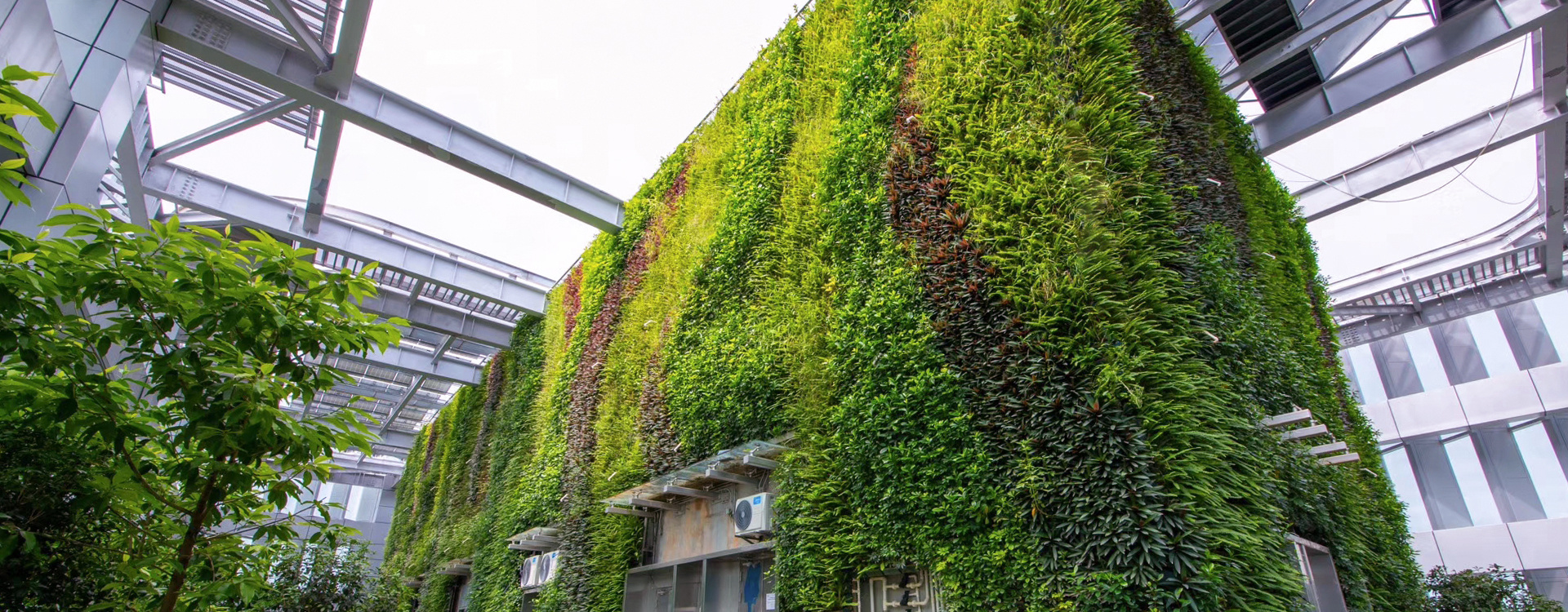
As urbanization increases, so do the challenges associated with managing green spaces in cities. Green roof systems, which incorporate vegetation on rooftops, provide an effective solution for integrating nature into urban environments. This is where Green Roof Planter factories come into play, producing specialized containers designed to support plant growth on rooftops, balconies, and other elevated surfaces.
Green Roof Planter factories typically focus on developing lightweight, durable, and efficient planter designs that can withstand the unique conditions of rooftop gardening. These planters are engineered to maximize drainage and aeration, ensuring that plants receive the optimal amount of moisture and nutrients. The materials used in constructing these planters often include recycled plastics, which not only support sustainability efforts but also provide excellent insulation properties for temperature regulation.
One of the major advantages of using Green Roof Planters is their ability to improve air quality in urban areas. By incorporating plants into building designs, these planters help filter pollutants from the air, contributing to a healthier urban atmosphere. Additionally, green roofs can significantly reduce heat absorption in cities, leading to lower energy costs and a decrease in the urban heat island effect.
The benefits of green roofs extend beyond environmental impact; they also enhance aesthetic appeal and can even increase property values. Homeowners and businesses alike are recognizing the value of utilizing rooftop spaces as green areas, which can serve as recreational spaces or even community gardens. This trend has driven demand for Green Roof Planter factories, as they provide the necessary tools for urban dwellers to cultivate greenery in their living and working environments.
Moreover, the rise of sustainable practices in agriculture and horticulture has paved the way for innovative solutions in this sector. Green Roof Planter factories can adopt eco-friendly practices by sourcing materials locally, reducing their carbon footprint, and ensuring their production processes are aligned with sustainability goals. This approach not only benefits the environment but also positions these factories as leaders in an increasingly eco-conscious market.
In conclusion, Green Roof Planter factories represent a significant sector within the agricultural and horticultural industries. By focusing on the production of specialized planters designed for urban gardening, these factories contribute to creating greener cities and enhancing the overall quality of urban life. As more individuals and businesses embrace green roofing solutions, the potential for growth in this industry is vast, promising a brighter, more sustainable future for urban gardening.
As urbanization increases, so do the challenges associated with managing green spaces in cities. Green roof systems, which incorporate vegetation on rooftops, provide an effective solution for integrating nature into urban environments. This is where Green Roof Planter factories come into play, producing specialized containers designed to support plant growth on rooftops, balconies, and other elevated surfaces.
Green Roof Planter factories typically focus on developing lightweight, durable, and efficient planter designs that can withstand the unique conditions of rooftop gardening. These planters are engineered to maximize drainage and aeration, ensuring that plants receive the optimal amount of moisture and nutrients. The materials used in constructing these planters often include recycled plastics, which not only support sustainability efforts but also provide excellent insulation properties for temperature regulation.
One of the major advantages of using Green Roof Planters is their ability to improve air quality in urban areas. By incorporating plants into building designs, these planters help filter pollutants from the air, contributing to a healthier urban atmosphere. Additionally, green roofs can significantly reduce heat absorption in cities, leading to lower energy costs and a decrease in the urban heat island effect.
The benefits of green roofs extend beyond environmental impact; they also enhance aesthetic appeal and can even increase property values. Homeowners and businesses alike are recognizing the value of utilizing rooftop spaces as green areas, which can serve as recreational spaces or even community gardens. This trend has driven demand for Green Roof Planter factories, as they provide the necessary tools for urban dwellers to cultivate greenery in their living and working environments.
Moreover, the rise of sustainable practices in agriculture and horticulture has paved the way for innovative solutions in this sector. Green Roof Planter factories can adopt eco-friendly practices by sourcing materials locally, reducing their carbon footprint, and ensuring their production processes are aligned with sustainability goals. This approach not only benefits the environment but also positions these factories as leaders in an increasingly eco-conscious market.
In conclusion, Green Roof Planter factories represent a significant sector within the agricultural and horticultural industries. By focusing on the production of specialized planters designed for urban gardening, these factories contribute to creating greener cities and enhancing the overall quality of urban life. As more individuals and businesses embrace green roofing solutions, the potential for growth in this industry is vast, promising a brighter, more sustainable future for urban gardening.
Green Roof Planter factory
preceding page
preceding page
Related News
2026-10-05
2026-10-02
2026-09-29

Tel : 086-769-28334884
Phone : 086-136-2002-9145
Address : Building C, Xiaqiao Industrial Park, Dongcheng District, Dongguan City, Guangdong Province
Copyright © 2024 Dongguan Mengyuan Environmental Technology Co., Ltd.
business license