



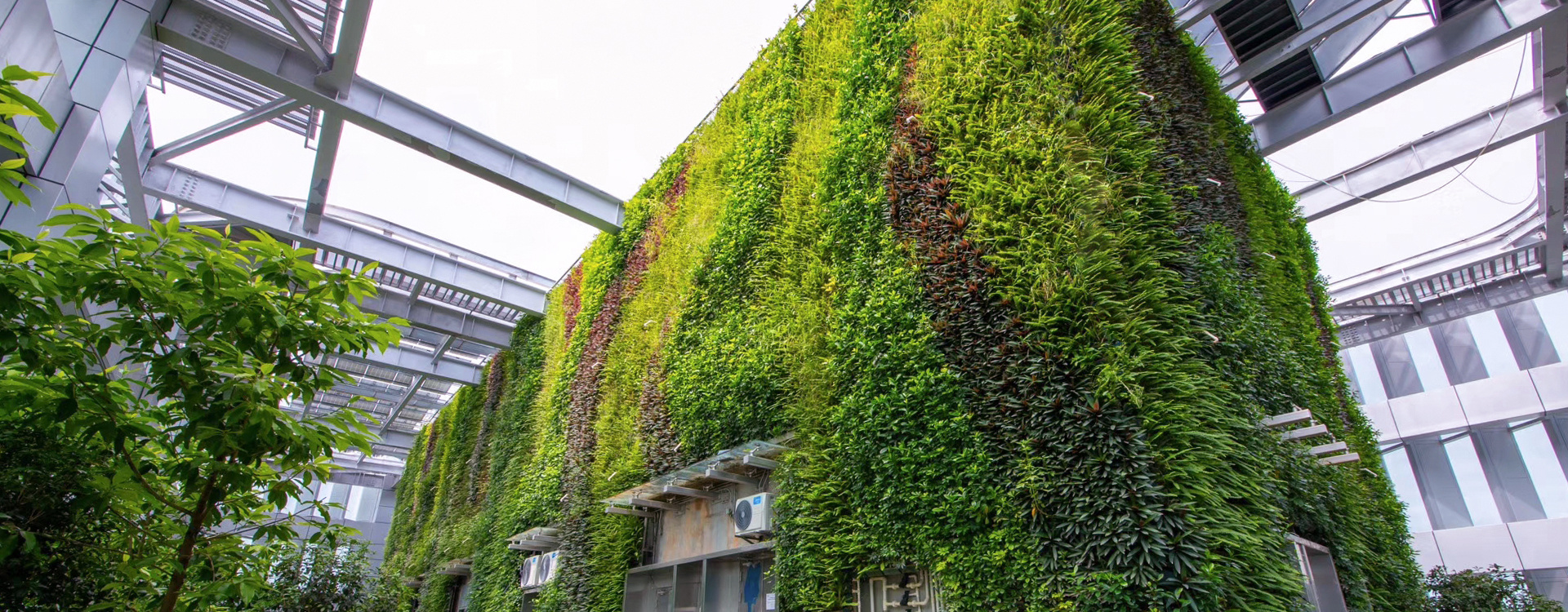
Customized Vertical Hydroponic Systems: Revolutionizing Indoor Gardening
Release time:
2026-02-28 18:30
Customized Vertical Hydroponic Systems: Revolutionizing Indoor Gardening
Indoor gardening has witnessed a significant evolution in recent years, thanks to technological advancements and a growing interest in sustainable practices. Among these advancements, customized vertical hydroponic systems stand out as a revolutionary approach that maximizes space and enhances productivity. In this article, we will explore the multifaceted world of vertical hydroponics, examining its benefits, design options, and how it can transform your indoor gardening experience.
Table of Contents
- What is Vertical Hydroponics?
- Benefits of Vertical Hydroponic Systems
- Customization Options for Vertical Hydroponics
- Designing Your Vertical Hydroponic System
- Popular Crops for Vertical Hydroponics
- Maintenance of Vertical Hydroponic Systems
- Sustainability and the Vertical Hydroponic Revolution
- Frequently Asked Questions
- Conclusion
What is Vertical Hydroponics?
Vertical hydroponics refers to the practice of growing plants in a soilless environment using nutrient-rich water solutions. This innovative method allows for the cultivation of crops in vertical arrangements, enabling gardeners to maximize their available space. By stacking plants in layers, vertical hydroponics not only increases the number of plants grown per square foot but also optimizes light exposure, air circulation, and water use efficiency.
Benefits of Vertical Hydroponic Systems
The popularity of vertical hydroponic systems can be attributed to numerous advantages they offer:
1. Space Efficiency
Urban dwellers with limited outdoor space can benefit immensely from vertical hydroponics. These systems can be installed in small areas such as balconies, basements, or even kitchens, thereby bringing the garden indoors.
2. Increased Crop Yield
With vertical growth, plants receive ample light and nutrients, leading to increased growth rates and higher yields compared to traditional gardening methods. This is especially beneficial in areas with short growing seasons.
3. Water Conservation
Vertical hydroponic systems use significantly less water than soil-based gardening. The recirculating water systems minimize waste and allow for efficient nutrient delivery, making it an environmentally friendly option.
4. Pest and Disease Control
By eliminating soil from the growing equation, vertical hydroponics reduces the risk of soil-borne pests and diseases. This creates a healthier environment for plants and lessens the need for chemical pesticides.
5. Year-Round Gardening
Indoor vertical hydroponic systems facilitate year-round gardening, regardless of external weather conditions. This means fresh produce is available throughout the year, promoting healthier eating habits.
Customization Options for Vertical Hydroponics
One of the most appealing aspects of vertical hydroponic systems is their customization potential. Gardeners can tailor their systems to fit their specific needs and preferences.
1. System Types
There are several types of vertical hydroponic systems, including:
- Tower Systems: These utilize vertical towers to maximize space and can support a variety of plants.
- Wall-Mounted Systems: Ideal for small spaces, these systems can be attached to walls and are perfect for herbs or small leafy greens.
- Freestanding Units: These are standalone systems that can be placed anywhere indoors, accommodating larger plants.
2. Plant Selection
Choosing the right plants for your vertical hydroponic system is crucial. Many gardeners opt for herbs, leafy greens, and small fruiting vegetables, as they thrive in such environments. However, customization allows for experimenting with a wider range of plant varieties.
3. Nutrient Solutions
Customized nutrient solutions can be formulated based on the specific needs of the plants being grown. This optimization maximizes growth and flavor, catering to individual preferences.
4. Lighting Options
Integrating LED grow lights can further enhance plant growth by providing the necessary light spectrum. Customizable lighting schedules and intensities can help mimic natural sunlight.
Designing Your Vertical Hydroponic System
Designing a vertical hydroponic system involves several considerations to ensure optimal performance:
1. Space Assessment
Evaluate the available space in your home and determine the size of the system you want to install. Consider factors such as light availability and accessibility for maintenance.
2. Choosing Materials
Select durable materials for the construction of your system. Common materials include PVC pipes, plastic containers, or even repurposed pallets for a sustainable approach.
3. Water Supply and Drainage
Ensure that your system has a reliable water supply and efficient drainage. This is essential to prevent waterlogging, which can damage plant roots.
4. Aeration and Ventilation
Proper aeration is crucial for healthy root development. Incorporate air pumps or consider designing your system to allow for adequate airflow.
Popular Crops for Vertical Hydroponics
While many crops can be grown in vertical hydroponic systems, some are particularly well-suited:
1. Leafy Greens
Varieties such as lettuce, spinach, and kale thrive in vertical hydroponics due to their fast growth rates and space efficiency.
2. Herbs
Herbs like basil, parsley, and cilantro are perfect candidates for vertical systems, as they not only maximize space but also provide aromatic flavors for culinary use.
3. Strawberries
Vertical systems can be highly productive for growing strawberries, allowing for easy harvesting and reduced pest interference.
4. Cherry Tomatoes
For those looking to grow fruiting plants, cherry tomatoes are an excellent choice, thriving in the vertical space and producing abundant yields.
Maintenance of Vertical Hydroponic Systems
Proper maintenance is key to the success of your vertical hydroponic system. Here are essential maintenance tasks:
1. Regular Monitoring
Consistently check the pH and nutrient levels of your water solution to ensure optimal growth conditions.
2. Cleaning the System
Periodically clean all components of the system to prevent algae growth and blockages that can hinder water flow.
3. Plant Care
Regularly inspect your plants for pests or nutrient deficiencies. Pruning and harvesting should be done to encourage continued growth.
Sustainability and the Vertical Hydroponic Revolution
As the global population continues to rise, the demand for sustainable food production methods has never been more critical. Vertical hydroponic systems address many sustainability challenges by reducing water usage, minimizing land requirements, and decreasing transportation emissions associated with traditional farming.
By adopting vertical hydroponics, individuals can contribute to environmental sustainability while enjoying the benefits of fresh and healthy produce at their fingertips.
Frequently Asked Questions
1. What is the cost of setting up a vertical hydroponic system?
The setup cost can vary widely based on the size and type of system you choose. Basic setups can start as low as a few hundred dollars, while more advanced systems can reach thousands.
2. Can I use vertical hydroponics for all types of plants?
While many plants thrive in vertical hydroponic systems, some larger or deep-rooted plants may not be suitable. Generally, leafy greens, herbs, and small fruits work best.
3. How much light do vertical hydroponic systems require?
Plants require around 12-16 hours of light daily. Utilizing LED grow lights can help achieve the necessary light exposure regardless of natural sunlight conditions.
4. How often should I change the water in my vertical hydroponic system?
It is recommended to change the water every two to three weeks, ensuring that nutrient levels remain optimal for plant growth.
5. Is vertical hydroponics suitable for beginners?
Absolutely! Vertical hydroponics can be a great entry point for beginner gardeners, as the systems are often easier to manage, and the learning curve is less steep than traditional gardening.
Conclusion
Customized vertical hydroponic systems have ushered in a new era of indoor gardening, offering unprecedented opportunities for urban dwellers and gardening enthusiasts alike. With their numerous benefits, from space efficiency to sustainability, these systems represent a versatile solution that can meet the demands of modern living. By exploring the customization options and understanding how to maintain these systems, anyone can embark on a rewarding journey into the world of vertical hydroponics. Embrace innovation and enhance your indoor gardening experience with customized vertical hydroponic systems, and enjoy the fresh produce that comes with it!
customized vertical hydroponic system
Related News

Tel : 086-769-28334884
Phone : 086-136-2002-9145
Address : Building C, Xiaqiao Industrial Park, Dongcheng District, Dongguan City, Guangdong Province
Copyright © 2024 Dongguan Mengyuan Environmental Technology Co., Ltd.